
 Call (323) 5215131
What Electrical Work Is Required When Selling a Home in Los Angeles?
Homeowners preparing to sell a property in Los Angeles often ask RG Electric (License C10 #910807) the same question: what electrical work do I actually need to do before listing? The answer depends on the condition of the property, but California has specific disclosure requirements, buyers’ inspectors look for specific conditions, and certain electrical issues consistently create problems during escrow. Understanding what is required, what is recommended, and what creates the most risk at the negotiating table helps sellers prepare effectively rather than reacting to a buyer’s inspection report after an offer is already on the table.
California’s Disclosure Requirements for Electrical Conditions
California law requires sellers to disclose known material facts about a property’s condition, and this includes known electrical defects. The Transfer Disclosure Statement, which is a standard part of every California residential sale, asks sellers directly about known problems with electrical systems, including wiring, the panel, and any past electrical work that was performed without permits.
The cause of disclosure problems is usually not dishonesty. It is that sellers genuinely do not know what condition their electrical system is in, because the system is inside the walls and has not been professionally evaluated. The effect of this lack of knowledge is that issues surface during the buyer’s inspection rather than before listing, at a point in the transaction where the seller has far less control over the outcome. The consequence is a renegotiation, a credit demand, or a delay, all of which are more costly and more stressful than addressing the same issue proactively.
Sellers who have a licensed electrician evaluate their property before listing are in a position to disclose accurately, address what needs to be addressed on their own timeline, and avoid the scenario where a buyer’s inspector identifies a condition that the seller did not know existed and did not have time to plan for. This is particularly relevant in Los Angeles, where a large share of the housing stock predates current code requirements and where a property’s electrical history often spans multiple ownership periods, each with potentially different standards for what was considered acceptable work at the time.
A seller who has owned the property for ten or twenty years may not have any direct knowledge of electrical work performed by a previous owner decades earlier. This is one of the most common reasons disclosure statements end up incomplete, not because the current seller is withholding information, but because the information was never passed down. A professional evaluation closes that knowledge gap regardless of how the property’s electrical history accumulated.
Unpermitted Electrical Work and Why It Matters at Sale
One of the most common issues RG Electric encounters when evaluating a property before sale is unpermitted electrical work performed by a previous owner or a handyman. This is especially common in older Los Angeles homes where panel replacements, circuit additions, or partial rewiring were done without pulling the required LADBS permit.
Unpermitted work is a disclosable condition under California law. It is also something that a thorough buyer’s inspector or appraiser can often identify, either through visible signs of non-standard installation or by comparing the property’s condition against its permit history with the city. When unpermitted work is discovered during escrow, buyers frequently respond in one of two ways: requiring that the work be brought to permitted standards before closing, or using the discovery as leverage to reduce the purchase price.
Both outcomes are more expensive and more disruptive than addressing the issue before listing. A seller who identifies unpermitted work early can have it inspected, corrected if necessary, and permitted retroactively where the city allows it, removing the issue from the disclosure conversation entirely. A seller who discovers it during escrow is negotiating from a weaker position with a closing date already in motion.
Outdated Panels and Their Effect on the Transaction
The four panel brands that California insurers consistently flag, Zinsco, Federal Pacific Electric, Challenger, and Pushmatic, are also panels that real estate transactions are increasingly sensitive to. A buyer’s lender may require an insurance binder before closing, and if the buyer’s prospective insurer flags one of these panels during underwriting, the buyer may be unable to secure coverage until the panel is replaced.
This creates a situation where the panel becomes a closing contingency rather than a cosmetic issue. A seller who replaces a recalled panel before listing removes this contingency entirely and can market the property with a confirmed, code-compliant electrical system. A seller who waits until a buyer’s insurer raises the issue is negotiating the replacement cost during escrow, often under time pressure with a closing date at risk.
RG Electric’s electrical panel services in Los Angeles include pre-listing panel evaluations and replacement for all four recalled brands, with full permit documentation that sellers can include in disclosure paperwork to demonstrate that the issue has been professionally resolved.
What a Buyer’s Home Inspector Typically Flags
General home inspectors are not licensed electricians, but they are trained to identify common electrical issues that warrant further evaluation by a specialist. Knowing what they look for helps sellers anticipate what is likely to surface in an inspection report.
The panel brand and visible condition are among the first things inspectors check. A recognized recalled brand, visible rust or corrosion, double-tapped breakers visible without removing the panel cover, or missing panel labeling will all be noted in an inspection report and will prompt a recommendation for further evaluation by a licensed electrician.
Missing GFCI protection in kitchens, bathrooms, garages, and outdoor locations is another common inspection finding. Inspectors test outlets in these locations specifically because GFCI protection has been required in these areas for decades, and a property where it is missing signals either an older system that has not been updated or work that did not account for current code.
Aluminum branch circuit wiring, where identifiable, is flagged in inspection reports for properties built in the affected era. Inspectors who recognize aluminum wiring at the panel will typically recommend evaluation by a licensed electrician, which puts the wiring condition directly into the disclosure and negotiation conversation.
Visible wiring problems, including exposed wiring, improper extension cord use as permanent wiring, or junction boxes without covers, are immediate red flags that inspectors note prominently. These findings often generate the most urgent buyer concern because they are visible and easy to understand, even for a buyer with no electrical knowledge.
What a Pre-Listing Electrical Evaluation Covers
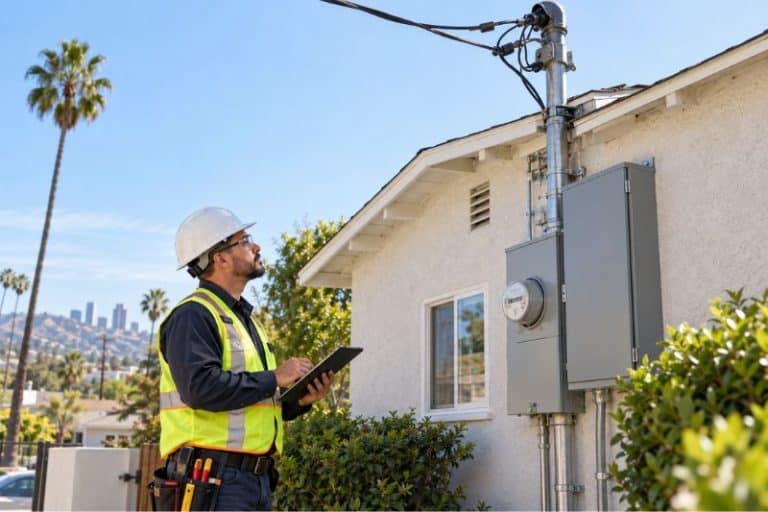
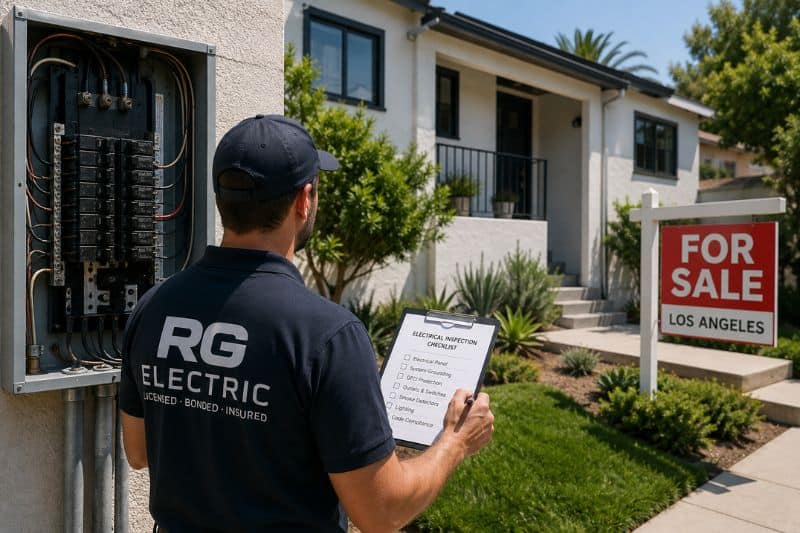
A pre-listing electrical evaluation by RG Electric is more thorough than what a general home inspector can provide because it is performed by a licensed electrician who can assess conditions that require specialized knowledge to identify. The evaluation covers the panel brand, age, and condition, the presence of double-tapped breakers or other code violations visible at the panel, the grounding and bonding system, GFCI protection in required locations, the presence and condition of aluminum branch circuit wiring if applicable, and visible wiring conditions throughout the accessible portions of the property.
The evaluation results in a written report that the seller can use in two ways. First, it informs accurate disclosure, ensuring that the Transfer Disclosure Statement reflects what is actually known about the property rather than what the seller assumes. Second, it gives the seller the information needed to decide whether to address issues before listing or to disclose them and let the buyer factor them into their offer.
For most sellers, addressing significant issues like an outdated panel, missing GFCI protection, or unpermitted work before listing produces a better outcome than disclosing and negotiating. A property that is marketed as having a recently replaced panel with documentation is a stronger listing than one with a disclosed but unresolved electrical issue, and the cost of the work is typically similar whether it happens before listing or during escrow negotiation.
Multi-Unit Properties and Investment Sales
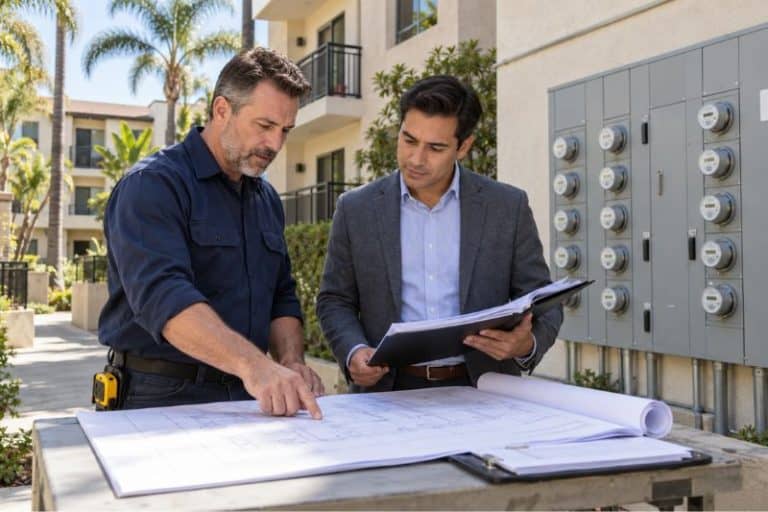
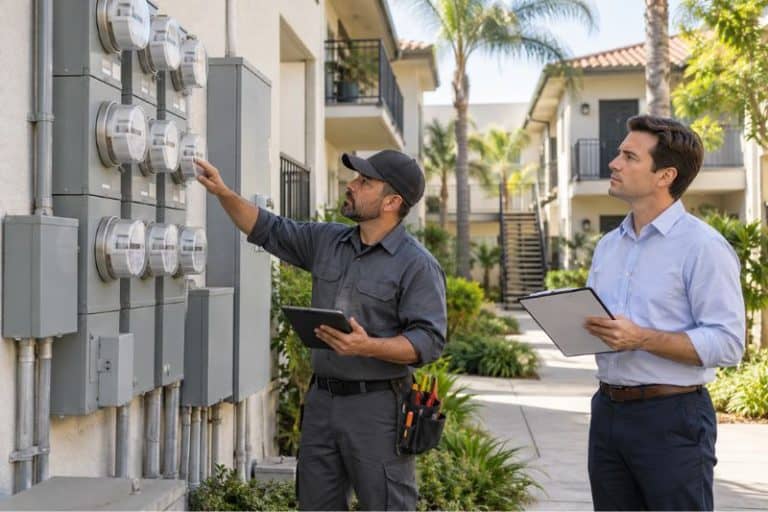
For property owners selling apartment buildings or multi-unit investment properties in Los Angeles, the electrical evaluation process carries additional weight. Commercial and multi-unit buyers, along with their lenders, typically require more extensive due diligence, including a review of permit history, electrical capacity relative to current and projected tenant loads, and code compliance across common areas and individual units.
A seller who can provide documentation of permitted panel replacements, code-compliant GFCI protection throughout the property, and a clean record of licensed electrical work is in a significantly stronger position during buyer due diligence than one who cannot. Institutional buyers and their inspectors are specifically looking for electrical infrastructure that will not require immediate capital investment after closing, and documented, professionally maintained electrical systems are a meaningful factor in how a property is valued and how smoothly the transaction proceeds.
RG Electric’s wiring services in Los Angeles include comprehensive pre-sale electrical assessments for multi-unit and commercial properties, providing the documentation that institutional buyers and their lenders typically require during due diligence.
EV Charging and Modern Buyer Expectations
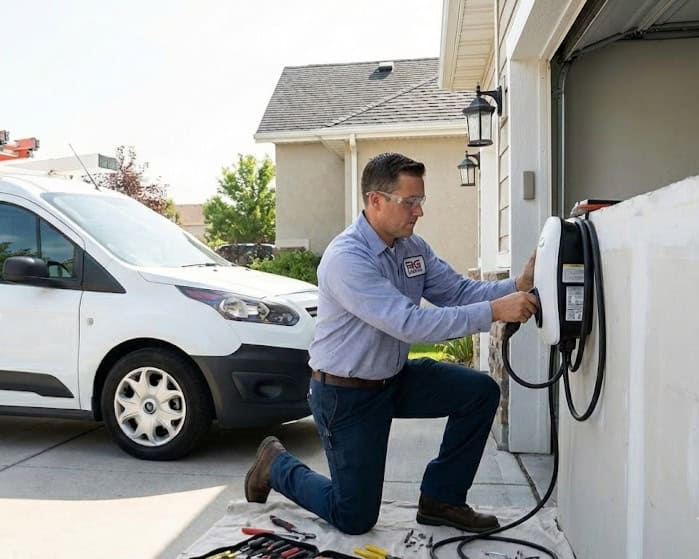
Beyond code compliance and disclosure, sellers in Los Angeles are increasingly finding that buyers ask about EV charging capability before making an offer. A property with an existing dedicated EV charging circuit, or with panel capacity confirmed to support one, is a meaningful selling point in a market where a growing share of buyers either already own an electric vehicle or expect to within the life of their ownership.
The cause is straightforward: more buyers are factoring EV charging into their evaluation of a home’s livability. The effect is that properties without confirmed panel capacity for an EV charger face a question mark buyers did not have to consider a few years ago. The consequence for sellers is that a panel upgrade undertaken for resale purposes can serve two functions at once, addressing a code or insurance concern while also adding a feature that buyers are actively asking about.
This does not mean every seller needs to install an EV charger before listing. It means that when a panel replacement is already being considered for other reasons, sizing it with future EV capacity in mind is a low-incremental-cost decision that can be highlighted in the listing rather than treated as a hidden technical detail.
What Happens When Electrical Issues Surface Mid-Escrow
When an electrical issue is discovered after an offer has already been accepted, the options available to a seller narrow considerably compared to addressing the same issue before listing. The buyer has already invested time and inspection costs into the transaction, and the discovery typically triggers one of a small number of outcomes.
The buyer may request a credit at closing equal to the estimated cost of the repair, which is frequently estimated conservatively and on the high side since the seller has little ability to shop for competitive pricing under the transaction’s time constraints. The buyer may require that the work be completed by a licensed contractor before closing, which compresses a normal multi-week electrical project into the remaining days of an escrow period and depends entirely on contractor and inspection availability. In some cases, particularly where the issue affects insurability and the buyer’s lender requires a binder before funding, the discovery can delay the closing date entirely, creating cascading complications for any subsequent purchase the seller is depending on.
None of these outcomes serve the seller’s interests as well as identifying and addressing the same issue before the property was ever shown. The conclusion for sellers is consistent across every scenario described in this post: the cost of electrical work does not change based on when it happens in the transaction timeline, but the seller’s control over price, scheduling, and negotiating position changes substantially.
Timing the Evaluation Correctly
The right time for a pre-listing electrical evaluation is before the property goes on the market, not after an offer has been accepted. An evaluation conducted early gives the seller time to address findings on a normal timeline, obtain competitive quotes if significant work is needed, and complete permitted work without the pressure of a closing deadline.
An evaluation conducted reactively, after a buyer’s inspection has already flagged an issue, puts the seller in a reactive position. The work still needs to be done, but now it needs to be done quickly, often with the buyer and their agent monitoring the timeline closely, and frequently with the seller having less leverage to negotiate pricing or scope with the contractor performing the work.
For sellers planning to list a property in Los Angeles, the practical recommendation is to schedule an electrical evaluation alongside other pre-listing preparation, such as general home inspection and any cosmetic improvements being made. Identifying electrical issues at the same stage as other preparation work allows the seller to address everything on a single coordinated timeline rather than discovering problems in sequence as the transaction progresses.
Whether you are preparing to list a single-family home in Sherman Oaks, an income property in Inglewood, or a multi-unit building in Koreatown, the same principle applies. Know what your electrical system actually contains before a buyer’s inspector tells you. That knowledge is what allows you to control the transaction rather than respond to it.
For immediate assistance or to schedule a professional evaluation, call RG Electric directly at (323) 521-5131.