
 Call (323) 5215131
Where GFCI Outlets Are Required in Los Angeles Homes and Apartment Buildings
Updated July 2026
GFCI outlets are one of the most commonly misunderstood requirements in residential and multi-unit electrical work. Property managers discover missing GFCI protection during insurance inspections. Homeowners find that a GFCI that won’t reset is pointing to something more than a failed device. Tenants report outdoor outlets that stopped working after rain. In most of these cases, the underlying issue is the same: a location that requires GFCI protection either never had it, or had it installed incorrectly by someone who didn’t understand the requirement. RG Electric is a licensed C10 electrical contractor, License #910807, serving homes, apartment buildings, and commercial properties across Los Angeles County. This post covers where GFCI protection is required under California code, what it means when a GFCI trips or won’t reset, and what the correct response looks like in each situation.
What a GFCI outlet actually does
A ground fault circuit interrupter detects the difference between the current flowing out on the hot conductor and the current returning on the neutral conductor. Under normal conditions those two values are equal. When current is leaking out of the circuit through an unintended path, such as through a person who has contacted a live conductor, the difference becomes measurable. A GFCI detects that difference in milliseconds and interrupts the circuit before the current can cause a fatal shock.
That is what separates a GFCI from a standard outlet. A standard outlet provides no protection against ground faults. It will continue supplying power regardless of whether the current is flowing through the circuit correctly or through something it should not be flowing through. A GFCI outlet adds a sensor and a switch that standard outlets do not have, and that combination is what makes it effective in locations where the risk of ground faults is elevated.
The locations where ground fault risk is elevated are, broadly, locations near water. Water is a conductor. When a person is in contact with water and also contacts a live electrical conductor, the water creates a path for current to flow through the person rather than through the circuit. GFCI protection in those locations interrupts that current before it can cause serious injury.
Where GFCI protection is required under California code
The California Electrical Code, which adopts and amends the National Electrical Code, specifies the locations where GFCI protection is required. For residential properties, those locations include all bathroom outlets, all kitchen countertop outlets, all outlets in garages, all outdoor outlets, all outlets in crawl spaces, all outlets in unfinished basements, and all outlets within six feet of a sink in any room. Laundry areas, pool and spa equipment locations, and boathouses also require GFCI protection.
In Los Angeles homes, the locations most frequently found without required GFCI protection are outdoor outlets, garage outlets, and kitchen outlets that were installed before GFCI requirements were updated to their current scope. Older homes in Sherman Oaks, Encino, and the Westside frequently have standard outlets in these locations that were compliant when the home was built but do not meet current code.
For multi-unit apartment buildings, the requirement extends to all of the same locations within each unit, plus common area locations near water such as laundry rooms, pool equipment areas, and any outdoor common area outlets. Missing GFCI protection in multi-unit buildings is one of the most common findings during insurance underwriting inspections, and it is one of the conditions that carriers are increasingly requiring property managers to correct as a condition of coverage renewal.
The code requirements for GFCI protection have expanded over successive code cycles. An outlet that was installed legally under the code in effect at the time may not meet current requirements. When work is being done that triggers a permit and inspection, the inspector applies the current code standard, and locations that were grandfathered under older requirements may need to be brought up to the current standard depending on the scope of the permitted work.
What it means when a GFCI trips
A GFCI that trips is working correctly. It detected a ground fault condition on the circuit and interrupted the power. The question is what caused the fault, because the answer determines the correct response.
A GFCI that trips when a specific appliance is plugged in is telling you that appliance has a ground fault. The device itself is the problem, not the outlet. Unplugging the device and resetting the GFCI should restore power. If the GFCI trips again without any device plugged in, the fault is in the wiring or in another device on the same circuit, not in the appliance you just unplugged.
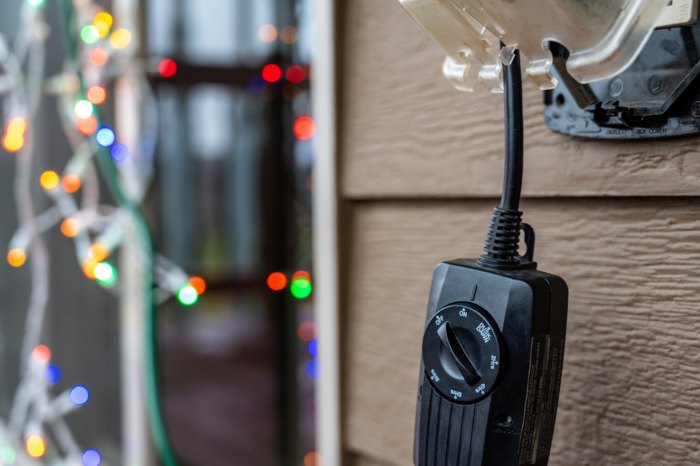
A GFCI that trips after rain is telling you that moisture is entering an outdoor circuit. This is a common finding in Los Angeles homes and apartment buildings where outdoor outlets were installed without weatherproof covers or where the weatherproofing has deteriorated over time. The GFCI is doing its job, but the moisture intrusion needs to be corrected, not just tolerated as a seasonal inconvenience.
A GFCI that trips immediately on reset has an active fault on the circuit that has not been cleared. Repeatedly resetting it will not resolve the underlying condition, and continuing to use a circuit with an active ground fault is unsafe. A licensed electrician needs to trace the circuit, identify the fault location, and correct it before the GFCI is reset and the circuit is returned to service.
A GFCI that trips randomly and without an obvious cause may have a nuisance tripping problem caused by long circuit runs, certain types of motors, or electronic devices that create enough electrical noise to trigger the GFCI’s sensor. This is worth investigating because not all random trips are nuisance trips, and some are detecting intermittent faults that need to be found before they become consistent failures or safety hazards.
Why a GFCI that won’t reset needs a diagnostic, not a replacement
A GFCI that trips and will not reset is one of the most common service calls we receive. The instinctive response is to replace the device, and sometimes the device has failed and replacement is the correct fix. More often, the GFCI is working correctly and the problem is an active fault on the circuit that the device is detecting and refusing to allow back into service.
Replacing a GFCI that is responding to an active fault with a new GFCI will produce one of two outcomes: the new GFCI will also refuse to reset because the fault is still present, or the new GFCI will reset because it has slightly different sensitivity characteristics. The second outcome is worse than the first, because it restores power to a circuit with an unresolved fault condition and creates the false impression that the problem has been fixed.
The correct approach is to identify what the GFCI is detecting before any device is replaced. That means checking all outlets and devices on the circuit, looking for moisture intrusion in outdoor or wet-location circuits, verifying that the wiring connections are correct and intact, and testing whether the fault condition clears when specific devices are removed from the circuit. Once the fault is located and corrected, the GFCI can be reset with confidence that it will hold.
Common GFCI installation errors in Los Angeles buildings
A significant portion of the GFCI problems we correct in Los Angeles were caused by incorrect installation rather than device failure. The most common errors fall into a few consistent patterns.
Line and load terminals reversed is the most frequent wiring error in GFCI installations. A GFCI outlet has two sets of terminals: the line terminals connect to the circuit supplying power, and the load terminals connect to any downstream outlets the GFCI is intended to protect. If the wiring is connected to the load terminals instead of the line terminals, the GFCI will not function correctly. It may appear to work, but the ground fault protection will not operate as intended.
Standard outlets installed in GFCI-required locations are a common finding in older Los Angeles homes and buildings, particularly in kitchens, garages, and outdoor locations. These were often installed by handymen or previous owners who were not familiar with the code requirement, or during a period when the requirement did not yet apply. They function as outlets but provide no ground fault protection.
GFCI outlets installed without protecting downstream outlets are a subtler problem. A single GFCI outlet can protect multiple downstream outlets on the same circuit when the downstream outlets are connected to the load terminals. When they are connected incorrectly, the downstream outlets appear to be protected but are not. Verifying that downstream protection is functioning requires testing each outlet, not just the GFCI device itself.
Our electrical outlets and switches services in Los Angeles include GFCI installation, replacement, and circuit testing to verify that protection is functioning correctly at every outlet on the circuit.
GFCI requirements in multi-unit buildings and what property managers should know
Property managers overseeing apartment buildings in Los Angeles are responsible for GFCI compliance in all units and common areas. This is an area where the gap between what the code requires and what actually exists in older buildings is consistently large. A building constructed in the 1970s in Van Nuys, Inglewood, or Koreatown was built under code requirements that did not include many of the GFCI protections that current code mandates. Unless the building has been systematically updated, those locations still have standard outlets.
Insurance carriers conducting underwriting inspections are looking specifically at GFCI coverage in kitchens, bathrooms, laundry rooms, and outdoor locations. A building that fails this part of an inspection receives a correction requirement that must be addressed before coverage is renewed. The correction itself is not complex, and installing GFCI outlets in the required locations is straightforward work. The problem is discovering the requirement during an insurance inspection rather than addressing it proactively.
A proactive GFCI audit of a multi-unit building identifies every location where GFCI protection is required and missing, produces a documented finding list, and allows the corrections to be planned and scheduled on the property manager’s timeline rather than an insurer’s deadline. The cost of a proactive correction is consistently lower than the cost of an emergency correction required on a short timeline to avoid a coverage lapse.
Our electrical repair services in Los Angeles include GFCI audits and corrections for multi-unit properties. We document existing conditions, identify all locations requiring correction, and provide a written estimate for the corrective work before anything begins. Property managers receive documentation of completed work suitable for submission to insurance carriers.
How handyman GFCI installations create problems that look like device failures
Many GFCI service calls in Los Angeles trace back to installations that were done by unlicensed handymen or previous owners who understood that a GFCI was required but did not understand how to install it correctly. The result is a device that is physically present in the required location but is not providing the protection it appears to provide.
The most telling sign of an incorrect GFCI installation is a device that resets and holds but does not respond correctly to the test button, or a device that trips immediately after reset regardless of what is plugged into it. Both of these conditions indicate a wiring problem, not a device problem, and replacing the GFCI without correcting the wiring will reproduce the same symptoms in the new device.
In older apartment buildings in the San Fernando Valley, Torrance, and other parts of Los Angeles where multiple rounds of tenant improvement work have been done over the decades, it is common to find GFCI devices that have been replaced several times without anyone correcting the underlying wiring condition. Each replacement resolved the symptom temporarily while leaving the cause in place. A proper diagnostic traces the circuit from the device back to its source and identifies the wiring condition before any device is replaced.
Scheduling and what to expect
GFCI replacement and installation work that involves like-for-like device replacement in existing locations typically does not require a permit. Work that involves adding GFCI protection to locations that currently have standard outlets, or that involves new circuit work to serve additional locations, may require a permit depending on the scope. We review the scope of each job and handle permit paperwork when it is required.
Service calls for GFCI outlets that won’t reset are scheduled with an upfront diagnostic fee that covers the technician’s time and travel. The diagnostic identifies the cause of the fault condition before any device is replaced. If the fault is in the wiring rather than the device, we document the condition and provide a written estimate for the corrective work before anything additional is done.
For multi-unit buildings where a GFCI audit is the goal, the process begins with a site visit to confirm the number of units and common areas to be assessed. We coordinate access with tenants and building staff, document all findings with photographs, and provide a written report and estimate at the conclusion of the assessment. All completed work is backed by our 12-month workmanship guarantee.
For immediate assistance or to schedule a professional evaluation, call RG Electric directly at (323) 521-5131.