
 Call (323) 5215131
What Electrical Work Does a Commercial Tenant Improvement Require in Los Angeles?
Updated September 2026
A business owner signs a lease on a retail space in Culver City and starts planning the build out, new counters, a break room, updated lighting, and a few dedicated circuits for equipment. Partway through planning, someone mentions that the electrical portion of the project will need its own permit, separate from whatever the general contractor is already handling. RG Electric, license C10 #910807, works with commercial tenants and property managers across Los Angeles on exactly this kind of build out, and the electrical scope is almost always more involved than a new tenant expects going in. Most commercial tenant improvements in Los Angeles that touch electrical wiring, panels, or circuits require a separate electrical permit from LADBS, and the requirement applies whether the space is a restaurant, a retail store, or a professional office.
The Short Answer for Tenants and Property Managers
A tenant improvement, often shortened to TI, is any modification made to a commercial space to suit a specific tenant’s needs. That covers a wide range of work, from relocating interior walls to updating restrooms to installing new electrical or plumbing systems. In Los Angeles, any tenant improvement that involves structural changes, electrical work, plumbing, or HVAC generally requires a building permit, and the electrical portion is typically pulled as its own trade permit alongside the general building permit rather than folded into one combined document.
A narrow set of cosmetic changes falls outside that requirement. Painting, new flooring over an existing subfloor, and replacing a light fixture with a similar one on the same circuit generally do not need a permit on their own. The moment a project adds new circuits, relocates outlets, upgrades a panel, or installs equipment that changes the electrical load, it crosses into permitted work, and most tenant improvements involve at least one of those changes somewhere in the scope.
Tenants sometimes assume that because a general contractor is already pulling a building permit for the overall build out, the electrical work is automatically covered under that same permit. In practice the electrical scope is usually its own trade permit, reviewed by its own set of plan checkers, even when it is submitted alongside the general building permit application. A tenant relying on a single contractor to manage the full permit picture should confirm directly that the electrical trade permit has actually been filed, not just assume it rides along with everything else.
Why the Electrical Scope Almost Always Needs Its Own Permit
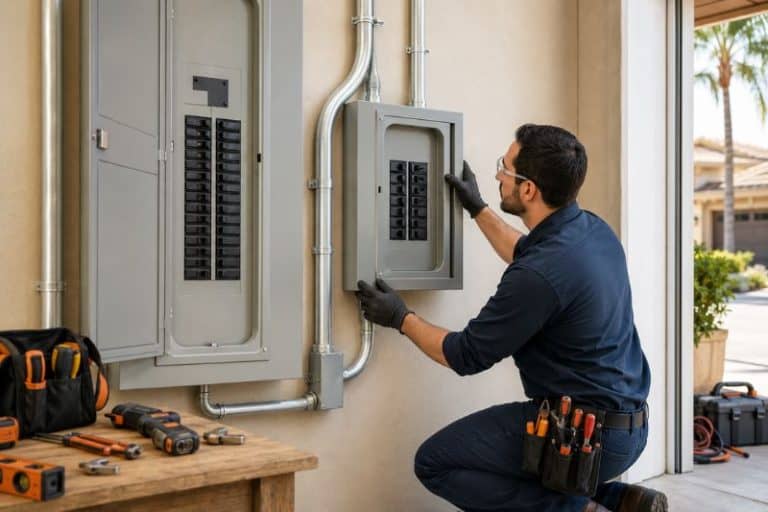
Electrical work for a tenant improvement typically means altering or adding to the wiring system of the tenant space, and that broad definition covers most of what a build out actually involves. New receptacles for equipment, additional lighting circuits, dedicated lines for kitchen equipment in a restaurant space, or a panel upgrade to support increased load all fall under permitted electrical work. LADBS reviews the proposed scope and issues the permit once the plans meet code, and for larger or more complex projects the electrical drawings may need to be prepared or stamped by a licensed electrical engineer, particularly when a new panel is going in or the existing electrical service is being modified.
California’s Title 24 energy code adds another layer specifically around lighting. Projects that add or change out light fixtures as part of a tenant improvement need to meet Title 24 documentation requirements demonstrating the lighting meets current efficiency standards. This is often the piece of a build out that catches new tenants off guard, since it is easy to think of a lighting package as a design decision rather than a code compliance item that needs its own documentation in the permit file.
Kitchen equipment circuits in restaurant tenant improvements deserve particular attention. Commercial kitchen equipment, from ranges to walk in refrigeration to ventilation hoods, often requires dedicated circuits sized specifically for that equipment rather than general purpose outlets. A restaurant tenant who finalizes an equipment order before an electrician has reviewed the space’s available capacity risks discovering, midway through the build out, that the existing panel cannot support everything on the equipment list without an upgrade, which is exactly the kind of discovery that should happen during planning rather than after equipment has already arrived on site. Equipment vendors can usually provide the electrical specifications for each piece well before delivery, and sharing that list with the electrician early is a simple step that prevents a costly surprise later in the project.
Landlord Approval Usually Comes First
Before a tenant can apply for an electrical permit on a leased commercial space, landlord approval is typically required. This is not just a formality. Building management needs to confirm that the property’s electrical capacity can actually support what the tenant is planning, and coordinating that conversation early avoids a situation where a tenant orders equipment or finalizes a lighting plan that the building’s existing service cannot support without a larger upgrade.
This step is worth building into the lease negotiation itself when possible. A tenant who confirms available electrical capacity, and gets that confirmation in writing from building management, before signing a lease is in a far better position than one who discovers a capacity shortfall after the lease is already signed and the opening date is set. Property managers benefit from this conversation too, since it gives them accurate information to share with future tenants rather than repeating the same capacity questions from scratch for every new lease.
What the Inspection Process Looks Like for a Tenant Improvement
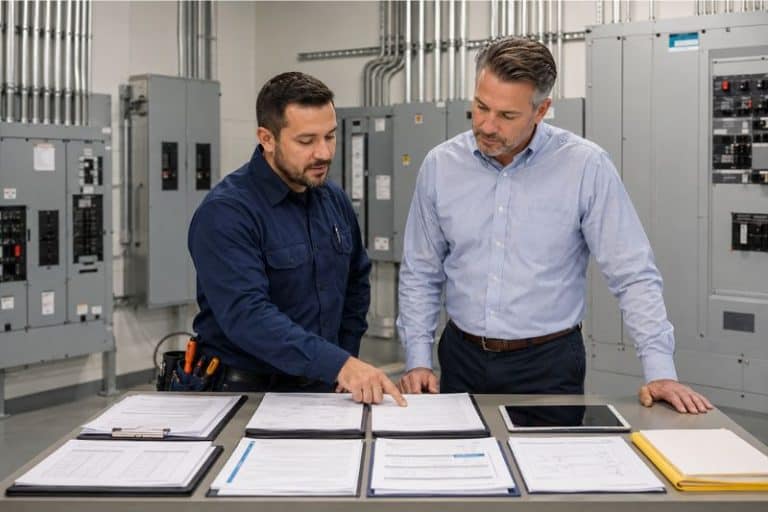
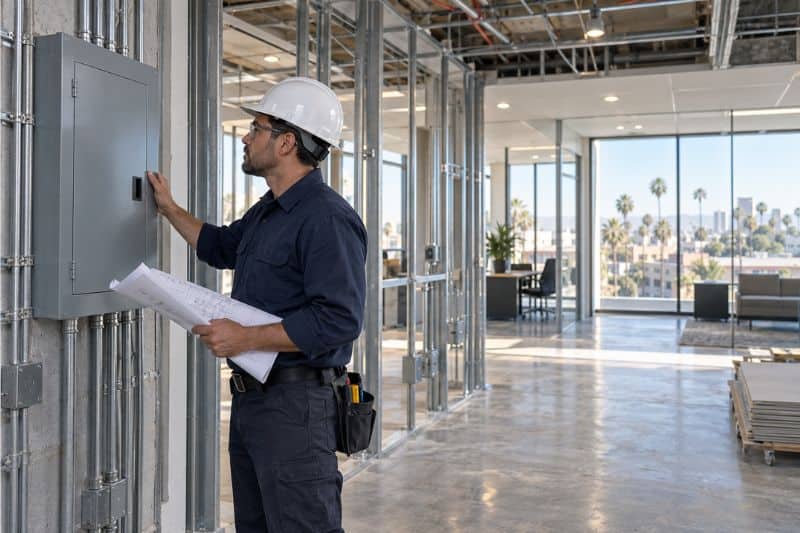
Electrical work on a tenant improvement generally goes through two inspection points. A rough inspection happens before the wiring is concealed behind walls or ceilings, which confirms the wire sizing, box fill, and circuit layout match the approved plans before anything gets covered up. A final inspection happens once the space is complete, confirming the finished installation, including any required Title 24 lighting documentation, meets code before the space can open for business.
Missing the rough inspection window is one of the more expensive mistakes on a tenant improvement timeline, since it usually means opening up finished walls or ceilings to let an inspector see wiring that has already been covered. A general contractor managing the overall build out should coordinate the rough electrical inspection with the electrician directly, rather than assuming it will happen automatically once drywall goes up.
What Happens When Tenant Improvement Electrical Work Skips the Permit
Skipping the electrical permit on a tenant improvement rarely stops a business from opening its doors on schedule, at least not immediately. The problem tends to appear later, during a Certificate of Occupancy inspection, a health department review for a restaurant space, or an insurance inspection following a claim. Unpermitted electrical work discovered at that point can delay an opening that was already on a tight timeline, and correcting concealed wiring after the space is finished and furnished is far more disruptive and costly than getting the permit in the first place.
For property managers overseeing multiple tenant spaces in the same building, unpermitted electrical work in one unit can also complicate documentation for the building as a whole. An insurance carrier or a city inspector reviewing the property is not necessarily going to isolate their review to just the unit in question, particularly if the electrical service for that unit ties back into shared building infrastructure.
Selling or refinancing a commercial property later adds one more reason to keep tenant improvement permits current. Buyers and lenders reviewing a commercial property increasingly request permit history for major tenant spaces as part of due diligence, and gaps in that history raise questions that can slow down or complicate a transaction that has nothing to do with the original tenant improvement. Keeping accurate records at the time the work happens is far simpler than trying to reconstruct that history years later during a sale.
What RG Electric Confirms Before a Tenant Improvement Estimate
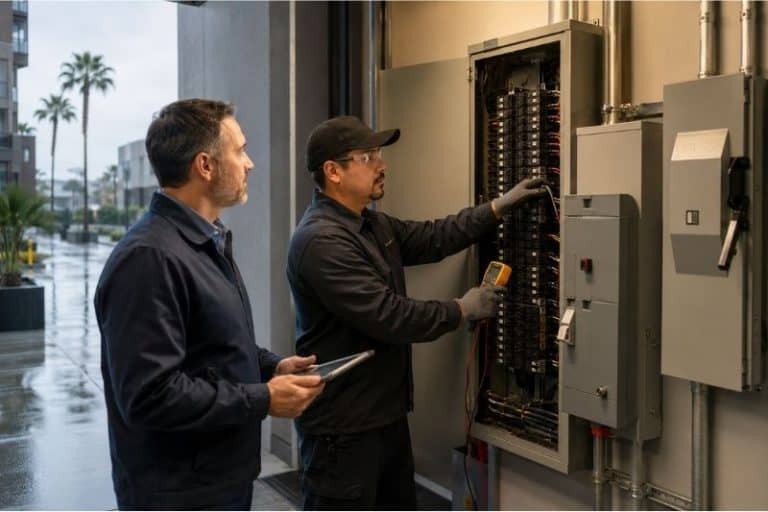
Commercial clients almost always ask RG Electric for permits and a certificate of insurance before work begins, and a tenant improvement is handled the same way. A technician reviews the proposed electrical scope, confirms whether the existing panel and service can support the added load or whether an upgrade is needed first, and coordinates with the landlord’s building management where required before any permit gets filed. That review happens during the estimate, not after equipment has already been ordered based on assumptions about capacity.
RG Electric pulls the electrical permit, schedules the rough inspection before walls close up, and handles the final inspection once the space is complete, including whatever Title 24 lighting documentation the scope requires. The company describes its approach to this part of the process simply as following code to the teeth, which in practice means a required inspection step does not get skipped to keep a tight opening date on schedule. Every completed tenant improvement is backed by RG Electric’s twelve month workmanship guarantee, and direct communication runs through one point of contact rather than a call center, which matters on a project with a general contractor, a landlord, and a tenant all needing the same information at once.
Local Considerations Across Los Angeles Commercial Corridors
Tenant improvements look different depending on where the property sits. Restaurant and retail build outs in Downtown LA and Koreatown frequently involve older buildings with electrical service that was never sized for modern kitchen or point of sale equipment, which makes an early capacity check essential before finalizing a lighting or equipment plan. Office and professional space build outs in Beverly Hills, Santa Monica, and Culver City tend to focus more on lighting design and dedicated circuits for technology, where the Title 24 documentation requirement is the detail most likely to be overlooked. Retail and light industrial tenant spaces in Torrance, Inglewood, and Gardena often need a mix of general power, dedicated equipment circuits, and exterior signage or security lighting circuits, each of which may fall under a different part of the permit review.
Properties managed across the San Fernando Valley, including Sherman Oaks, Encino, and Van Nuys, add one more layer worth planning for early. Common building infrastructure, including the main service and any shared panels, belongs to the property owner rather than the tenant, so a tenant improvement that needs more capacity than the space currently has requires coordination with building management well before the electrical permit can move forward.
Multi-tenant shopping centers and strip malls across the South Bay and Gateway Cities, from Torrance to Lakewood to Cerritos, often have electrical service split across several tenant panels fed from a shared main service for the property. A new tenant moving into one of these spaces should confirm with property management, before finalizing any electrical plans, exactly how much capacity is allocated to that specific unit, since the answer is rarely as simple as checking the panel inside the space alone.
Why a Licensed Electrician Should Be Involved From the Planning Stage
Tenant improvement timelines are usually driven by a lease commencement date or an opening deadline, and that pressure sometimes pushes tenants toward whichever contractor promises the fastest start, permits included or not. An unlicensed contractor who skips the electrical permit can get work done quickly, but the tenant is the one left explaining unpermitted wiring during a Certificate of Occupancy inspection, not the contractor who has already moved on to the next job. Bringing a licensed electrician into the planning conversation before fixtures, equipment, and lighting are finalized is the step that actually protects the opening date, since it catches capacity and permit issues while they are still cheap to fix.
Licensing, bonding, and insurance are not optional details for this kind of work either. A commercial general contractor coordinating multiple trades on a tight schedule needs an electrician who can produce a certificate of insurance on request and who is familiar enough with LADBS’s plan check and inspection process to keep the electrical trade from becoming the bottleneck on the overall project timeline. Tenants and property managers should treat those credentials as a baseline requirement for any electrician being considered for a build out, not as a nice to have.
Always consult a licensed electrician like RG Electric before working on electrical systems.
Planning the Electrical Scope Before the Build Out Starts
A tenant improvement moves faster when the electrical scope is treated as its own planned trade from day one, not as a detail to work out once construction is already underway. RG Electric provides commercial electrical services for tenant improvements across Los Angeles, handling everything from the initial capacity assessment through the permit, the rough inspection, and the final sign off, and frequently coordinates outlet and circuit work through the same team that handles outlet and switch installation for commercial spaces.
Business owners who bring in a licensed electrician before finalizing their build out plans rarely face a delayed opening because of the electrical scope. The ones who treat it as an afterthought are the ones most likely to find themselves opening up a finished wall two weeks before a lease commencement date, waiting on a corrected inspection instead of welcoming their first customers.
For immediate assistance or to schedule a professional evaluation, call RG Electric directly at (323) 521-5131.