
 Call (323) 5215131
Electrical Outlets & Switches Repair in Los Angeles
An outlet that feels warm, a switch that buzzes, a plug that won’t stay seated, or a GFCI that trips and won’t reset — these aren’t minor annoyances. They’re the electrical system signaling that something behind the wall needs attention. RG Electric is a licensed C10 electrical contractor, License #910807, serving homes, apartment buildings, and commercial properties across Los Angeles. We diagnose the actual cause of outlet and switch problems, correct the wiring conditions behind them, and install devices that meet current code requirements. When what we find points to a deeper issue in the circuit or panel, we explain it clearly and handle permits and inspections as needed.
What outlet and switch problems are actually telling you
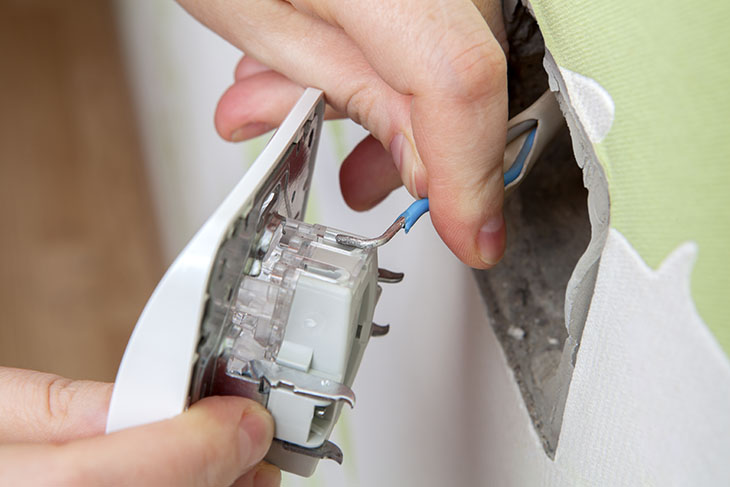
Outlets and switches are the points where people interact with the electrical system every day. When they fail, the device itself is rarely the whole story. A warm faceplate means heat is building up somewhere in the connection. A buzzing switch means arcing at a loose or failing contact. A GFCI that won’t reset means it detected a fault condition on the circuit and is doing its job, but the fault needs to be found and corrected before the outlet is useful again. A string of dead outlets usually means a loose neutral upstream, not individual failures at each device.
The most common causes of outlet and switch problems in Los Angeles homes and apartment buildings are back-stabbed connections that have loosened over time, worn contacts that no longer make solid contact with plug prongs, wiring that was incorrectly installed by a previous contractor or handyman, GFCI devices that are responding to an actual fault on the circuit, and outlets that were never correctly sized or protected for their location. Each of these has a different correct response, and replacing the device without finding the cause will produce the same problem again.
Signs that warrant same-day attention include a burning smell near any outlet or switch, visible discoloration or scorch marks on a faceplate, an outlet or switch that feels hot to the touch, and any sparking at a device. These are not situations to monitor. They require inspection before the circuit is used again.
GFCI protection, where it’s required and what it means when it trips
Ground-fault circuit interrupter protection is required by California electrical code in any location where an outlet is near water or moisture. That includes all kitchen countertop outlets, all bathroom outlets, all outdoor outlets, garage outlets, laundry areas, and any outlet within six feet of a sink. In Los Angeles homes and apartment buildings, missing GFCI protection is one of the most common code violations encountered during inspections and insurance reviews.
A GFCI that trips is doing exactly what it’s designed to do. It detected current flowing outside the intended path and interrupted the circuit before that current could reach a person. The correct response is not to reset it repeatedly and hope it holds. It’s to find out what caused it to trip. A GFCI that trips immediately on reset has an active fault on the circuit that needs to be located and corrected. A GFCI that trips occasionally under specific conditions, such as when a particular appliance is plugged in or when it rains, is giving you a reliable diagnostic signal about where the problem is.
Many Los Angeles homeowners have outdoor outlets that were installed without GFCI protection, often by a handyman or during a renovation that wasn’t permitted. Those outlets work until a moisture event or a connected device creates a ground fault condition, and then they fail in a way that can cause injury. Outdoor outlet upgrades to GFCI-protected devices are a straightforward correction that brings the installation into compliance and eliminates the hazard.
Tamper-resistant outlets and what they protect against
Since 2008, California electrical code has required tamper-resistant receptacles in all new residential installations. These devices have internal shutters that prevent foreign objects from being inserted into a single slot. The shutters open only when equal pressure is applied to both slots simultaneously, which is what a plug does. A finger, a key, or anything else inserted into a single slot meets resistance from the shutter rather than contact with live parts.
Homes built or renovated before 2008 often have standard receptacles that don’t provide this protection. For families with young children, this is a real hazard, not a theoretical one. When we replace outlets in older homes, we install tamper-resistant devices as standard, because the cost difference is minimal and the protection is meaningful. For rental properties, tamper-resistant outlets also reduce liability exposure in units occupied by families.
What handyman electrical work leaves behind
A significant portion of the outlet and switch problems we correct in Los Angeles were created by unlicensed handymen or unqualified contractors. The errors follow consistent patterns: outlets installed in wet locations without GFCI protection, backstabbed connections that loosen over time and create heat and arcing, reversed polarity that puts the hot conductor on the neutral terminal, missing ground connections on three-prong outlets, and outdoor outlets installed in non-weatherproof enclosures.
These installations often look correct from the outside. The outlet works, the faceplate is on, and nothing obvious signals a problem. The issue is what’s behind the wall, and it usually only becomes visible when the connection fails, when a GFCI trips and won’t reset, or when an insurance inspection or home sale brings a licensed electrician in to review the work.
When we diagnose an outlet or switch problem and find evidence of prior unlicensed work, we document what we found, explain what the correct installation requires, and provide a clear estimate for the correction. We don’t charge to fix the same problem twice. The repair is done correctly the first time, and it’s backed by our 12-month workmanship guarantee.
Our repair and replacement process
Every outlet and switch service call begins with a conversation about what the customer has observed, which devices are affected, whether the problem is intermittent or constant, and whether anything changed recently. That information shapes the diagnostic before anything is opened.
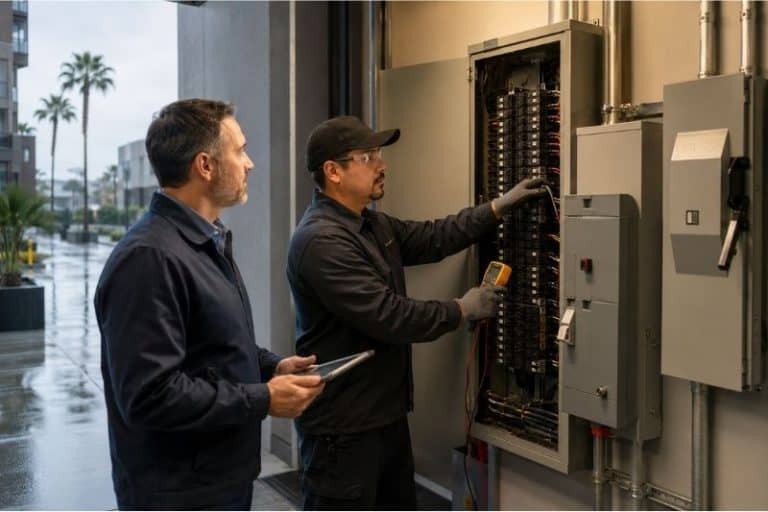
At the panel, we verify breaker size, check for heat at the bus, and confirm proper grounding and bonding. At the device, we inspect terminations, evaluate box fill, test for shared neutrals or reversed polarity, and assess whether the device type is correct for the location and circuit. We replace failed devices with properly rated parts, make screw-terminal connections to manufacturer torque specifications, and pigtail where required rather than using back-stab connections. If the issue connects to deteriorated wiring, moisture intrusion, or a circuit that was never correctly installed, we document the conditions and provide a written estimate for the corrective work before anything additional is done.
Like-for-like device replacements in the same location typically don’t require a permit. Work that goes beyond a straight swap, including adding new outlet locations, extending circuits, converting circuit ratings, adding GFCI or AFCI breakers at the panel, or running new wiring, requires a permit and inspection. We review the scope of each job and handle permit paperwork and inspection scheduling when it’s required. For apartment buildings and commercial properties, we provide photos and documentation for the building’s maintenance records and insurance files.
Outlets and switches in apartment buildings and rental properties
Outlet and switch problems in multi-unit buildings carry documentation requirements and liability considerations that don’t apply to single-family homes. A tenant complaint about an outlet that sparks or a switch that buzzes is a liability event that should be addressed by a licensed electrician, documented with photos, and corrected to current code standards. A handyman repair that leaves the underlying wiring condition unchanged doesn’t close the liability, and it creates a record of having known about the problem without correcting it properly.
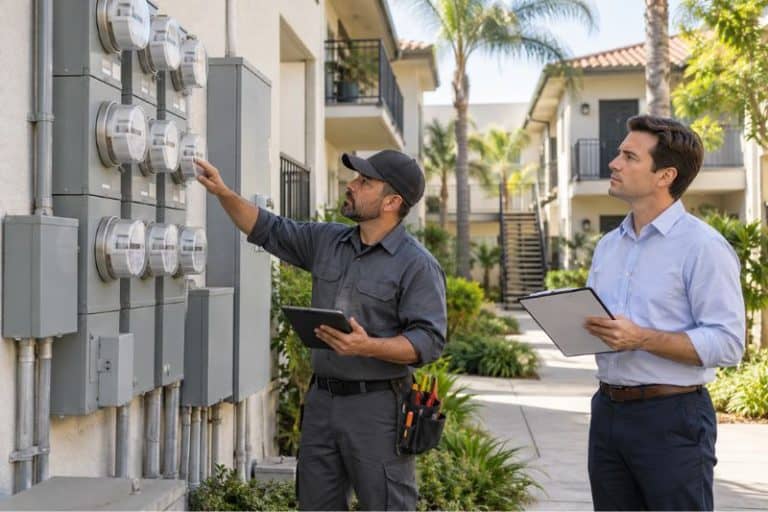
We work with property managers throughout Los Angeles on outlet and switch corrections in occupied buildings. We schedule around tenant availability, coordinate access with building staff, and provide photos and written documentation of the work performed. When what we find in a unit points to building-level wiring conditions that affect multiple units or common areas, we communicate that clearly and provide a scope and estimate for the broader correction through our electrical repair services in Los Angeles.
Scheduling and what to expect
Outlet and switch service calls are scheduled with an upfront diagnostic fee covering the technician’s time and travel, explained before the appointment is confirmed. If the diagnostic identifies repair work, we provide a written estimate before anything begins. Free estimates are available for new work such as circuit additions, dedicated outlet installations, or panel-level GFCI and AFCI upgrades.
When you contact us, sharing photos of the affected devices, the panel with the door open, and any visible damage helps us arrive prepared. Pricing is transparent, work is explained before it begins, and our 12-month workmanship guarantee covers what we’ve done. If a related issue surfaces after a repair, we come back without charging a second service call.
For homes with older wiring, aluminum branch circuits, or unpermitted outlet installations, our wiring services in Los Angeles cover the assessment and correction of underlying conditions that device replacement alone won’t resolve.
For immediate assistance or to schedule a professional evaluation, call RG Electric directly at (323) 521-5131.
Frequently asked questions
Electrical work is hazardous. Consult a licensed electrician like RG Electric for inspections, permits, and code-compliant installations.