
 Call (323) 5215131
Why Winter Is the Best Time for an Electrical Panel Upgrade in Los Angeles Homes
Winter in Los Angeles may be mild compared to other parts of the country, but the way homeowners use electricity changes significantly from December through February. Days are shorter, evenings arrive earlier, and families spend more time indoors using appliances, entertainment systems, and home comfort equipment. These seasonal habits create a noticeable increase in electrical demand, which often exposes weaknesses in outdated panels or older wiring systems.
How longer nights and appliances strain outdated panels
As daylight fades earlier in the winter months, homeowners rely heavily on indoor and outdoor lighting. Kitchen lighting, living room fixtures, bedroom lamps, porch lights, and landscape illumination remain on for longer periods, pulling steady power from circuits that may already be close to their capacity. If the home still operates on an older electrical panel, this added runtime can push breakers toward their limits, especially if the panel is undersized or manufactured by outdated brands like Zinsco or Federal Pacific.
Additionally, winter is a time when many Los Angeles residents use small heating appliances, portable space heaters, and holiday lighting. These devices draw high wattage, and when multiple loads overlap on the same circuit, the strain becomes noticeable. Even in a city where heating demands are generally lower, a single high-wattage appliance can expose weaknesses in a system that hasn’t been updated in decades.
Winter breaker trips, flickering lights, and heating device overloads
For many homeowners, winter is the season when electrical symptoms become impossible to ignore. Breakers that never tripped in the summer may begin shutting off frequently, particularly during evening hours when demand is highest. These breaker trips are often the first sign of an overloaded panel or a circuit that was never designed to handle the combined wattage of today’s appliances.
Flickering or dimming lights are also common indicators of winter stress. When a space heater or microwave causes lights in another room to flicker, it often means the home’s electrical panel is distributing load unevenly or the breakers are nearing their capacity. Over time, this imbalance can wear down breakers, heat up bus bars, and increase the risk of mid-winter outages.
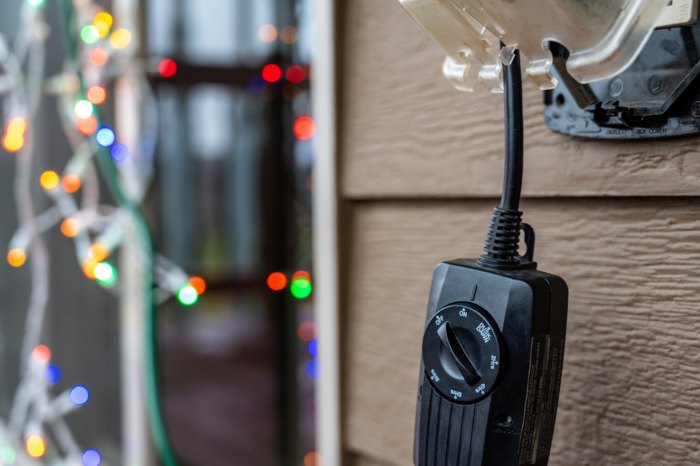
Holiday decorations add to the load as well. While LED lights reduce strain, many homeowners still use older or higher-wattage seasonal lighting, which can overload circuits already supporting televisions, heating units, and kitchen appliances.
Why December–February exposes weak electrical infrastructure
Winter represents a unique stress test for Los Angeles homes because electrical usage becomes more concentrated and consistent. During summer, air conditioning is the primary driver of high electrical demand, but it typically runs on a dedicated circuit. Winter demand is more unpredictable, affecting general-use circuits, kitchen outlets, lighting circuits, and shared breaker pathways that tend to operate at their upper limit in older homes.
Homes built before the 1980s often have panels that were never intended for modern household usage. Additional appliances, EV chargers, remodeled kitchens, and home offices all pull energy from circuits originally designed for far simpler electrical needs. Winter simply makes the mismatch more noticeable.
For many homeowners, this is the season when they begin needing emergency electrical repairs in Los Angeles, especially when a panel overheats or a breaker fails entirely. These services, found at https://www.rgelectric.net/emergency-electrical-repairs-in-los-angeles/, see increased requests during winter because outdated panels reach their limits under seasonal stress.
Recognizing how winter impacts electrical usage helps homeowners understand why panel performance issues surface more frequently during this time of year—and why winter is often the best season to consider a panel upgrade.
The most common winter electrical problems in LA homes
Winter tends to reveal electrical issues that stay hidden during the rest of the year. Even in Los Angeles, where temperatures are typically mild, seasonal habits place new stress on older wiring, outdated panels, and overloaded circuits. Many homeowners first notice electrical problems between December and February, simply because they are using more devices indoors and relying heavily on lighting during longer evenings.
Aging panels including Zinsco, FPE, Pushmatic, and Challenger
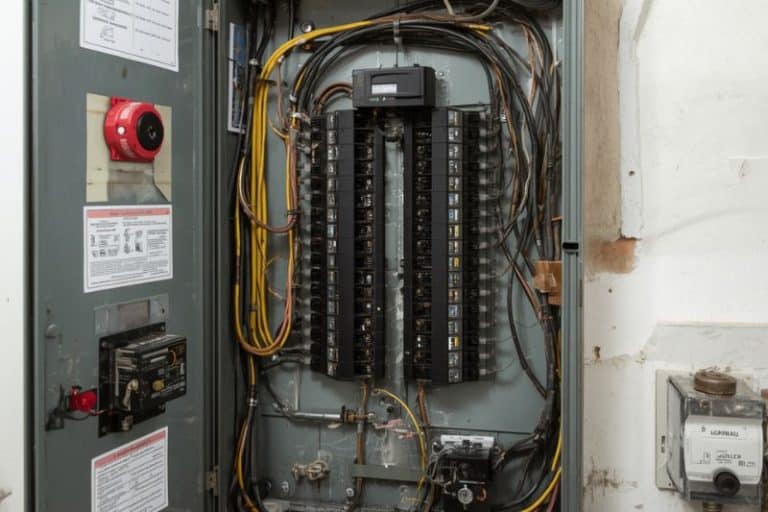
A significant number of homes in Los Angeles still operate with panels installed decades ago. Panels from Zinsco, Federal Pacific Electric (FPE), Pushmatic, and Challenger are especially problematic during winter because they struggle with high or sustained electrical loads. These panels were designed for a much lower household demand and often show signs of wear such as overheating, corroded bus bars, or breakers that fail to trip when they should.
When homeowners plug in space heaters, operate multiple kitchen appliances, or run home entertainment systems during the evening, these older panels may not distribute load safely. Winter becomes the season when homeowners begin noticing symptoms such as buzzing at the panel, warm breakers, or recurring outages.
When these signs appear, homeowners often turn to electrical panel services in Los Angeles for evaluation and replacement options. That service can be found at:
https://www.rgelectric.net/electrical-panel-services-in-los-angeles/
Heat-damaged breakers and overloaded circuits
Even modern panels can experience breaker wear if circuits consistently run near their limits. Winter heating devices, though less common in Los Angeles than colder regions, pull significant wattage. When these devices run on general-use circuits alongside lighting, TVs, computers, or kitchen equipment, the combined load can cause breakers to heat up internally.
Over time, this repeated stress weakens the breaker. A weak breaker may trip prematurely or, in some cases, not trip at all—a condition that requires immediate attention. Homeowners often notice outlets warming, lights flickering, or a burning smell near the panel when circuits are overloaded.
Breaker-related calls increase during winter, prompting many homeowners to contact circuit breakers services in Los Angeles at:
https://www.rgelectric.net/circuit-breakers-services-in-los-angeles/
GFCI failures, old wiring, and mid-winter outage patterns
Bathrooms, kitchens, exterior outlets, and garages depend on GFCI protection to reduce the risk of electrical shock. However, older GFCI devices or improperly wired outlets can fail more frequently in winter, especially when moisture increases or heating appliances create rapid load changes.
Homes with older wiring, particularly pre-1970s installations, may experience voltage drops when multiple devices run simultaneously. This is especially noticeable in homes still using aluminum branch wiring or circuits that were never updated to meet modern electrical codes.
Outages in winter follow a recognizable pattern: they often occur in the early evening when lights, heaters, and appliances run at the same time. Homeowners who experience this pattern typically need electrical repairs services in Los Angeles, available at:
https://www.rgelectric.net/electrical-repairs-services-in-los-angeles/
Winter exposes the limitations of older systems, making it the season when homeowners begin realizing that upgrading their panel may be necessary for long-term safety and reliability.
Why winter is the ideal season for panel upgrades
Many homeowners assume that summer, when air conditioners run hardest, is the best time to consider electrical upgrades. In reality, winter often provides better conditions and fewer obstacles, especially in Los Angeles. From permitting efficiency to seasonal load patterns, several factors make December through February an ideal window for replacing outdated electrical panels.
Lower usage of major home remodel services
Winter is traditionally a slower season for home remodel projects in Los Angeles. Families travel, holiday schedules reduce construction activity, and homeowners often postpone major renovations until spring or summer. Because demand is lower, it’s typically easier to schedule electrical work during this season without competing for contractor availability.
Panel upgrades are one of the few electrical projects that don’t require major demolition. They can usually be completed within a single day, making winter a convenient time for homeowners who want to improve safety or prepare for upcoming renovations. And because outdoor temperatures are mild in Los Angeles, electricians can work around exterior service equipment comfortably.
LADBS permitting efficiency during winter months
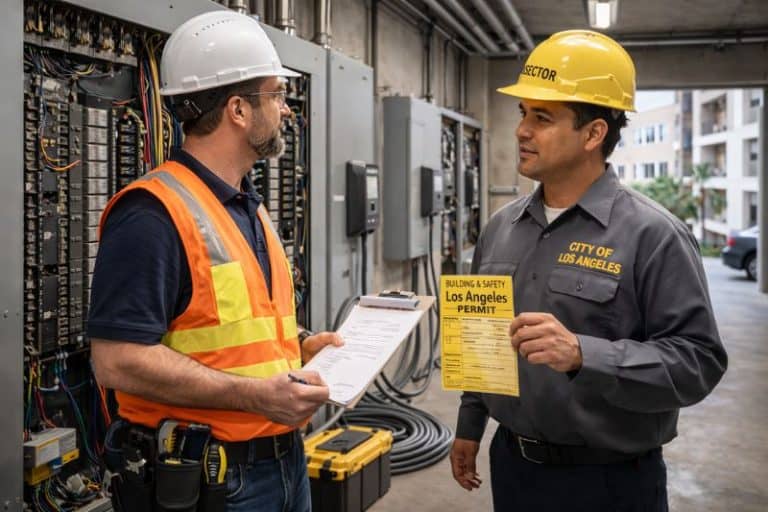
Electrical panel upgrades in Los Angeles require permits, inspections, and approval from the Los Angeles Department of Building and Safety (LADBS). While LADBS operates year-round, winter tends to be a smoother season for homeowners because permit volume is generally lower compared to spring and summer construction periods.
Lower permit activity means inspections are often scheduled sooner, paperwork moves more quickly, and homeowners can complete upgrades without long waiting periods. This efficiency is a major reason winter is the best time to modernize an outdated panel, especially for homeowners preparing for EV chargers, ADUs, or remodels in the coming year.
Avoiding summer demand surges and outage seasons
Summer is the most demanding electrical season in Southern California due to widespread air conditioner usage. Homes with older wiring or outdated panels experience more outages from June through September than at any other time of year. By upgrading their panel in winter, homeowners ensure their electrical system is ready for the heavy draw that summer brings.
Completing panel work in winter also reduces the risk of emergency situations. Homeowners who wait until summer often face long delays, higher seasonal demand, and increased pressure to address overheating panels quickly. Winter provides a calmer window to address issues before they become urgent.
By combining permit availability, mild weather, and seasonal efficiency, winter stands out as the most strategic time for homeowners to schedule electrical panel upgrades in Los Angeles.
What a modern panel upgrade includes for LA homeowners
A modern electrical panel upgrade is more than a capacity increase, it’s a full transformation of how a home distributes and manages power. In Los Angeles, where many homes still operate with mid-century electrical infrastructure, an upgrade provides a foundation for safety, efficiency, and future technology. Homeowners often think of panel upgrades as simply “installing a new box,” but the process is far more thorough, addressing every part of the home’s electrical heartbeat.
Replacing outdated panels and breakers
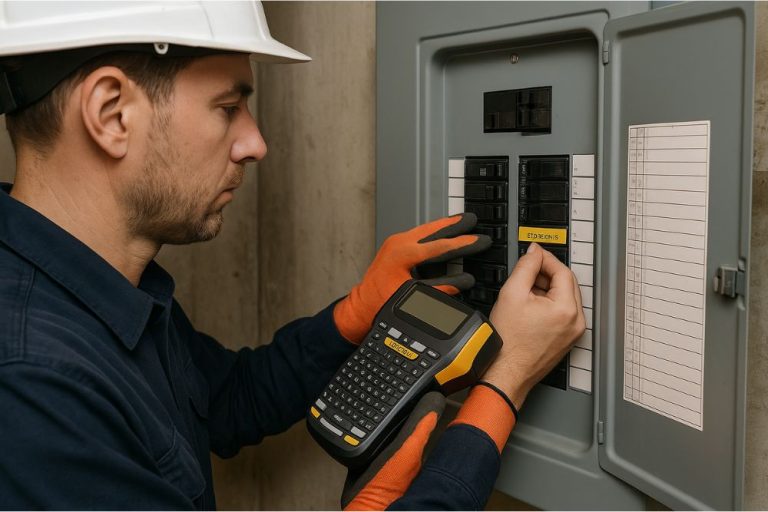
The upgrade begins with removing the existing panel, which may be undersized, obsolete, or from one of the discontinued brands that no longer meet today’s safety expectations. Modern panels provide clearer labeling, safer bus bars, and improved heat dissipation. Breakers are also replaced with new models that respond faster and more reliably to faults or overloads.
For homes built several decades ago, upgrading the main panel ensures that capacity aligns with how families live today, from large kitchen appliances to home offices, entertainment systems, and HVAC equipment. This alone prevents many of the winter outages and flickering light issues that homeowners experience due to outdated breaker performance.
Adding capacity for EV chargers, ADUs, and heat-pump appliances
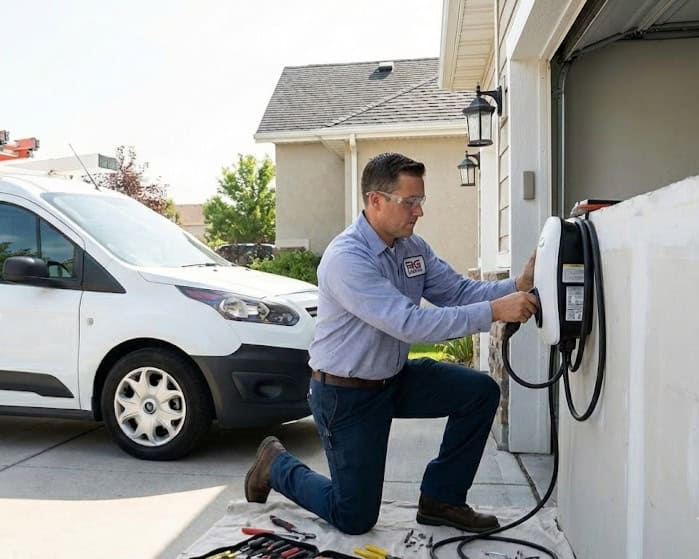
Los Angeles homeowners are increasingly adding EV chargers, converting garages to ADUs, and integrating high-efficiency heat pump systems. All of these upgrades require more electrical capacity than older panels can safely handle.
A modern panel creates room for these additions by providing:
- Additional breaker spaces
- Higher amperage service
- Space for future subpanels
- Cleaner load distribution
Even if the homeowner isn’t installing these features immediately, upgrading in winter sets the stage for spring and summer remodels. It also ensures the home won’t experience winter overloads as more devices and appliances compete for power.
Grounding, bonding, AFCI and GFCI considerations
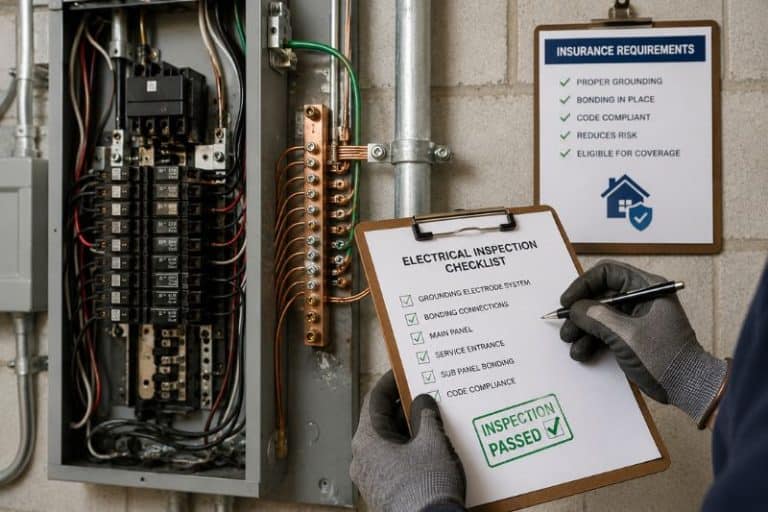
Grounding and bonding are often overlooked but critical parts of a panel upgrade. Older homes sometimes have insufficient grounding rods, outdated bonding connections, or deteriorated grounding conductors. A panel upgrade replaces or enhances these systems to modern standards, ensuring fault current has a safe pathway and reducing the risk of shock.
AFCI and GFCI technologies also play a role. Updated electrical codes require these protective devices in various parts of the home, and upgrading the panel is the ideal time to integrate them in alignment with modern safety expectations. These improvements help detect early signs of wiring faults and provide enhanced protection during the high-demand winter season.
A modern panel upgrade ensures every part of the home’s electrical system operates safely and efficiently, not just today, but for the next generation of electrical needs.
Home safety and property value benefits of upgrading in winter
For many homeowners, the decision to upgrade an electrical panel in winter isn’t just about preventing outages, it’s about making a long-term investment in safety, reliability, and property value. Winter is an ideal season for these improvements because it provides immediate benefits at the time electrical systems work the hardest, while setting up the home for better performance year-round.
Reduced winter outages and safer operation
A new panel helps stabilize power across the entire home. Breakers respond properly to overloads, circuits experience fewer voltage fluctuations, and essential equipment performs more consistently during peak evening usage. This provides homeowners with a noticeable improvement in comfort and peace of mind.
During winter, when lighting, heating devices, and kitchen appliances all run simultaneously, the upgraded system maintains steady performance. Even homes planning future additions, such as EV chargers or renewable energy, benefit from having a winter-ready electrical backbone already in place.
Better insurance acceptance for older homes
Insurance companies increasingly scrutinize the electrical systems of older homes, especially those with discontinued panels or original wiring. Upgrading to a modern panel improves the home’s overall safety profile, reducing the likelihood of coverage questions or premium increases related to outdated equipment.
Winter upgrades are particularly advantageous because they align with end-of-year policy reviews. With a modern panel installed, homeowners can demonstrate that their electrical system meets current standards and has been professionally updated.
Supporting ADUs, renewable energy, and future electrical needs
As Los Angeles continues to expand ADU construction, renewable energy adoption, and EV usage, electrical demand will only grow. Homes that upgrade their panels now are better prepared for:
- Garage conversions
- EV charger installations
- Heat pump HVAC upgrades
- High-efficiency kitchen appliances
- Home office expansions
- Solar array integration
Completing the panel upgrade in winter allows homeowners to plan their spring or summer improvements without rushing electrical work during busy seasons. It also ensures the home can fully support future electrical needs without risking overloads or compliance issues.
Winter upgrades aren’t just about fixing today’s problems, they’re about preparing the home for everything tomorrow will bring.
How to know if your Los Angeles home needs a panel upgrade
Many homeowners aren’t sure whether their electrical panel is outdated or overloaded until a problem appears. Winter is often when the signs become clear, because electrical usage becomes more concentrated and consistent. Identifying these signals early helps prevent outages and keeps the home operating safely during the colder months.
Signs including tripping breakers and flickering lights
One of the clearest indications of a failing panel is frequent breaker trips. If multiple breakers shut off within a short period, especially during evening hours when heating devices, lighting, and kitchen appliances are running together, the panel may no longer have the capacity to support the home’s electrical needs.
Flickering or dimming lights are another common warning sign. When lights change intensity as appliances turn on, it often means circuits are overloaded or the panel’s internal connections are wearing down. These issues tend to appear more frequently in winter because circuits are under heavier demand.
Some homeowners also notice buzzing sounds, warm breakers, or a burning smell near the electrical panel. These symptoms should never be ignored, regardless of the season. They indicate internal stress that may worsen under winter load.
Age indicators and discontinued panel brands
Age is a major factor in determining whether a panel should be replaced. Most panels last between 25 and 40 years, but many Los Angeles homes still operate with original panels installed decades ago.
Certain panel brands are known to have reliability issues and should be replaced regardless of visible symptoms. These include:
- Zinsco
- Federal Pacific Electric (FPE)
- Pushmatic
- Challenger
If your home uses one of these panels, an upgrade is recommended for safety and reliability, especially during winter when circuits carry more load.
High-load appliances, EV chargers, and renovation planning
Modern homes depend on far more electricity than older panels were designed to support. If your household has added or plans to add any of the following, a panel upgrade may be necessary:
- EV chargers
- Heat pump HVAC systems
- New kitchen appliances
- Home office equipment
- Garage conversions or ADUs
- Outdoor lighting expansions
Winter is the ideal time to assess these needs because electrical systems are already working harder. Upgrading now ensures the home is ready for upcoming projects without risking overloads or seasonal outages.
Recognizing these signs early helps homeowners make informed decisions about their electrical infrastructure, especially during the months when the system is under the most strain.
Scheduling a winter panel upgrade with RG Electric
Upgrading an electrical panel is one of the most effective ways to improve home safety, reduce winter outages, and prepare for modern electrical needs. For Los Angeles homeowners, winter provides an opportunity to complete this work efficiently and with minimal disruption. Whether your panel is outdated, overloaded, or simply unable to support new appliances, a winter upgrade ensures the home is ready for the demands of the coming year.
What homeowners should prepare
Before scheduling a panel upgrade, homeowners can gather a few important details to help streamline the process:
- The age of the home and any known electrical history
- Areas where breakers trip frequently or lights flicker
- Appliances or systems that cause signs of strain
- Any plans for EV chargers, renewable energy panels, ADUs, or renovations
Providing this information helps the electrician understand the home’s unique electrical load and ensure the upgraded panel is sized appropriately.
On the day of the upgrade, homeowners should ensure that the electrical panel is accessible and that outdoor meter areas are clear. Most upgrades can be completed within one day, though LADBS inspections may follow shortly after.
How RG Electric performs residential panel upgrades
RG Electric specializes in panel replacements for Los Angeles homes, especially older properties with outdated or discontinued equipment. The upgrade process includes removing the existing panel, installing a properly sized modern panel, verifying grounding and bonding, and ensuring that breakers and circuits follow current safety standards.
Each installation is tailored to the home’s electrical demands. If the homeowner has future plans for EV charging, ADU construction, or appliance upgrades, the new panel can include expanded capacity to support those needs.
After installation, an inspection is coordinated to confirm compliance with Los Angeles electrical codes. The result is a safer, more reliable, and more efficient electrical system designed for today’s demands and tomorrow’s improvements.
Call RG Electric for a winter panel upgrade
Winter is the perfect season to modernize your home’s electrical system and prevent outages during the months when demand is highest. A new panel provides peace of mind, improved safety, and a stronger foundation for future upgrades.
Call RG Electric at (323) 521-5131 or request a free estimate at https://www.rgelectric.net/contact-us/ to schedule your winter electrical panel upgrade.
Electrical work is hazardous. Consult a licensed electrician like RG Electric for inspections, permits, and code compliant installations.