
 Call (323) 5215131

Case Study: 100,000-Square-Foot Electrical Installation in Los Angeles
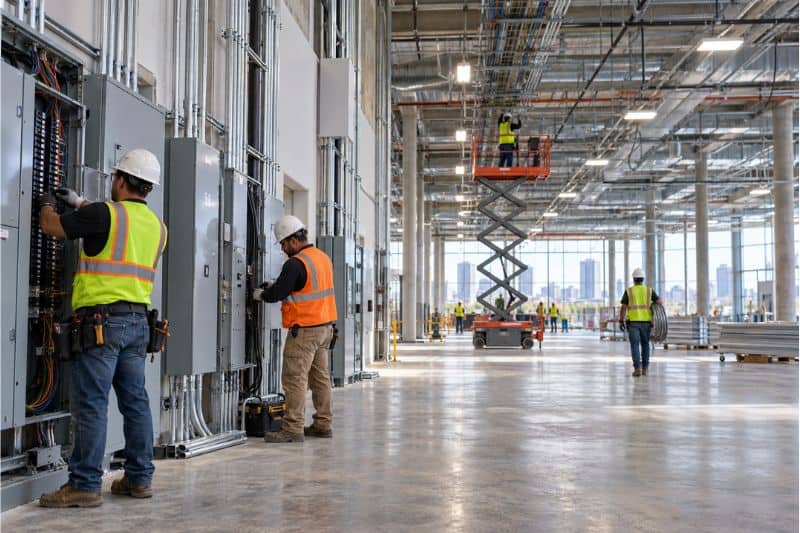
When a general contractor hands the electrical scope of a 100,000-square-foot build to a subcontractor, the schedule, the inspections, and the client relationship all ride on that choice. RG Electric is a licensed C10 #910807 electrical contractor in Los Angeles, and in 2024 a Los Angeles construction company hired us to install the electrical system for a space of exactly that size. This page describes the project as the client reported it in a verified Clutch review, and then explains what any general contractor or developer should expect from an electrical subcontractor on a build of this scale.
Project Overview
The facts below come from the client’s own verified review on Clutch, published October 2, 2024. We have stated only what the review reports.
Location: Los Angeles, California
Client: A Los Angeles general construction company
Space: 100,000 square feet
Timeline: January through September 2024
Scope: Electrical panels, wiring, lighting, and Title 24 requirements
RG Electric team: Six to ten people assigned
How the client found us: Referral
Client rating: 5.0 out of 5 for quality, schedule, cost, and willingness to refer
What the Client Needed
The client is a general contractor, and its goal, in its own words on Clutch, was to have electrical work installed on its projects. That framing matters. A general contractor does not need an electrician who creates more questions. It needs one who takes the electrical scope off its plate, hits the dates the rest of the trades are working toward, and passes the inspections that gate the next phase.
The client told Clutch that it chose RG Electric for our ratings, our pricing, a good fit in culture and values, and a referral. Those are the reasons contractors give when the decision is about trust more than the lowest number.
Scope of Work
The review lists four parts to the scope. We describe each at the level the review supports.
Electrical panels
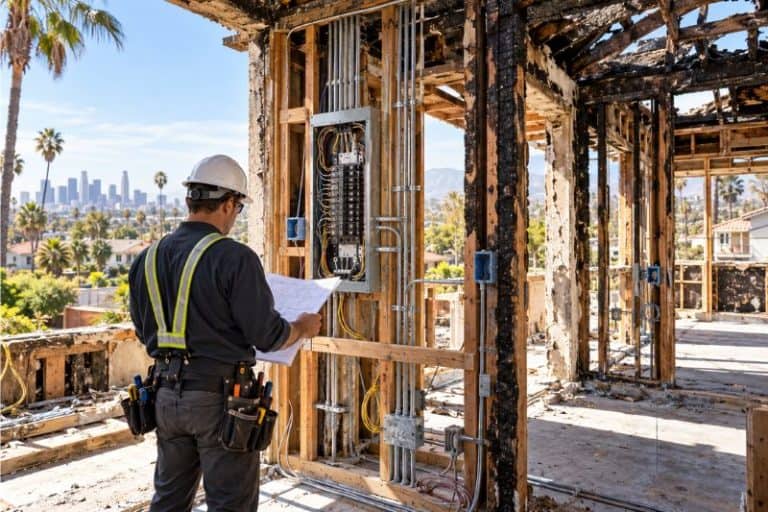
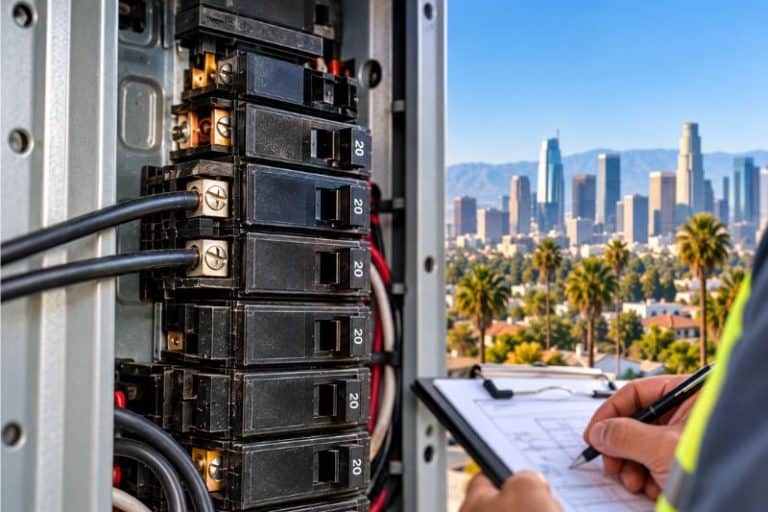
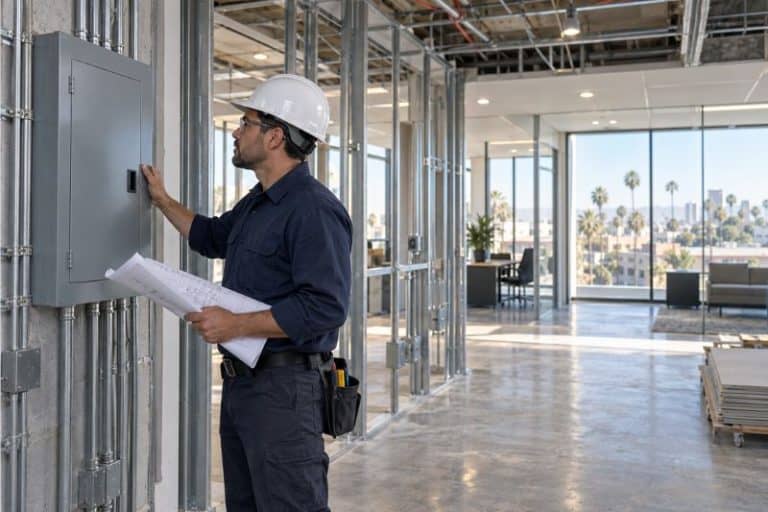
The project included installing electrical panels as part of a new electrical system. Panels are where a building’s electrical capacity is decided, and on a space this size they are the equipment the rest of the system depends on. Our commercial electrical services begin with the panel and distribution plan for exactly that reason.
Wiring
The scope included the wiring for the new system. On a large build, wiring is the part that has to be coordinated most closely with the other trades, because routes, access, and sequencing affect everyone working in the space.
Lighting
The client reported lighting as part of the installation. Our indoor lighting work covers fixtures, controls, and the code requirements that come with them.
Title 24
The review lists Title 24 as part of the scope. California’s Title 24 includes the Energy Code, which sets requirements for how buildings use energy, and lighting is a large part of it for commercial spaces. We explain what that means for a project like this further down.
How the Project Was Run
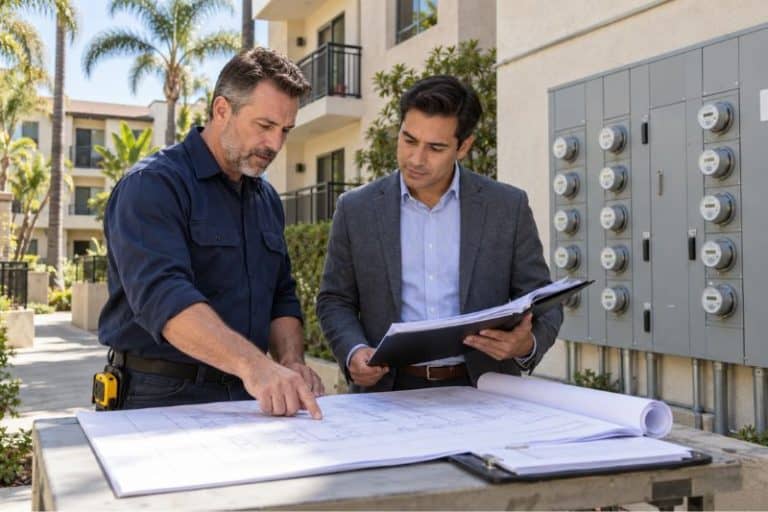
The review gives a clear picture of how the engagement worked. The project ran on time. The client communicated with our team primarily through in-person meetings throughout the engagement, and it rated the schedule five out of five. A team of six to ten people from RG Electric was assigned.
The client also reported that the project delivered a new electrical system in the space and that service and cost met its expectations. When asked what was most impressive about us, the client answered in one line.
What the Client Said
“They are extremely knowledgeable.” Gillad Elias, CMO of the construction company, in a verified Clutch review dated October 2, 2024. You can read the full review on our Clutch profile.
We have not added details beyond what the client wrote. Where a project page leaves out the facts it does not have, the facts it does have are easier to trust.
What General Contractors Should Expect From an Electrical Subcontractor on a Large Build
The sections above describe one project. This section is general guidance for anyone hiring an electrical subcontractor for a build of this size. It describes what to look for, not what happened on this job.
Coordination and scheduling
On a large build, the electrical scope touches almost every other trade. A good subcontractor shows up to coordination meetings with a clear sequence, flags conflicts with other trades early, and gives you dates you can build the master schedule around. Ask how they plan access to the space, how they handle changes, and who your single point of contact will be. In-person communication, which the client in this case reported, is a good sign of a subcontractor who treats coordination as part of the job.
Title 24 and energy compliance
Title 24, Part 6 is California’s Energy Code. For nonresidential spaces, it sets requirements for lighting, including automatic controls such as occupancy sensing, and limits on how much lighting power a space can use. The exact requirements depend on the building type, the use of each space, and the code edition in force when the permit was issued. California moves to a new code cycle every three years, and the 2025 cycle took effect on January 1, 2026. Ask your electrician which cycle applies to your permit, and ask who is responsible for the compliance documentation the building department will want to see.
Permits and inspections
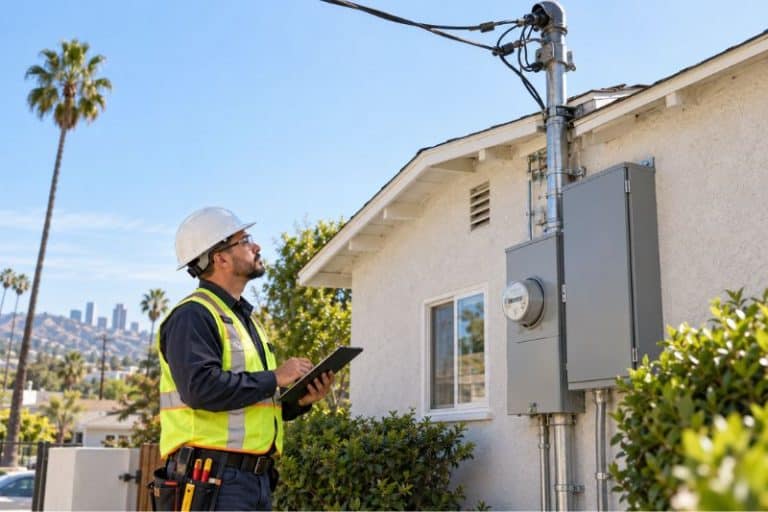
Electrical work on a project like this is permitted and inspected. If the building is in the City of Los Angeles, that means the Los Angeles Department of Building and Safety. Other cities, including Santa Monica, Beverly Hills, Culver City, Inglewood, and Torrance, have their own building departments. A large project can involve plan review before the permit and several inspections afterward. Ask your subcontractor who pulls the permit, who schedules inspections, and what happens if an inspection does not pass.
Panels, capacity, and what comes next
A space this size typically distributes power through multiple panels, and the way capacity is divided affects what tenants or operators can add later. Ask how the subcontractor sizes equipment and whether they plan for future loads. We use Siemens panels, and our panel work starts with a load calculation.
Documentation and closeout
Closeout is where well-run electrical scopes stand apart. Ask what you will receive when the work is done: the permit number and final inspection approval, labeled panel directories that match the circuits, and records of the equipment installed. These are the documents an owner, lender, or insurer asks for later, and they are far easier to collect while the crew is still on site.
Safety on an active site
A large build has many trades working at once. Ask how the electrical subcontractor handles shutdowns, who is notified before a panel is de-energized, and how they keep their work area safe for the trades around them. A subcontractor who answers specifically has done it before.
References you can verify
Ask for recent references and for reviews you can check yourself. A verified, independent review, like the one this page is based on, is worth more than a testimonial on a company’s own website.
Questions General Contractors Ask When Hiring an Electrical Subcontractor
How early should the electrician be involved?
As early as the design allows. The panel locations, the service size, and the lighting control strategy are all decisions that are cheaper to settle before walls go up. An electrician who sees the plans early can flag a conflict while it is still a line on a drawing.
Does the subcontractor need a specific license?
Yes. Electrical work in California requires a contractor holding a C-10 license from the Contractors State License Board. You can look up the license number, its status, and the bond and workers’ compensation information on the CSLB website. Ours is C10 #910807.
What should I ask about inspections?
Ask who schedules them, who attends, and what the plan is if something does not pass. A correction followed by a reinspection is a normal part of construction. What matters is that your subcontractor handles it without surprising you.
Can you tell me what a project like this costs?
Not from a page like this. The scope, the building, and the design all drive the price. We give written estimates after we review the work, and new work is estimated free of charge.
Planning a Large Commercial Electrical Project
If you are a general contractor, developer, or property manager planning an electrical scope in Los Angeles, a short conversation early in planning is the most useful thing we can offer. We will tell you what we need to see, what questions will matter, and how we would approach the work. Bring whatever you have: the plans, the permit status, the target dates, and the questions that worry you most. From there, we can say plainly whether the project is a fit, what the first steps look like, and who from our team you would work with. If it is not a fit, we will say so.
For immediate assistance or to schedule a professional evaluation, call RG Electric directly at (323) 521-5131.
Electrical work is hazardous. Always consult a licensed electrician like RG Electric before working on electrical systems.