
 Call (323) 5215131
Electrical Fire Prevention for Los Angeles Multi-Unit Properties
Updated June 2026
Electrical fires in multi-unit residential properties rarely announce themselves. They start inside walls, behind panels, and within wiring systems that have not been professionally evaluated in years. By the time a tenant smells smoke or a breaker does something unexpected, the conditions that made the fire possible have often been developing for months. For property managers in Los Angeles, this is not an abstract risk. It is a liability exposure that affects insurance coverage, tenant safety, and the long-term value of the asset.
The National Fire Protection Association consistently identifies electrical failures as one of the leading causes of residential building fires in the United States. In Los Angeles, that risk is compounded by building stock that in many neighborhoods dates to the 1950s and 1960s, combined with the dramatically increased electrical loads that modern tenants place on systems that were never designed to carry them. The result is a large inventory of multi-unit properties operating with meaningful fire exposure that a professional inspection would surface, and that targeted upgrades would substantially reduce.
This guide covers the primary electrical fire hazards in Los Angeles multi-unit properties, how to identify them before they produce a loss event, the specific upgrades that reduce fire risk in a documented and LADBS-compliant way, and a practical maintenance checklist property managers can use year-round. RG Electric holds C10 License #910807 and works with property managers throughout Los Angeles on exactly this type of proactive electrical risk management.
Why Multi-Unit Properties in Los Angeles Face Elevated Fire Risk
The fire risk profile of a typical older multi-unit building in Los Angeles is shaped by several compounding factors that do not exist in the same combination anywhere else.
The age of the housing stock is the starting point. Neighborhoods like Mid-City, Echo Park, Hollywood, Van Nuys, and Koreatown contain large concentrations of apartment buildings constructed before modern electrical codes existed. These buildings were wired for a world where the typical residential electrical load was a few lights, a refrigerator, and perhaps a window air conditioner. The panels that served them were sized accordingly, and in many cases those original panels, or panels from a generation of replacements that are themselves now outdated, are still in service.
Tenant electrical demand has increased substantially and continuously. Home offices with multiple monitors, portable HVAC units, smart home devices, and Level 2 EV chargers all represent loads that did not exist or were not common when the building was last evaluated. A tenant moving into a unit in Sherman Oaks or Culver City today brings significantly more electrical demand with them than a tenant moving into the same unit in 2005. The building’s wiring and panel were not upgraded to match.
California’s regulatory environment adds a third layer. LADBS and the National Electrical Code have adopted increasingly stringent requirements for arc fault circuit interrupter protection, ground fault circuit interrupter protection, and panel safety standards. Many older buildings were never brought into compliance with these requirements, either because the work was not triggered by a permit or because prior owners deferred it. The compliance gap creates both safety exposure and a liability position that insurance underwriters are examining more closely than they used to.
Los Angeles’s physical environment contributes as well. The region’s dry climate accelerates the degradation of wire insulation. Earthquake activity over decades can loosen connections in panels and junction boxes that would otherwise remain stable. Heat cycles stress electrical components in ways that are invisible until they are not.
The Primary Electrical Fire Hazards in Multi-Unit Buildings
Understanding what actually causes electrical fires in multi-unit properties is the first step in addressing them effectively. The hazards are consistent and well-documented, and most of them are correctable with targeted upgrades.
Outdated or Defective Electrical Panels
Certain panel brands installed extensively in the mid-20th century are now recognized as fire risks. Federal Pacific panels with Stab-Lok breakers have a documented history of failing to trip during overloads, allowing current to continue flowing through circuits that should be shut down. Zinsco panels have similar failure modes. Pushmatic panels are obsolete, difficult to service, and no longer manufactured. Challenger panels round out the group of brands that insurers and inspectors flag consistently.
When a breaker fails to trip, the circuit protection that the entire electrical safety system depends on does not function. The conductor overheats, the insulation degrades, and the conditions for ignition develop inside a wall cavity where no one sees them. Property managers who know they have Federal Pacific or Zinsco equipment in their buildings are managing a known, documented fire risk every day they defer replacement.
Overloaded Circuits
A circuit overload occurs when the total current draw of devices connected to a circuit exceeds the ampacity of the wiring and breaker protecting it. In older multi-unit buildings, circuits were often sized for the loads that existed when the building was constructed. Adding high-draw appliances, portable heaters, air conditioners, or EV charging equipment to those circuits without evaluating whether the wiring can support the additional load is how overloads happen.
In multi-unit properties, shared circuits that supply power to more than one unit amplify this problem significantly. A circuit that was adequate for one unit’s historical usage is often inadequate when it is simultaneously carrying the load of multiple tenants running appliances during peak hours. Overloaded circuits generate heat in conductors, and that heat degrades insulation over time. A breaker that trips repeatedly and is repeatedly reset without the underlying cause being addressed is a warning that is being ignored.
Aging or Deteriorated Wiring
Wire insulation has a service life. In buildings from the 1960s and earlier, aluminum wiring was commonly used for branch circuits because copper prices were high at the time. Aluminum expands and contracts differently than copper with temperature changes, which loosens connections at outlets, switches, and panel lugs over time. Loose connections are arc ignition points.
Cloth-wrapped wiring from older construction has insulation that becomes brittle and cracks over decades of heat cycling. Rodent damage to wiring in attic or crawl space runs is common in older LA buildings. Any of these conditions creates a scenario where current flows through a conductor that is no longer adequately insulated, with the surrounding structure providing the fuel for ignition.
Missing Arc Fault and Ground Fault Protection
Arc fault circuit interrupters detect the electrical signature of arcing within a circuit, including the type of arcing that occurs at a damaged wire or a loose connection inside a wall, and trip the breaker before ignition can occur. Ground fault circuit interrupters detect current leaking outside the intended circuit path and shut the circuit down within milliseconds, protecting against both shock and the type of heat buildup that precedes a fire.
Current NEC requirements mandate AFCI protection in living areas and GFCI protection in kitchens, bathrooms, laundry areas, garages, and outdoor circuits. Many older multi-unit buildings in Los Angeles have neither. This is not a minor compliance gap. It means the building lacks the most effective electrical fire prevention technology available, and the absence is visible to any inspector or underwriter who looks.
Unlicensed or Improper Prior Electrical Work
Unpermitted work is common in older LA multi-unit buildings. Previous owners added circuits, moved outlets, and wired additions without permits and without licensed contractors. The results are frequently visible to a professional: reversed polarity, undersized wire for the breaker protecting it, connections made in inaccessible locations, and circuits that do not behave the way the panel directory claims they do. These are ignition risks that a professional inspection identifies and that unpermitted work created invisibly.
Tenant Misuse of Electrical Systems
Even well-maintained systems can be stressed by tenant behavior. Daisy-chaining power strips, running space heaters on extension cords, and plugging high-draw appliances into circuits not sized for them all introduce load conditions that the building’s infrastructure was not designed to handle. Property managers cannot monitor every tenant’s actions, but they can reduce exposure through regular inspections that catch the consequences of misuse before those consequences produce a loss event, and through clear communication with tenants about safe electrical practices.
How to Identify Fire Risks Before They Produce a Loss
Some electrical fire hazards are visible if you know what to look for. Others require professional diagnostic tools to surface. Both categories matter.
Tenant-reported symptoms are often the first indication that something is wrong. Breakers that trip repeatedly, outlets that feel warm, lights that flicker when appliances run, burning smells near outlets or the panel, and discoloration around outlet covers are all signals that the electrical system is under stress. Property managers who create easy channels for tenants to report these observations and who respond to them promptly are more likely to catch developing problems before they escalate.
Visible indicators during a walkthrough include scorch marks around outlet covers, melted or discolored wiring in accessible locations, panel interiors that show signs of overheating, and the presence of Federal Pacific, Zinsco, Pushmatic, or Challenger equipment. These require no specialized tools to identify and no ambiguity about what action they call for.
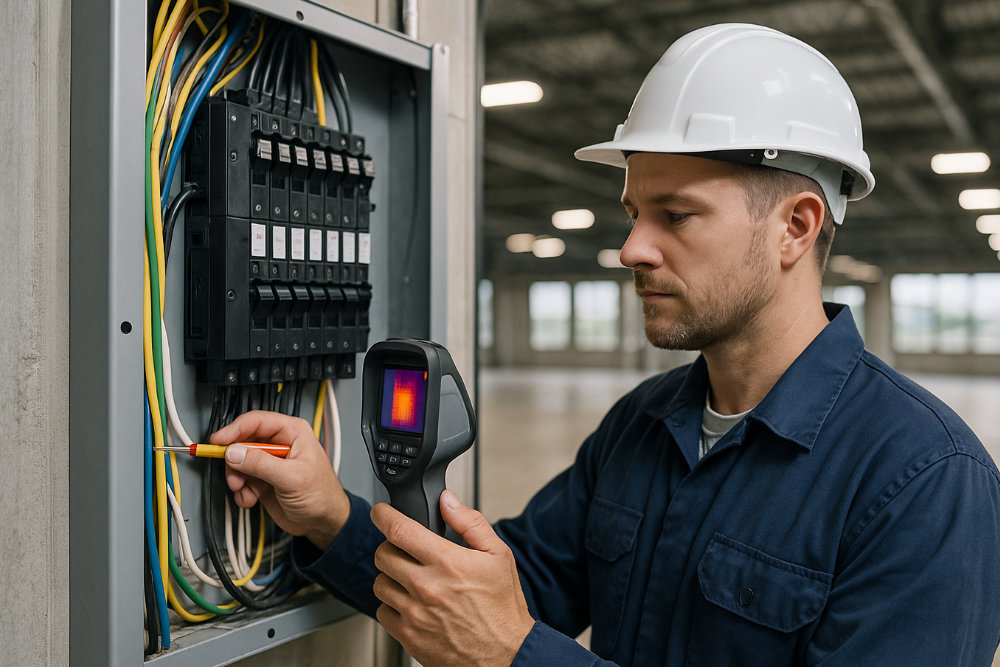
Professional diagnostics go significantly further. Thermal imaging detects heat anomalies in panels, wiring runs, and junction boxes that are completely invisible to standard visual inspection. A panel that looks clean and functional may show alarming temperature differentials at specific breakers or bus bar connections under thermal imaging, indicating a fault that has not yet progressed to a visible or audible symptom. Circuit analysis equipment measures voltage stability, grounding integrity, and load distribution across the panel.
For properties that have not been professionally inspected in several years, a comprehensive electrical assessment is the appropriate starting point before any targeted upgrades are planned. It produces a documented picture of what the system’s actual risk profile is, what needs to be addressed, and in what order.
The Upgrades That Actually Reduce Electrical Fire Risk
Electrical fire prevention in a multi-unit building is not a single project. It is a set of targeted upgrades, each addressing a specific hazard category, that together produce a system operating within its design parameters and equipped with the protection technology required by current code.
Panel Replacement
For buildings with Federal Pacific, Zinsco, Pushmatic, or Challenger equipment, panel replacement is not optional risk management. It is the removal of a known defect. Modern panels with correctly functioning breakers, properly rated bus bars, and adequate space for required protection devices are the foundation that every other fire prevention upgrade depends on. A building with a defective panel and a full complement of AFCI and GFCI devices is still a building with a defective panel.
Panel replacement also creates the opportunity to right-size the service for the building’s actual current demand. Many older buildings running 100A or 150A service panels are candidates for upgrading to 200A or higher, which addresses both the safety concern and the capacity constraint simultaneously. RG Electric handles the full scope of electrical panel services for multi-unit properties, including LADBS permitting, LADWP coordination for service upgrades, and post-installation inspection.
AFCI and GFCI Installation
Installing arc fault and ground fault protection throughout the building is the upgrade with the broadest direct impact on fire risk. AFCI breakers address the hazard of arcing within circuits, which includes the type of arcing that occurs in damaged wiring inside walls, the precise scenario that causes fires to start in locations where no one would see early warning signs. GFCI protection in kitchens, bathrooms, laundry areas, and outdoor circuits prevents current leakage from becoming a heat source.
In buildings where the panel is being replaced, these protection devices are incorporated into the new panel as part of the same project. In buildings with serviceable panels, AFCI and GFCI breakers can often be installed without a full panel replacement, making this one of the higher-value incremental upgrades available to property managers working through a phased improvement plan.
Wiring Remediation
Buildings with aluminum branch circuit wiring require professional remediation. The connection problems aluminum wiring creates over time are a documented fire hazard that requires specific corrective action. Options include full rewiring in copper, the installation of CO/ALR-rated devices at all connection points, or the application of anti-oxidant compound to existing connections combined with conversion to copper pigtails at devices. The correct approach depends on the building’s specific conditions and the extent of the wiring affected.
For buildings with severely deteriorated cloth-wrapped wiring or documented rodent damage to wire insulation, partial or full rewiring may be the appropriate solution. This is disruptive work in an occupied building, but it permanently removes the hazard rather than managing around it.
Dedicated Circuits for High-Load Equipment
Shared circuits carrying loads they were not designed for are one of the most common sources of electrical stress in older multi-unit buildings. Portable HVAC units, space heaters, and EV chargers running on circuits that were not sized for them contribute directly to the overload conditions that degrade insulation and stress components. Installing dedicated circuits for high-load equipment removes these devices from shared circuits and ensures the conductor and breaker are matched to the load they are carrying.
Surge Protection
Whole-building surge protection installed at the main panel intercepts voltage spikes from the utility before they reach branch circuits and the devices connected to them. Surges cause dielectric breakdown in wire insulation over time, degrading the insulation’s ability to contain current to the conductor. In buildings with aging wiring already operating close to its insulation limits, surge protection reduces the cumulative stress on a system that has little tolerance for it.
Fire Prevention Maintenance Checklist for Los Angeles Property Managers
Electrical fire prevention is not only about capital upgrades. Consistent, proactive maintenance is what keeps a system performing safely between major projects and what produces the documentation record that insurers and regulators expect to see.
The following tasks represent the core of a practical maintenance program for multi-unit properties in Los Angeles. Some require a licensed electrician. Others can be incorporated into routine property management inspections.
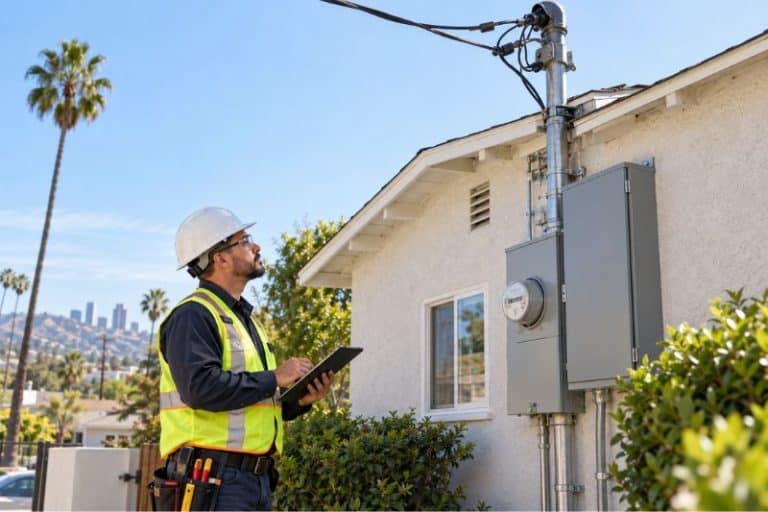
Schedule professional electrical inspections annually. A licensed electrician can detect hidden wiring issues, verify that protection devices are functioning correctly, and confirm LADBS compliance across the system. For older buildings with known aging infrastructure, more frequent evaluations may be warranted.
Test smoke detectors and alarms monthly. Early warning systems are only effective when they are functioning. Property management staff can perform these tests without specialized equipment, and documentation of each test creates a defensible record of due diligence.
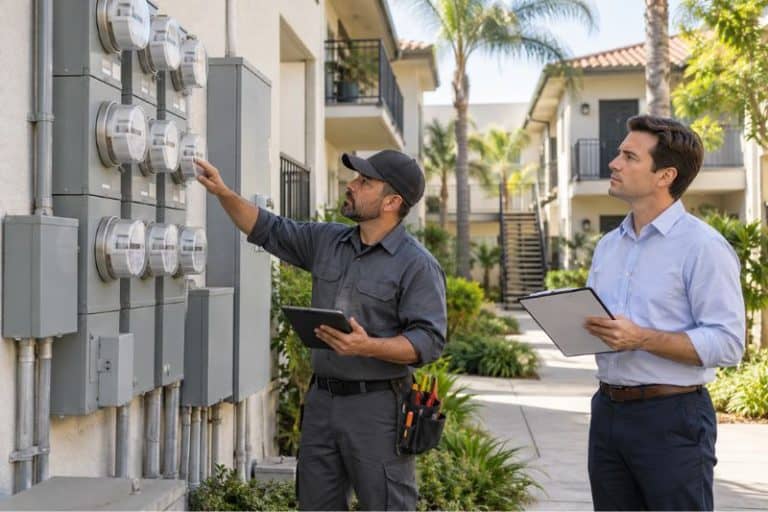
Check breaker panels for heat or corrosion quarterly. Panels that feel warm to the touch, show discoloration, or produce a burning smell are exhibiting symptoms that require professional evaluation. These checks can be performed during routine property walkthroughs.
Inspect outlets and switches on an ongoing basis. Cracked outlet covers, outlets that feel warm, outlets with discoloration around the face, and switches that spark or behave inconsistently are all indicators that the device or the wiring behind it needs professional attention.
Verify GFCI and AFCI devices are functional quarterly. These devices have a test button that confirms the circuit protection is responding correctly. A device that fails the test should be replaced immediately. Quarterly verification is a straightforward task that protects against the scenario where a protection device has failed silently and is providing no protection at all.
Address aging wiring as identified. Aluminum wiring, cloth-wrapped insulation, and any wiring showing visible deterioration should be flagged during annual inspections and incorporated into the building’s upgrade plan. Deferred wiring remediation is the category of maintenance most likely to produce a loss event without warning.
Maintain surge protection at the panel. Whole-building surge protectors have a service life and should be replaced per manufacturer recommendations or following a significant surge event. Confirming that surge protection is in place and functional is a straightforward annual checkpoint.
The Insurance and Liability Dimension
The business case for electrical fire prevention extends well beyond the cost of the upgrades themselves. Insurance carriers operating in the Los Angeles market have become substantially more rigorous in their assessment of electrical risk over the past several years, and the consequences of an unfavorable evaluation are significant.
Properties with known high-risk panel types, including Federal Pacific and Zinsco, face the most immediate exposure. Some carriers have begun declining to renew policies on properties with these panels without documentation of a replacement plan. Others are applying significant surcharges. For property managers in Van Nuys, Inglewood, or Downtown LA who have these panels and have not addressed them, the insurance conversation is likely coming whether they initiate it or not.
More broadly, insurance underwriters are asking for electrical inspection documentation and upgrade records that many property managers cannot produce for their older buildings. The absence of documentation does not necessarily trigger a denial, but it creates an information vacuum that underwriters fill with risk assumptions that are not favorable to the insured. Properties with current inspection reports, documented upgrade histories, and evidence of code compliance are demonstrably better risks, and underwriters treat them that way.
Liability is the other side of this. A tenant or their insurer who suffers a loss from an electrical fire in a property with known, unaddressed electrical defects has a significant claim. The standard of care for a California landlord includes maintaining the electrical system in a safe condition, and documented defects that were not corrected create exactly the evidence of negligence that personal injury and property damage claims require. Proactive electrical maintenance and upgrades are legal risk management as much as they are physical risk reduction.
Building a Practical Prevention Plan
For property managers working through a portfolio of older buildings, the question is often sequencing. Not every building can be addressed simultaneously, and not every building has the same risk profile. A practical prevention plan starts with triage.
Buildings with Federal Pacific, Zinsco, Pushmatic, or Challenger panels should be prioritized for panel replacement regardless of other factors. The risk associated with non-tripping breakers is not amenable to a phased approach. While the panel replacement is being planned, a thermal imaging inspection of the existing panel identifies whether the hazard is actively manifesting in ways that require immediate attention versus representing a serious but not yet acute risk.
Buildings without high-risk panel types but with aging wiring, no AFCI or GFCI protection, or a history of electrical complaints should be prioritized for a professional inspection that produces a documented hazard inventory. That inventory becomes the basis for a phased upgrade plan that can be executed across one or two maintenance cycles rather than requiring a single large capital commitment.
Buildings with relatively recent electrical work and no known defects should still be on a regular inspection cycle. Regular professional inspections, every three to five years for older buildings, catch developing problems before they become emergencies and maintain the documentation record that insurers and regulatory agencies are increasingly expecting to see.
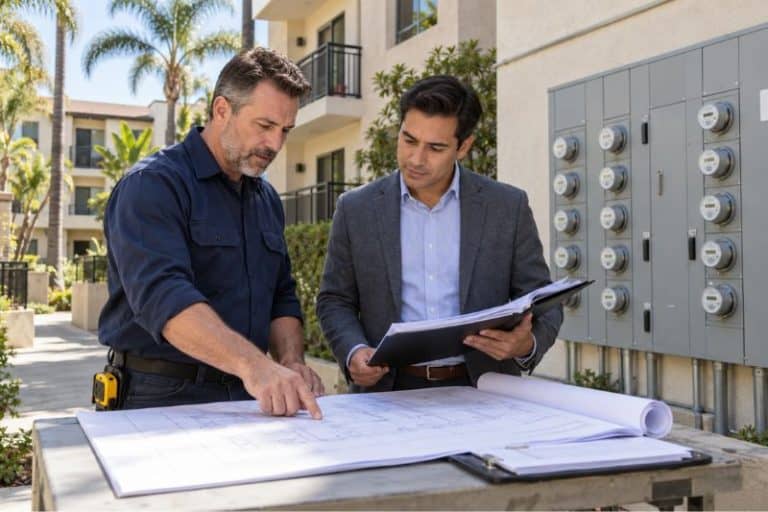
RG Electric works with property managers across the Los Angeles market to develop prioritized electrical maintenance plans for multi-unit portfolios, sequencing work by risk level and budget constraints and handling all associated LADBS permitting. Our commercial electrical services for multi-unit properties cover inspection, remediation, permitted upgrades, and the ongoing maintenance relationship that keeps documentation current and systems performing within their design parameters.
Frequently Asked Questions
How do I know if my building has a Federal Pacific or Zinsco panel?
Open the panel door and look at the brand name on the panel interior or on the breakers themselves. Federal Pacific panels often have “Stab-Lok” printed on the breakers. Zinsco panels may be labeled as “Zinsco” or “GTE-Sylvania” depending on when they were manufactured. If you are uncertain, a licensed electrician can identify the panel type during a brief inspection. If your building was constructed or last had its panel replaced between roughly 1950 and 1990 and you have never had the panel professionally evaluated, this is worth verifying.
Can I address electrical fire risks incrementally, or does everything need to be done at once?
Most fire prevention upgrades can be sequenced across a planned maintenance timeline, with higher-risk items addressed first. The exception is a known defective panel. If you have a Federal Pacific or Zinsco panel, that replacement should not be deferred while other work is phased. Everything else, including AFCI and GFCI installation, wiring remediation, and dedicated circuit additions, can generally be incorporated into a multi-year improvement plan that matches your capital budget and minimizes tenant disruption.
Do fire prevention upgrades require LADBS permits?
Panel replacements, new circuit installations, and service upgrades all require LADBS permits and inspections. AFCI and GFCI breaker replacements within an existing panel are generally considered like-for-like replacements and may not require a permit depending on the scope, but this is worth confirming with a licensed contractor before work begins. RG Electric handles all permitting for work that requires it, including the load calculation documentation that LADBS requires for panel upgrades.
Will documenting electrical upgrades actually affect insurance premiums?
It can, depending on the carrier and policy structure. More reliably, documentation affects insurability and position in a claim dispute. A property with current inspection documentation, a record of permitted upgrades, and no known unaddressed defects is in a fundamentally stronger position with an underwriter than a property with no documentation. The premium impact varies, but the risk management value of the documentation itself is consistent.
My building passed its last city inspection. Does that mean the electrical system is safe?
Not necessarily. City inspections verify code compliance at a point in time for the work covered by a specific permit. They are not comprehensive electrical system assessments. A building can pass a permit inspection for a plumbing repair while the electrical panel remains uninspected and in a defective condition. A professional electrical inspection by a licensed contractor is a different and more thorough evaluation than a code inspection triggered by an unrelated permit.
Schedule an Electrical Fire Risk Assessment
If your multi-unit property has not had a professional electrical inspection in the last three to five years, if you know you have aging or high-risk electrical equipment, or if you have been receiving tenant complaints about electrical symptoms that have not been professionally evaluated, a fire risk assessment is the appropriate next step. It produces a documented picture of the system’s actual risk profile, what needs to be addressed, and in what order.
RG Electric serves multi-unit and commercial properties throughout Los Angeles, including Encino, Sherman Oaks, Van Nuys, Beverly Hills, Santa Monica, Koreatown, Downtown LA, Culver City, Inglewood, Torrance, and the broader San Fernando Valley. For immediate assistance or to schedule a professional evaluation, call RG Electric directly at (323) 521-5131.