
 Call (323) 5215131
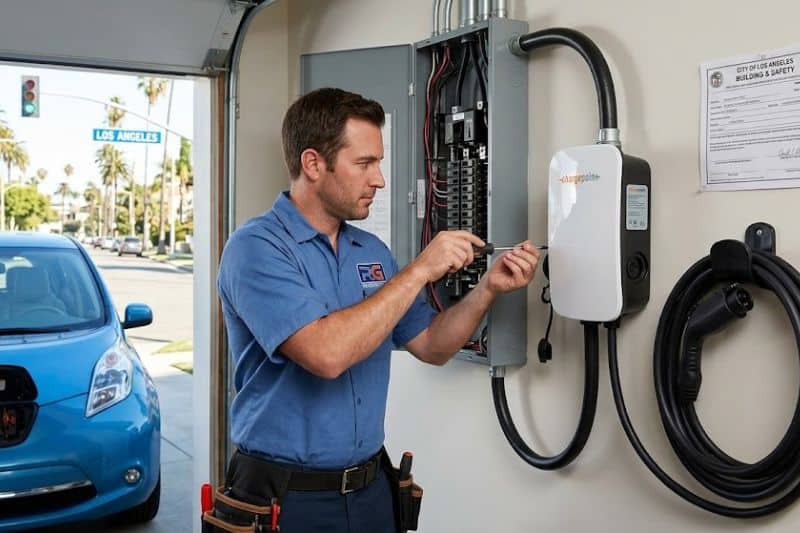
What Homeowners Get Wrong About EV Charger Installation
Electric vehicles are becoming a fixture in Los Angeles driveways, and with them comes a question most new EV owners don’t think through until they’re already home with the car: how do I charge this thing? The answer seems simple until it isn’t. Most homeowners assume EV charging is a plug-and-play situation, or that a quick call to a handyman will take care of it. As a licensed C10 electrical contractor, License #910807, RG Electric handles EV charger installations throughout Los Angeles, and the same misunderstandings come up repeatedly. This article walks through the most common ones so you can approach the installation correctly from the start.
The Plug-and-Play Assumption
The most widespread mistake Los Angeles homeowners make with EV charging is assuming their existing outlets are sufficient. Every EV comes with a Level 1 charging cable that plugs into a standard 120-volt household outlet. That cable works. It will charge your car. But it will do so at a rate of roughly three to five miles of range per hour of charging, which means a depleted battery on most modern EVs takes two to three days to fully recover on a standard outlet.
For most daily drivers in Los Angeles, that’s not a functional charging solution. The commutes are longer, the traffic heavier, and the daily range draw higher than in most cities. A homeowner who parks their EV overnight expecting it to be ready in the morning and finds it at 40 percent charge by 6 a.m. has discovered the Level 1 limitation the hard way.
A Level 2 charger, which operates on a 240-volt circuit, charges at 20 to 30 miles of range per hour. A full charge overnight is realistic for most vehicles. This is the standard that makes home EV charging practical, and it requires a dedicated 240-volt circuit installed by a licensed electrician, not an extension cord and an existing outlet.
Mistake One: Using a Standard Outlet for Level 2 Charging
Some homeowners discover that their dryer or range uses a 240-volt outlet and assume they can plug a Level 2 charger into it. This is a mistake on several levels.
Appliance outlets like those for dryers and ranges are wired for the specific amperage draw of those appliances, and they’re on circuits that may already be at capacity during normal household use. Plugging an EV charger into an outlet that’s also serving a dryer creates a shared load that can trip breakers, overheat wiring, and in the worst case create a fire hazard inside the wall.
Beyond the safety issue, there’s a code issue. California electrical code requires EV chargers to be on dedicated circuits sized specifically for the charger’s amperage draw. That requirement exists because EV charging is a sustained, continuous load, meaning the charger draws its full rated current for hours at a time, unlike most household appliances that cycle on and off. A circuit that shares that sustained load with other devices isn’t designed to handle it safely.
Mistake Two: Skipping the Panel Evaluation
A Level 2 EV charger on a dedicated 240-volt circuit typically requires 40 to 50 amps of panel capacity. Many older Los Angeles homes have 100-amp main panels. Some have less. A 100-amp panel that is already carrying the load of HVAC, kitchen appliances, a water heater, and general lighting may not have the available capacity to add a 40 or 50-amp EV charging circuit without upgrades.
This is one of the most common surprises homeowners encounter when they call about EV charger installation. The charger itself is straightforward. The panel capacity question is where the job gets more complex.
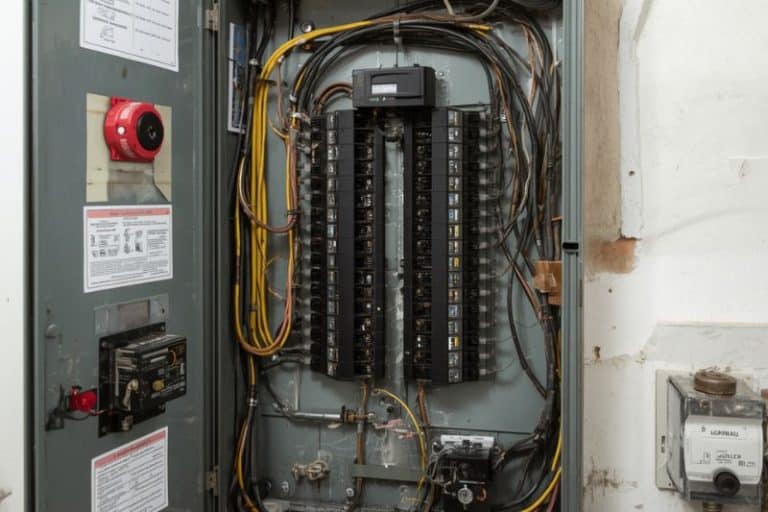
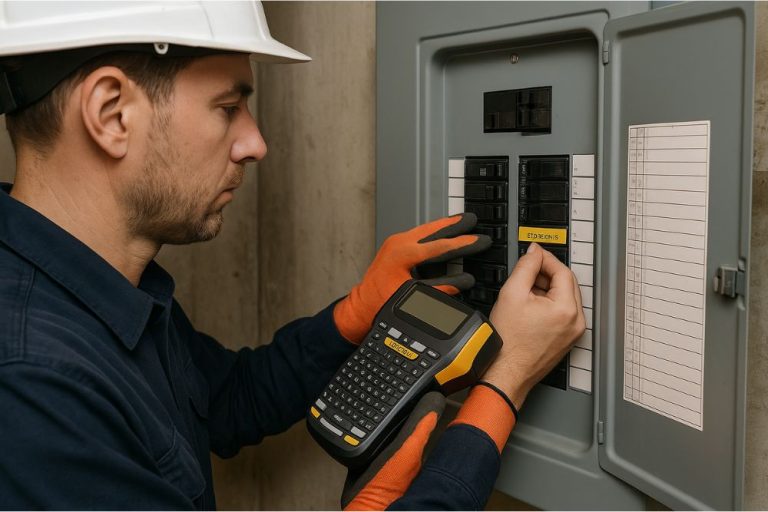
A licensed electrician evaluates the panel before any installation begins, assessing the available capacity, the condition of the existing equipment, and whether the panel can support the additional circuit. If it can, the installation moves forward cleanly. If it can’t, the conversation turns to a panel upgrade, a load management solution, or a charger configuration that works within the available capacity. Skipping this evaluation and proceeding with the installation anyway is how homeowners end up with a charger that trips the main breaker every time they plug in.
In homes with one of the recalled panel brands (Zinsco, Federal Pacific, Challenger, or Pushmatic), the panel conversation happens regardless of capacity. These panels can’t safely support an additional high-draw circuit, and they need to come out before EV charging infrastructure goes in. Our electrical panel services in Los Angeles handle these evaluations and upgrades as part of the EV charger installation process.
Mistake Three: Hiring an Unlicensed Installer
EV charger installation has attracted a category of unlicensed installers who present themselves as specialists but aren’t licensed electrical contractors. Some are handymen who have done a few installations and feel confident. Some are EV equipment vendors who offer installation as part of a package. Some are general contractors who include electrical work they’re not licensed to perform. None of them carry a California C10 electrical contractor license, and the work they produce reflects that.
The most common problems RG Electric finds when evaluating a homeowner’s existing charger installation done by an unlicensed installer include wrong wire gauge for the circuit amperage, missing or incorrect grounding, no dedicated circuit, improper panel connection, and no permit pulled for the work.
Each of these issues has consequences. Wrong wire gauge creates a fire risk under sustained load. Missing grounding creates a shock hazard. No dedicated circuit means the charger is competing with other devices for capacity. Improper panel connection is a safety issue at the source. No permit means the work has never been inspected, the homeowner’s insurance may not cover a claim arising from the installation, and the work may have to be redone before the home can be sold.
Hiring unqualified professionals is one of the most common electrical mistakes we see in Los Angeles. With EV charger installation specifically, the unlicensed installer problem is significant because the installations look finished and functional until they’re tested under real sustained load conditions or until someone opens the panel and looks at what was actually done.
Mistake Four: Not Pulling a Permit
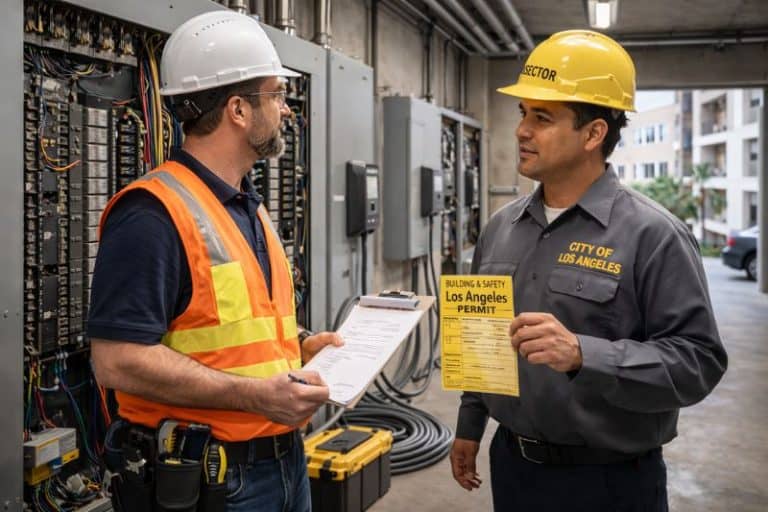
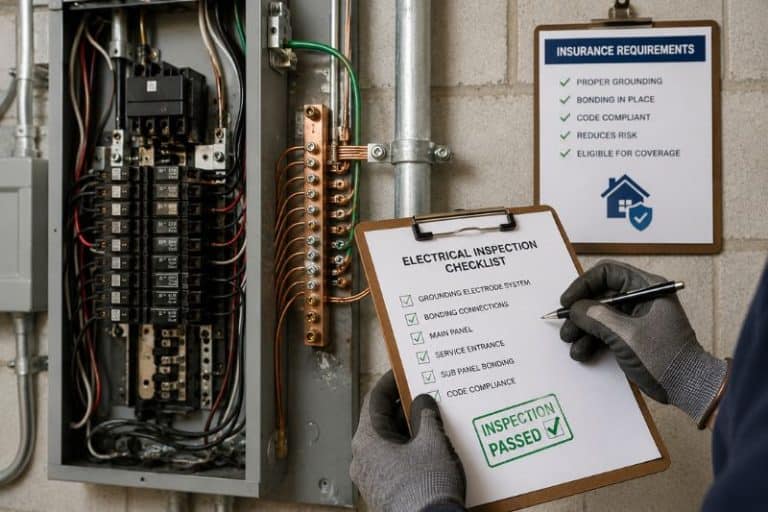
EV charger installations in Los Angeles require a permit from the city. This isn’t optional and it isn’t a formality. The permit triggers an inspection by a city inspector who verifies that the circuit is correctly sized, the wiring is appropriate, the panel connection is safe, and the installation meets current electrical code. In Los Angeles specifically, the city has become more attentive to EV charger installation quality as adoption has grown, and unpermitted installations are being flagged with greater frequency during routine inspections and real estate transactions.
Homeowners who skip the permit process to save time or money are taking on real risk. Unpermitted electrical work can void homeowner’s insurance coverage for claims related to the installation. It can create problems during a home sale when the buyer’s inspector flags the unpermitted work. It can result in fines if the property is inspected for any reason. And it means the installation has never been verified to be safe by anyone with the authority to say so.
When RG Electric installs an EV charger, we pull the permit and manage the inspection process through completion. The permit cost is included in the estimate. There are no shortcuts on compliance, and there are no hidden costs after the fact.
Mistake Five: Choosing the Wrong Charger for the Installation Location
EV chargers installed outdoors or in garages with exposure to weather need to be rated for that environment. NEMA 4 or NEMA 3R enclosures are required for outdoor installations. A charger rated for indoor use only that gets installed in an exposed garage or on an exterior wall is a safety hazard and a code violation regardless of how well the electrical work behind it was done.
Cable length is another consideration that homeowners often underestimate. A charger mounted on the wrong wall of the garage, or positioned without accounting for where the car’s charge port is located, can leave the cable too short to reach comfortably. A 25-foot cable sounds long until the car is parked at the far end of a two-car garage and the charge port is on the passenger side.
The location of the charger also affects the circuit run length, which affects the wire gauge required and the overall cost of the installation. A technician who evaluates the space before installation can identify the optimal mounting location that balances convenience, safety, and installation efficiency.
What a Proper EV Charger Installation Looks Like
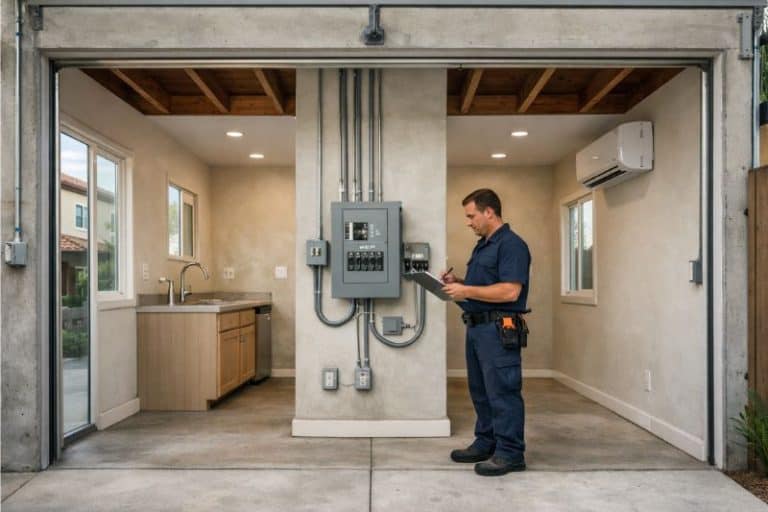
A professionally installed Level 2 EV charger in a Los Angeles home starts with a panel evaluation to confirm available capacity. The technician identifies the best mounting location for the charger, determines the circuit run from the panel, and specifies the correct wire gauge for the amperage and run length. A permit is pulled before any work begins.
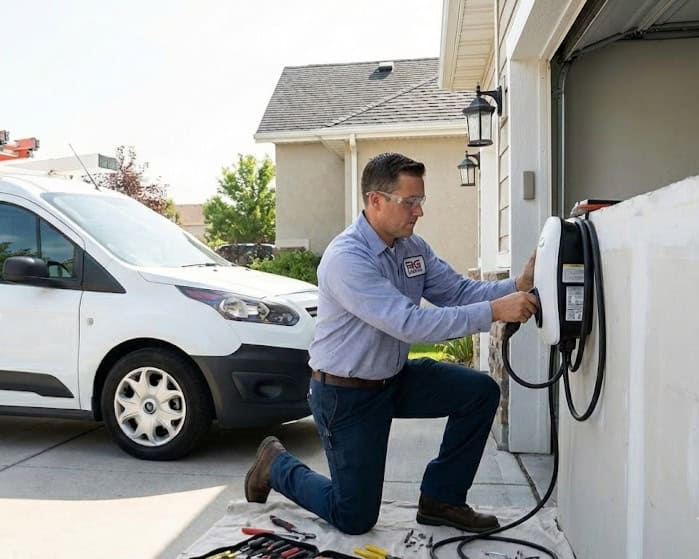
The circuit is run on its own dedicated breaker, sized appropriately for the charger’s amperage rating. The charger is mounted in an appropriate enclosure for its environment, connected correctly, and tested under load before the technician leaves. The city inspector verifies the installation and signs off on the permit.
The entire process, from the initial call through the final inspection, is documented. You receive a permitted installation with a clear record of the work performed, the equipment installed, and the inspection approval. That documentation matters when you sell the home, when you file an insurance claim, and when a future electrician needs to understand what’s in the wall. It’s the difference between a proper installation and one that exists only in someone’s memory of what they think they did.
What you’re left with is a charger that works reliably, meets code, won’t trip your main breaker, won’t create a fire risk, and is documented as a permitted installation in your home’s records. Our EV charger installation services in Los Angeles follow this process on every job, from the initial panel evaluation through the final inspection.
Timing and Planning for New EV Owners
The best time to schedule an EV charger installation is before the car arrives, not after. Lead times for electrical work vary, and a homeowner who schedules the installation when they place the vehicle order rather than when it’s delivered avoids the gap period of Level 1 charging entirely. This is especially relevant in Los Angeles neighborhoods like Sherman Oaks, Culver City, Santa Monica, and Pasadena where EV adoption has accelerated significantly and licensed electricians with EV installation experience are in high demand.
If the panel evaluation reveals that an upgrade is needed before the charger can be installed, that work takes additional time and should be planned accordingly. A panel upgrade in Los Angeles involves permits, scheduling around the utility company for the service disconnect, and a city inspection. Planning early gives you time to sequence the work properly rather than managing it under pressure after the car is already in the garage and you’re relying on a standard outlet that charges at three miles per hour. The homeowners who have the smoothest EV charger installations are almost always the ones who started the conversation with a licensed electrician before the vehicle arrived, not after.
RG Electric provides free estimates for new EV charger installations. A technician visits the property, evaluates the panel and the proposed installation location, and we develop a clear estimate based on what the job actually requires. If the panel needs attention first, we’ll tell you that upfront so there are no surprises when work begins. Our electrical services in Los Angeles cover the full scope of what a proper EV charger installation may require, from the circuit itself to any panel work that needs to happen first.
For immediate assistance or to schedule a professional evaluation, call RG Electric directly at (323) 521-5131.