
 Call (323) 5215131
Phased Electrical Modernization Without Tenant Disruption in Los Angeles Multi-Unit Buildings
Modernizing the electrical infrastructure of an apartment building is rarely optional. For most multi-unit properties in Los Angeles, it is inevitable, and the only real question is whether it happens on your terms or the building’s.
Buildings constructed between the 1950s and 1980s were wired for a load profile that no longer exists. Standard unit demand at the time consisted of basic lighting, modest appliances, and limited air conditioning. Today, those same units are running heat pumps, induction cooktops, electric dryers, home office setups, and EV chargers. The cumulative load shift is dramatic, and infrastructure that once had comfortable headroom is frequently operating near its practical limit without anyone realizing it.
What separates well-managed properties from reactive ones is not whether upgrades happen. It is how they are planned, sequenced, and communicated. Modernization does not have to mean chaos, building-wide shutdowns, or tenant unrest. Done correctly, it is a structured, phased process that steadily strengthens infrastructure while keeping the building operational and tenants informed throughout.
At RG Electric, we work with property managers and building owners across Los Angeles to design and execute phased electrical modernization strategies that align with how buildings actually operate. This article walks through the full framework, from initial assessment through phased execution and tenant communication, so you understand what a professionally managed modernization looks like before you begin.
Why “One Big Upgrade” Is Usually the Wrong Approach
The instinct to consolidate all electrical work into a single project is understandable. It feels efficient. In practice, attempting to modernize a large multi-unit building’s electrical infrastructure all at once creates a set of problems that a phased approach avoids entirely.
A building-wide shutdown forces every tenant to deal with disruption simultaneously. There is no way to contain the impact radius, no ability to schedule around individual tenant needs, and no flexibility to respond when unexpected conditions are discovered during the work, which, in older Los Angeles buildings, they almost always are. Permit processes for large-scope projects can create bottlenecks that extend timelines unpredictably. And the capital requirement of doing everything at once puts pressure on building finances that phased execution can spread over multiple budget cycles.
Electrical modernization should not be treated like emergency surgery. It should be structured like capital planning. The building continues to operate, capacity improves incrementally, and each phase builds on a solid foundation rather than attempting to redo everything under pressure. That distinction defines whether modernization feels like a managed improvement or a disruptive crisis.
Step One: Infrastructure Assessment Before Any Replacement Decisions
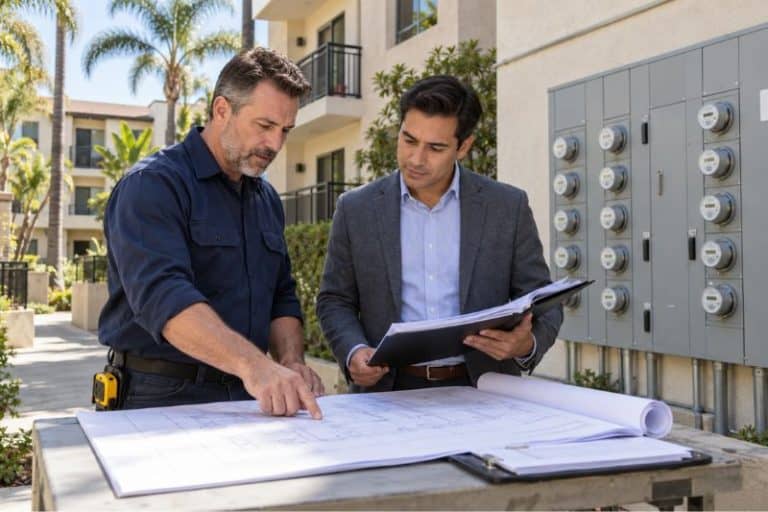
The most important principle in phased modernization is that diagnosis must precede prescription. Replacing panels or increasing service size without first understanding the building’s actual load conditions, distribution architecture, and future demand trajectory leads to decisions that are expensive, sometimes unnecessary, and occasionally wrong.
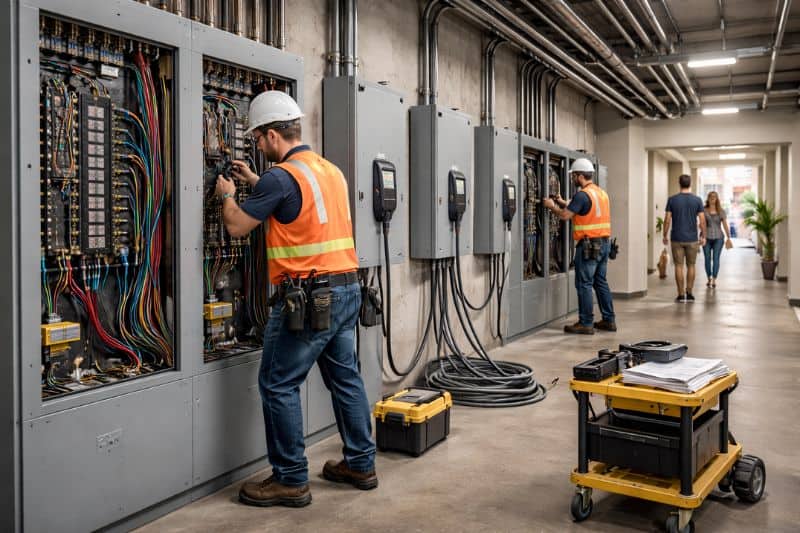
When we evaluate a multi-unit building for modernization planning, we are looking at five core dimensions of the electrical system.
Main Service Rating vs. Real-World Demand
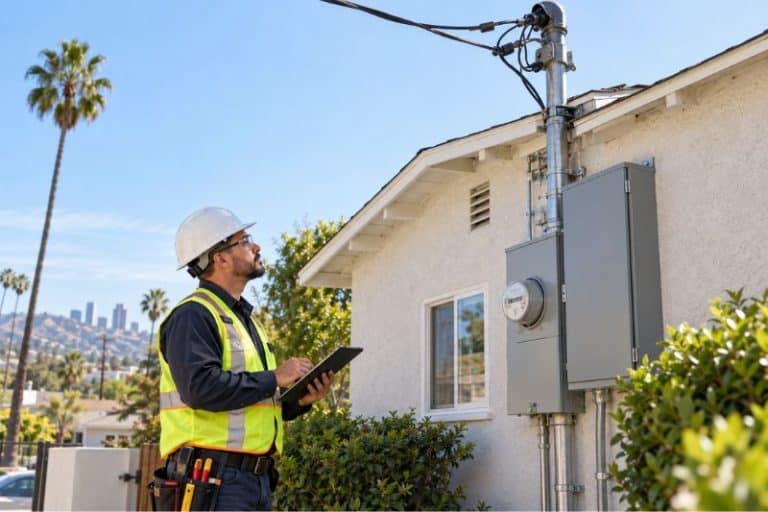
We begin by verifying the actual amperage of the building’s main service and comparing it against real-world peak demand — not the theoretical maximums that panel ratings represent. A service rated for 400 or 800 amps may have significantly less practical headroom once existing committed loads are accounted for. HVAC cycling behavior, seasonal variation, EV charger loads if any are present, and the diversity factor across units all affect how much capacity actually remains available for future expansion. This is the baseline that makes everything else meaningful.
Distribution Panel Balance
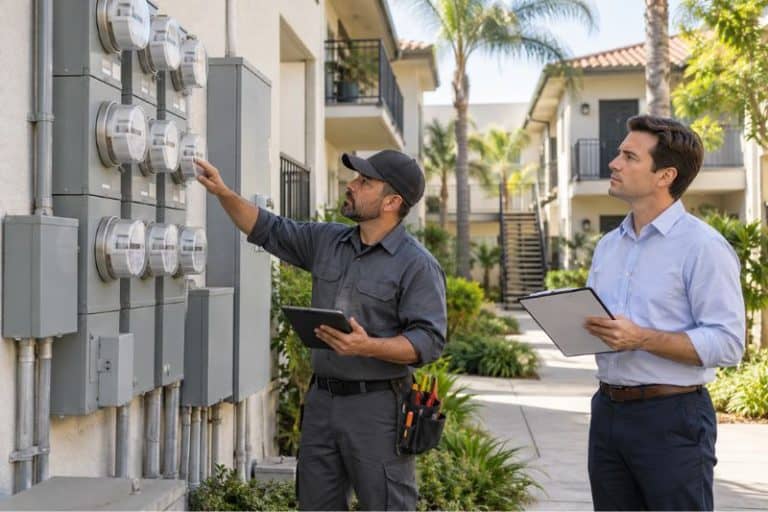
Even when main service capacity appears sufficient on paper, uneven distribution between panels can create localized strain that limits what individual areas of the building can support. We assess whether loads are properly balanced across phases, whether certain panels are carrying disproportionate demand relative to their ratings, and whether the current distribution architecture reflects the building’s actual usage or accumulated decades of incremental additions without a coherent design.
Subpanel Congestion and Circuit Configuration
Over time, subpanels in older Los Angeles apartment buildings accumulate incremental additions in ways that create real operational constraints. Double-tapped circuits, limited breaker space, inconsistent circuit grouping between phases, and breaker sizing that no longer reflects actual circuit loads are common findings. Subpanel congestion is one of the most frequent bottlenecks we encounter, and it is one that can often be addressed through reconfiguration rather than full replacement — an important distinction for capital planning purposes.
Current Operating Conditions
We analyze how the building is actually operating rather than how it was designed to operate decades ago. Tenant renovations, HVAC upgrades, common area improvements, and any existing EV infrastructure all affect current load conditions in ways that are not captured by the original electrical drawings. Understanding actual operating conditions is essential to forecasting accurately — because a building that looks like it has headroom on paper but is already running near capacity in practice requires a very different modernization strategy than one with genuine room to grow.
Future Electrification Plans
Finally, we look ahead. Are there plans for heat pump conversions across multiple units? Electric water heating installations? Additional EV charging infrastructure in the parking structure? New rooftop amenities? The answers shape how aggressively the current infrastructure needs to be expanded versus how much life can be extended through redistribution and reconfiguration. Forecasting future demand is what separates reactive upgrades from strategic modernization — and it is the step most often skipped by property owners who are focused on the immediate problem rather than the trajectory.
This assessment produces a clear picture: where the building stands today, where it is heading, and what the upgrade sequence should be to match capacity growth with demand growth. When expansion becomes necessary, upgrades are coordinated through our Electrical Panel Services team to ensure that capacity improvements align with long-term building plans rather than reacting to immediate pressure.
Step Two: Sequence Upgrades by Load Priority
Once the assessment is complete, the next step is sequencing — determining which upgrades should happen first, which can be deferred, and how to structure the work so that each phase improves the building’s position without unnecessary disruption to occupied units.
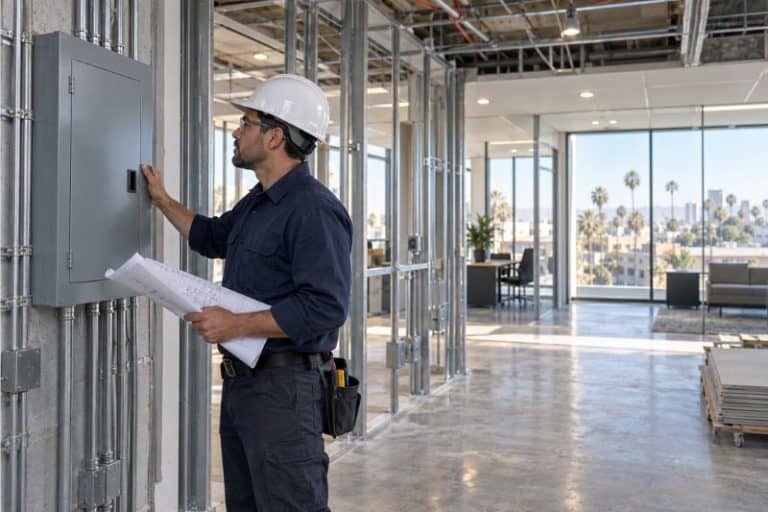
In most Los Angeles multi-unit buildings, the priority sequence follows a consistent logic. Common area distribution is typically addressed first, because it affects all tenants and because improvements here often relieve localized pressure that makes subsequent phases easier to execute. High-demand tenant stacks — wings or floors where load growth has been most significant — come next, because they represent the highest operational risk if left unaddressed. HVAC electrical loads are prioritized based on seasonal urgency and the building’s conversion plans. EV infrastructure pathways — conduit runs, subpanel capacity in the parking structure, load management foundations — are established early in the sequence even if full charger deployment is years away, because the cost of running conduit correctly once is a fraction of the cost of doing it multiple times reactively.
This sequencing approach means that power interruptions can be scheduled by stack, floor, or distribution zone rather than building-wide. A tenant in an unaffected wing experiences no disruption while upgrades proceed in another area. The building’s operational continuity is preserved throughout the modernization process, which is the core promise of phased execution.
Subpanel Reconfiguration as a Strategic First Step
In many Los Angeles buildings, the main service is not the immediate limitation. Distribution is. Overcrowded subpanels, uneven circuit grouping, and inconsistent breaker allocation create localized stress points that appear long before the entire main service needs to be upgraded. Addressing these distribution inefficiencies first is frequently the most cost-effective early phase of modernization — and it can extend the useful life of the main service significantly.
Subpanel reconfiguration allows load to be redistributed across phases more evenly, creates improved breaker spacing that enables safe future circuit additions, and establishes cleaner distribution architecture that makes subsequent phases faster and less expensive to execute. In many cases, this work buys three to five years of additional capacity without requiring main service replacement, which allows capital to be deployed on other building priorities while the modernization plan unfolds on a controlled timeline.
The important caveat is that reconfiguration is a transitional strategy, not a permanent solution for buildings with genuine load growth trajectories. It works in combination with a longer-term plan — not as a substitute for one.
Managing Tenant Communication Throughout the Process
One of the most common concerns property managers raise about electrical modernization is tenant pushback. Electrical work carries a perception of inconvenience, outages, and uncertainty. In multi-unit buildings, even short, well-managed interruptions can generate complaints if tenants feel uninformed or caught off guard.
The solution is not to minimize the work — it is to maximize the communication around it. When modernization is phased and transparently communicated, it shifts from being perceived as disruptive to being understood as a building improvement. That distinction matters significantly for tenant relations and retention.
Advance Notice with Defined Downtime Windows
Tenants receive clear written notice in advance of any work affecting their unit or common areas. That notice specifies exactly what will happen, which areas are affected, and the precise time window during which any power interruption will occur. Defined windows allow residents to plan accordingly — to be out of the building, to charge devices in advance, or to arrange for work-from-home alternatives if needed. The absence of defined windows is what generates anxiety. Specific, reliable schedules generate cooperation.
Contained Work Zones
Upgrades are contained to specific stacks, floors, or distribution zones whenever possible. Tenants in unaffected areas of the building experience no disruption and receive no notice — because they need none. This containment approach limits the impact radius of each phase and prevents the perception that the entire building is in a state of ongoing disruption, even when work is proceeding continuously across multiple phases over an extended period.
Keeping Critical Systems Operational
Careful sequencing ensures that elevators, common area lighting, security systems, and other critical building infrastructure remain operational during upgrades wherever possible. In most phased modernization projects, tenants never experience an interruption to these systems at all — because the work is structured to avoid it. When a brief interruption to critical systems is unavoidable, it is scheduled, announced well in advance, and kept as short as the work allows.
Framing Upgrades as Building Improvements
When tenants understand that electrical modernization is improving the building’s long-term reliability, EV readiness, and capacity to support the appliances and systems they want to use, resistance tends to decrease significantly. People are generally willing to tolerate minor planned inconvenience for improvements that benefit them directly. Clear communication that frames upgrades in terms of tenant benefit — more reliable power, EV charging capability, reduced outage risk — converts potential friction into reasonable cooperation.
Coordinating Commercial and Residential Demand in Mixed-Use Buildings
Mixed-use buildings introduce a layer of complexity that purely residential properties do not face. Retail and commercial tenants typically carry higher electrical demand per square foot than residential units, and their usage patterns are often less predictable — commercial kitchen equipment, refrigeration systems, point-of-sale infrastructure, and lighting loads all create demand profiles that vary significantly by tenant type and business model.
In mixed-use modernization, distribution upgrades must account for both segments simultaneously. A residential subpanel upgrade that relieves pressure in the upper floors cannot be planned independently of commercial distribution needs on the ground floor, because they share main service capacity. Load forecasting for commercial tenants requires understanding their actual equipment, operating hours, and any planned expansion — information that affects how aggressively the shared main service needs to be upgraded and on what timeline.
This coordination is handled through our Commercial Electrical Services framework, where capacity scaling and operational continuity across both commercial and residential segments are addressed in a unified plan rather than treated as separate projects that happen to share a building.
Scheduling Work to Align With Capital Planning Cycles
One of the practical advantages of phased modernization is that it allows electrical upgrades to be scheduled around the building’s natural operational rhythms rather than disrupting them. Property managers who understand their capital planning cycles can align electrical phases with those cycles in ways that reduce financial strain and operational conflict.
Tenant turnover periods are often the most efficient windows for unit-level electrical work, since units are temporarily vacant and scheduling does not require coordination with residents. Seasonal occupancy changes in buildings with higher summer or winter demand can inform which phases are most urgent. Planned kitchen or bathroom renovations in individual units create natural opportunities for electrical upgrades that would otherwise require a separate mobilization. Capital improvement cycles that were already planned for other building systems — roofing, HVAC, plumbing — can be coordinated with electrical phases to reduce the overall disruption frequency tenants experience.
When electrical modernization is integrated into capital planning rather than treated as a separate emergency, it becomes a managed line item rather than a reactive cost. That distinction matters significantly for how building owners experience the process financially and operationally.
Warning Signs That Phased Modernization Should Begin Now
Some buildings have not yet experienced failures but are showing early indicators that make starting a structured modernization plan the right move before conditions become more urgent. These signals are worth knowing, because recognizing them early is exactly what makes phased modernization possible.
Frequent localized breaker trips in specific areas of the building — common areas, laundry rooms, or particular tenant stacks — indicate that circuits in those zones are regularly operating near their rated limits. A breaker that trips occasionally is functioning as designed. A breaker that trips repeatedly under normal operating conditions is telling you that the load it is protecting has outgrown the circuit’s capacity.
Limited space for new circuits is both a practical operational constraint and a planning signal. When every tenant request for a new circuit or EV charger is met with “there is no room in the panel,” the building has reached a distribution limit that will constrain improvements until it is addressed.
Tenant renovation delays caused by electrical limitations represent real financial impact — units that cannot be upgraded as requested are less competitive in the rental market, and renovation timelines extended by electrical constraints add cost and complexity to otherwise straightforward projects.
EV installation bottlenecks — situations where tenant charging requests cannot be accommodated without significant panel work — indicate that the building’s EV infrastructure has not kept pace with adoption. In Los Angeles’s rental market, the inability to offer EV charging is an increasingly significant competitive disadvantage.
Heat buildup in older panels or warm breakers is a physical warning sign that should not be normalized. Electrical components operating at elevated temperatures are under stress, and that stress accumulates in ways that are invisible until something fails.
None of these conditions constitute an emergency on their own. But they are early warnings — and responding to early warnings with a structured plan is exactly what separates proactive asset management from reactive crisis response.
Why Proactive Modernization Protects Long-Term Asset Value
In Los Angeles, building valuation increasingly reflects infrastructure readiness. Institutional buyers, sophisticated property investors, and informed tenants all pay attention to whether a building’s electrical systems are capable of supporting contemporary and near-future demand — EV charging, modern HVAC, smart building systems, and the full range of technology that both residential and commercial tenants now treat as standard.
Buildings with modernized, scalable electrical infrastructure command stronger tenant retention, support higher rental pricing, and present fewer obstacles in acquisition due diligence. Buildings with aging, constrained infrastructure face the opposite — tenant dissatisfaction, competitive disadvantage against newer properties, and the eventual cost of reactive upgrades that are always more expensive than planned ones.
Modernization is not only about safety and code compliance, though both matter deeply. It is about positioning the asset for the decade ahead. A building that can support what tenants will want in 2030 is a more valuable building than one that can barely support what they want today — and the difference in value compounds over time as electrification continues and the gap between prepared and unprepared buildings widens.
Start With a Conversation, Not a Shutdown
If your multi-unit property is approaching capacity limits, planning electrification upgrades, or simply due for an infrastructure evaluation, the first step is a structured assessment — not a commitment to immediate replacement.
At RG Electric, we are a licensed C10 electrical contractor (License #910807) serving property managers and building owners throughout Los Angeles, from Encino and Sherman Oaks to Santa Monica, Koreatown, and the San Fernando Valley. We pull permits, coordinate inspections, provide certificates of insurance for larger projects, and document our work thoroughly so your records are complete. When you call us, you speak directly with someone who understands your building — not a call center.
For immediate assistance or to schedule a professional evaluation, call RG Electric directly at (323) 521-5131.