
 Call (323) 5215131
Surge Protectors and Sub-Panels: Modern Electrical Upgrades for LA Apartments and Homes
Updated March 2026
Los Angeles properties are running more electrical load than most of their systems were designed to handle. EV chargers, smart home devices, mini-split HVAC units, home office equipment, and high-draw appliances have transformed what a typical household or apartment unit demands from its electrical infrastructure. For multi-unit buildings in particular, the cumulative effect of these changes across multiple units is significant, and older panels and wiring that were sized for a different era of electrical use are showing the strain. RG Electric (License C10 #910807) works with property managers and homeowners throughout Los Angeles to address two of the most practical upgrades for properties facing these conditions: whole-house surge protection and subpanel installation.
This guide explains what each upgrade does, when it is warranted, and how the two work together to produce a more reliable and resilient electrical system for homes and multi-unit properties throughout Los Angeles.
What Whole-House Surge Protection Actually Does
A plug-in surge strip protects the devices connected to it. A whole-house surge protector installed at the main panel protects every circuit in the building. These are meaningfully different levels of protection, and for properties with smart home systems, HVAC equipment, EV chargers, and appliances distributed across multiple circuits and rooms, panel-level surge protection is the appropriate solution.
Voltage spikes reach a property from two directions. External surges arrive through the utility connection, caused by grid switching events, transformer issues, and lightning strikes on the distribution network. Internal surges are generated within the building itself, most commonly when large motors in HVAC units, refrigerators, or other equipment cycle on and off, creating brief voltage spikes on the circuit. A whole-house surge protector intercepts both types at the panel, diverting excess voltage before it reaches branch circuits and the equipment connected to them.
For older properties with wiring that is already operating close to its insulation limits, this matters beyond just protecting individual devices. Repeated voltage spikes cause dielectric breakdown in wire insulation over time, degrading the insulation’s ability to contain current to the conductor. Surge protection reduces the cumulative stress on a system that has limited tolerance for it. For multi-unit buildings in Mid-City, Koreatown, and the San Fernando Valley where the wiring is decades old and the electrical loads have increased substantially, this is a practical risk management measure, not just a convenience upgrade.
Whole-house surge protection also matters in the insurance context. Damage from unprotected surges creates equipment replacement costs that may not be covered depending on the policy and circumstances. Some carriers view surge protection as a positive risk factor, and having it documented as part of a property’s electrical system is a reasonable piece of the insurability picture for older multi-unit buildings.
When a Subpanel Is the Right Solution
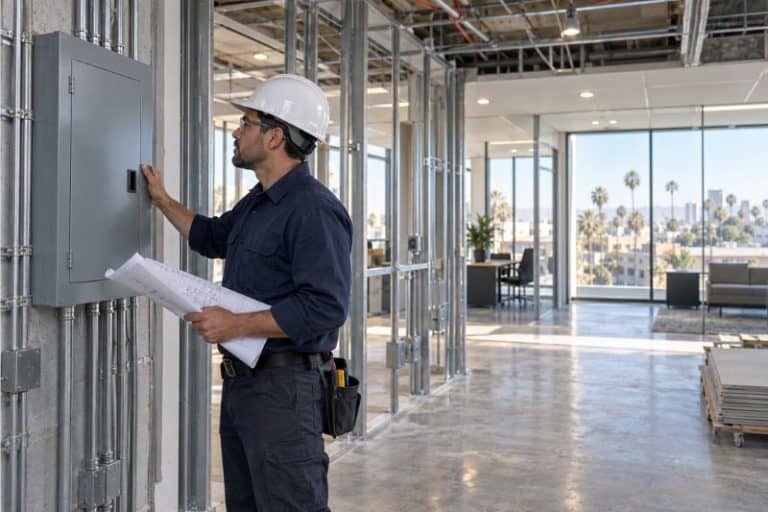
A subpanel is a secondary breaker box connected to the main panel that provides additional circuit capacity for a specific area of the building or a specific set of loads. It does not increase the total power coming into the building from the utility, but it distributes what is available more effectively and allows circuits to be organized and managed in a way that a single main panel may not support when it is at or near capacity.
The most common reason a subpanel is needed in a Los Angeles multi-unit property is that the main panel has no available breaker slots and the building needs to add circuits. EV charging infrastructure is the most frequent current driver of this need. A Level 2 EV charger requires a dedicated 240V circuit drawing 30 to 50 amps continuously for several hours. Adding two or three of these to a building that was designed around a main panel sized for a different era of electrical use is exactly the scenario where a subpanel provides the capacity expansion the project requires without necessitating a full main panel replacement or a service upgrade from LADWP.
Subpanels are also the correct solution when adding circuits for ADUs, expanding common area electrical infrastructure, or providing dedicated power for high-draw commercial tenants in mixed-use buildings. They allow specific loads to be isolated on their own distribution point, which simplifies troubleshooting, makes circuit management more logical, and protects the rest of the building’s electrical system from the load variability that high-draw equipment introduces.
In properties where the main panel is genuinely undersized for the building’s current load, a subpanel is not always the right answer. Sometimes the correct solution is a main panel replacement or a service upgrade that increases the total available amperage at the meter. A load calculation determines which approach is appropriate, and that determination should precede any decision about subpanel installation. RG Electric performs load assessments as the first step for any project where capacity is the question.
How These Upgrades Address Common Property Management Problems
Frequent breaker trips are one of the most common electrical complaints property managers receive from tenants in older Los Angeles buildings. The instinct is often to treat this as a nuisance breaker issue, but repeated trips on the same circuit are the electrical system communicating that the circuit is carrying more than it was designed for. Adding a subpanel that creates dedicated circuits for the high-draw equipment causing the overload addresses the actual problem rather than managing the symptom.
Tenant device damage from power events is another recurring issue in older buildings without surge protection. When a utility event or a large motor startup creates a voltage spike on the building’s circuits, any device without its own surge protection is exposed. In a multi-unit building, this can produce multiple tenant complaints from a single event. Whole-house surge protection installed at the main panel addresses this across all units simultaneously, which is more effective than expecting tenants to individually protect their equipment with plug-in strips.
For property managers in Sherman Oaks, Encino, Van Nuys, and throughout the San Fernando Valley who are planning to add EV charging as a tenant amenity, the combination of a subpanel for charging circuit capacity and surge protection for the charging equipment and the building’s other circuits is a practical approach that addresses both the capacity and the protection dimension of the project together.
Permitting and Compliance
Subpanel installations require LADBS permits and inspections in Los Angeles. This applies regardless of the subpanel size or the scope of the work it supports. The permitting process requires documentation showing the subpanel is appropriately sized for its intended load and that the work meets current NEC requirements. RG Electric manages the permit application, prepares required load documentation, and coordinates the LADBS inspection so the installation produces a documented, compliant record rather than unpermitted work that creates problems during sales, insurance renewals, or due diligence reviews.
Whole-house surge protector installations may or may not require a permit depending on the specific scope and the jurisdiction’s interpretation of the work. RG Electric confirms the permitting requirement before the work begins and handles the application when it is required. The surge protector installation is typically completed in a few hours and does not require the building to be without power for an extended period.
For projects that involve both a subpanel installation and EV charging circuit additions, the full scope of the permitting includes both the panel work and the circuit installations. RG Electric manages this as a single coordinated project rather than treating each element as a separate permitting exercise, which keeps the project timeline efficient and ensures the documentation covers the complete scope of work.
What to Expect From the Installation Process
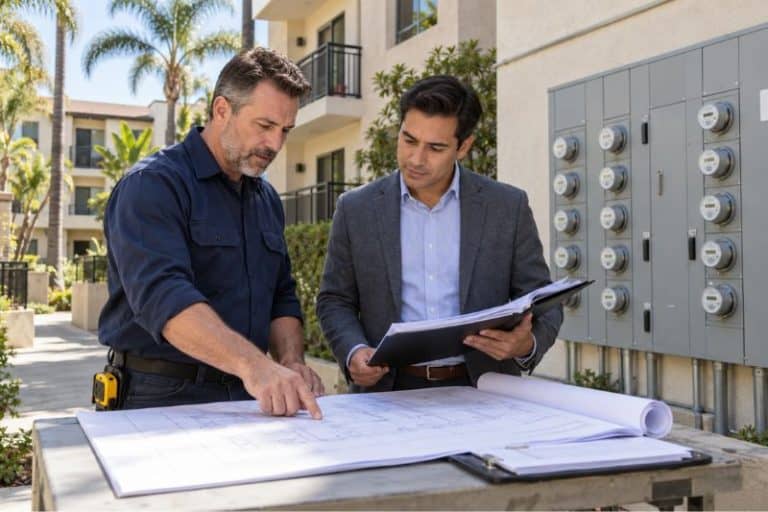
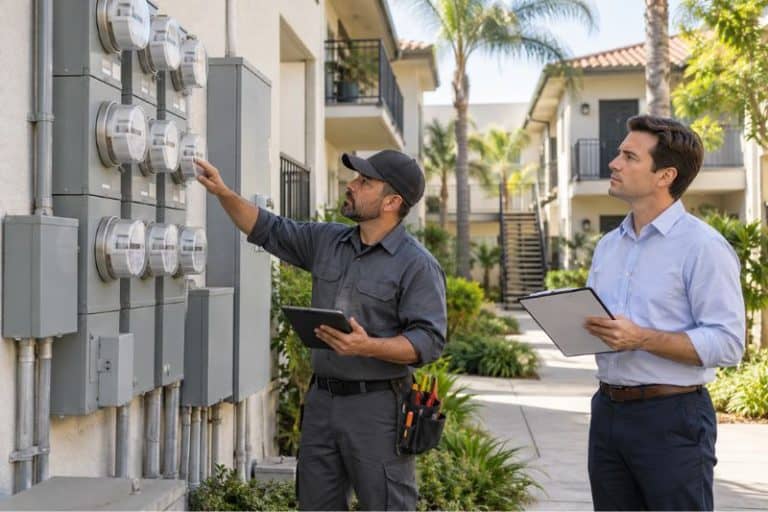
A subpanel installation in a multi-unit building involves routing feeder conductors from the main panel to the subpanel location, installing the subpanel enclosure, and connecting the circuits that will be served from it. The power to the main panel is off during the work on the main panel side, but the duration of that outage is typically a few hours for a straightforward subpanel addition. RG Electric schedules this work in advance and coordinates with the property manager to minimize the impact on occupied units.
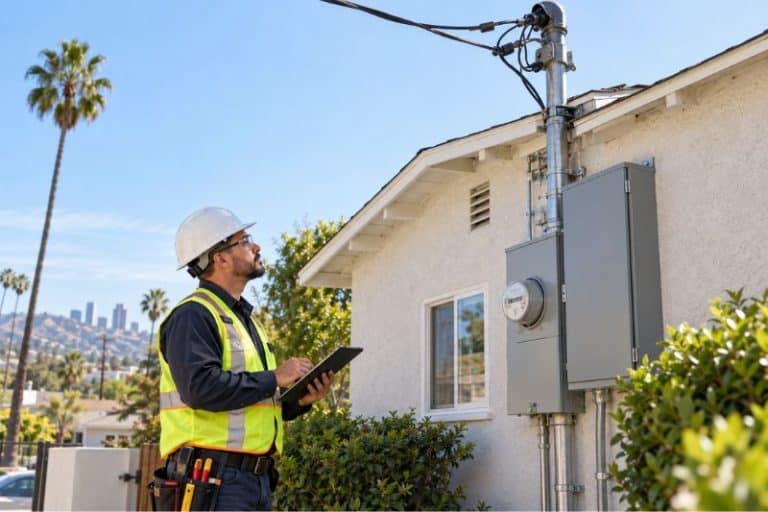
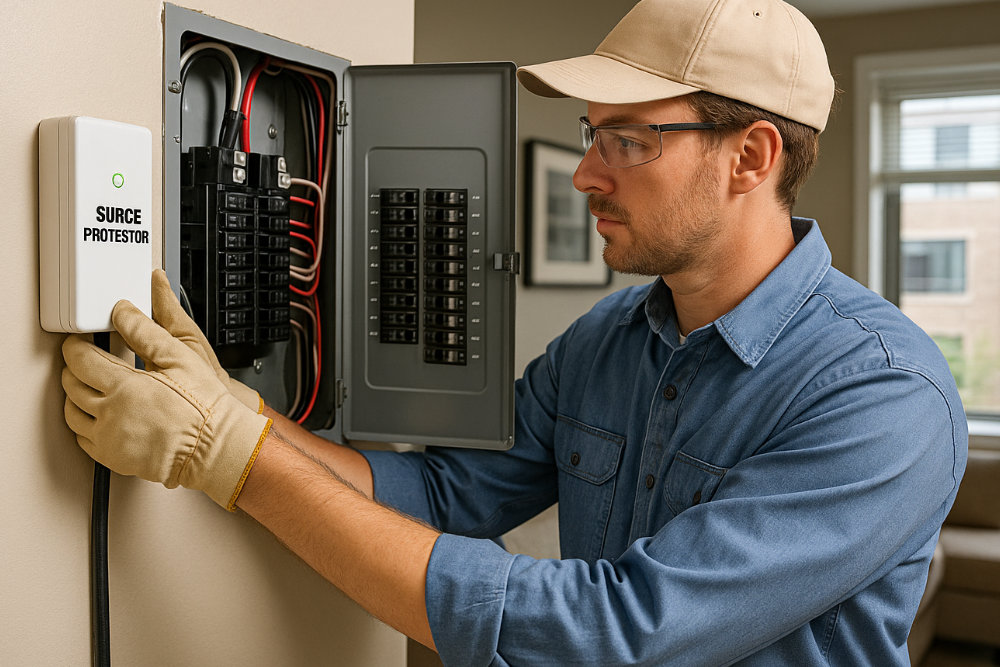
The surge protector installation is simpler. The device mounts at or near the main panel, connects to the panel’s bus bars, and requires only a brief power interruption to complete the installation. For properties receiving both upgrades in the same project, the surge protector installation is typically completed during the same outage window as the subpanel work, minimizing total disruption.
After installation, RG Electric verifies correct operation of the subpanel, confirms the surge protector is functioning, labels all circuits clearly, and provides the documentation needed for the LADBS inspection and any insurance or property management records the owner needs to maintain.
Frequently Asked Questions
What is the difference between a whole-house surge protector and a plug-in surge strip?
A plug-in surge strip protects only the devices connected to that specific outlet. A whole-house surge protector installed at the main panel intercepts voltage spikes before they reach any branch circuit in the building, providing protection for every outlet, appliance, and device throughout the property without requiring individual strips at each location.
When does a property need a subpanel rather than a main panel replacement?
A subpanel is the right solution when the main panel is at or near its breaker slot capacity and additional circuits are needed, but the main panel itself is in serviceable condition and the total service amperage is sufficient for the building’s demand. When the main panel equipment is defective, high-risk, or genuinely undersized for the building’s current load, a main panel replacement is more appropriate. A load calculation determines which situation applies.
Does subpanel installation require a permit in Los Angeles?
Yes. Subpanel installations require LADBS permits and inspections. RG Electric manages the permit application and inspection coordination as part of every subpanel project, ensuring the work produces a compliant documented record.
Can a subpanel support EV charging for multiple units?
Yes, and this is one of the most common applications for subpanel installation in multi-unit properties right now. A subpanel dedicated to EV charging circuits provides the capacity needed for multiple chargers without overloading the main panel and allows the charging infrastructure to be managed and metered separately from the building’s other electrical loads. Our EV charger installation services in Los Angeles cover the full process from load assessment through permit-compliant installation.
How long does a combined surge protector and subpanel installation take?
For a straightforward subpanel addition with surge protector installation completed in the same project, the work typically takes a single day. The power outage to the main panel during installation is scheduled in advance and is usually a few hours. Permitting and the LADBS inspection add time to the overall project timeline, which RG Electric coordinates to keep the total project duration efficient.
Do these upgrades affect insurance coverage?
Surge protection and documented electrical upgrades can be positive factors in insurance underwriting, particularly for older multi-unit properties where the carrier is evaluating electrical risk. RG Electric provides documentation of all completed work that can be provided to insurance carriers as part of a policy application or renewal.
Schedule an Electrical Assessment for Your Los Angeles Property
If your multi-unit building or home is showing signs of electrical strain, if you are planning to add EV charging infrastructure, or if the panel has never been professionally evaluated against the building’s current load, a professional assessment is the right starting point. RG Electric serves properties throughout Los Angeles, including Encino, Sherman Oaks, Van Nuys, Beverly Hills, Santa Monica, Koreatown, Downtown LA, Culver City, Inglewood, Torrance, and the broader San Fernando Valley. Our commercial electrical services in Los Angeles cover the full scope of assessment, subpanel installation, surge protection, permitted upgrades, and inspections for multi-unit and commercial properties of all sizes. For immediate assistance or to schedule a professional evaluation, call RG Electric directly at (323) 521-5131.