
 Call (323) 5215131
Lighting System Failures in Los Angeles Apartment Buildings
Why winter exposes lighting system failures in Los Angeles apartment buildings
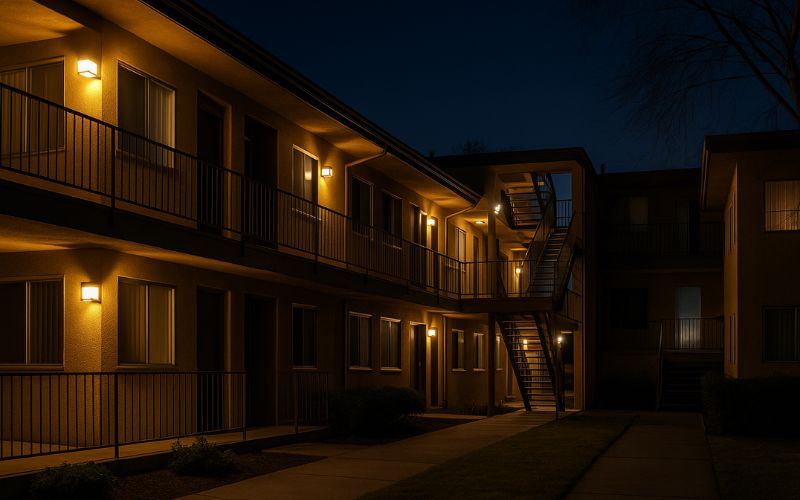
Winter in Los Angeles brings a shift in how apartment buildings use lighting. Even though temperatures stay relatively mild, the shorter days and longer evenings dramatically increase the demand placed on hallway lights, stairwell fixtures, parking garage illumination, and outdoor security lighting. For property managers and building engineers, this seasonal change often reveals lighting issues that stayed hidden during spring and summer. A building’s lighting system suddenly works overtime, and the added demand exposes weaknesses in circuits, fixtures, sensors, and wiring that haven’t been serviced in years.
Increased lighting hours and seasonal load
During winter, lighting remains on for far longer each day. Stairwell lights may stay illuminated for 14 or more hours, compared to the shorter schedules used during summer. Parking garages see steady usage from early evening onward, and exterior walkways may rely on photocell-controlled lighting throughout the night. For older buildings across Los Angeles, this extended operating window puts stress on outdated ballasts, worn fixtures, and aging wiring.
Many apartment buildings were constructed decades ago, well before LED retrofits and high-efficiency lighting technologies became standard. Some of these buildings still depend on fluorescent tubes, outdated magnetic ballasts, or even incandescent exterior fixtures. When these components are forced to run longer during the winter months, they begin to fail more frequently. Tenants report flickering, dimming, or complete loss of lighting in areas that are essential for daily use and safety.
In properties with large garages or multi-level parking structures, lighting demand becomes even more concentrated. Garages often use long runs of circuits that can heat up or lose voltage over time. As winter places more continuous load on those circuits, weak points quickly become noticeable.
How lighting failures impact tenant safety and property operations
Reliable lighting is one of the most critical components of any multi unit building. It affects tenant safety, building accessibility, and daily operations from early morning to late evening. When lights fail in hallways, stairwells, or parking garages, tenants may feel unsafe walking through poorly illuminated areas. Dim or non-functional lighting can increase the likelihood of slip-and-fall incidents, minor accidents, and conflicts in common areas where visibility matters.
Property managers may also receive more complaints during winter, simply because tenants spend more time inside the building after sunset. Areas that appear adequately lit in the summer suddenly feel dim or unsafe in the darker months. Common spaces that were overlooked in warmer seasons become high visibility areas where lighting quality is instantly noticed.
Lighting failures also affect building operations. Security cameras may capture lower-quality footage in dim conditions. Access gates, walkways, and dumpster enclosures become harder to navigate, increasing the potential for operational issues and maintenance headaches. In some cases, dim or flickering lights may even be interpreted as early indicators of broader electrical issues, prompting urgent service requests during a busy season.
Why winter is the peak season for lighting outages in multi unit buildings
Winter exposes lighting vulnerabilities for several reasons. First, lighting usage increases by necessity. Second, older fixtures and wiring age more quickly when kept under strain for long periods. Third, moisture and cooler temperatures can affect outdoor wiring in ways not apparent during summer.
Photocells and motion sensors, common features in Los Angeles exterior lighting, tend to fail more frequently in winter due to extended runtime and exposure to changing weather conditions. Aging photocells may remain stuck in the “on” or “off” position, causing lights to stay illuminated during the day or fail to turn on at night. This not only affects tenant visibility but also increases operating costs.
Outdated fluorescent fixtures, still found in many older apartment buildings, react poorly to cold temperatures. In semi-exposed stairwells or parking garages, these lights may flicker, dim, or fail entirely when temperatures drop at night. LED retrofits reduce these issues, but only if circuits and wiring are updated alongside the fixtures.
For property managers, the winter season often serves as a built-in diagnostic period. The increased demand on lighting systems reveals where improvements are needed and helps prioritize upgrades that enhance safety, reduce liability, and improve tenant experience during the darkest months of the year.
The most common lighting failures found in Los Angeles multi unit properties
Lighting systems in Los Angeles apartment buildings work hard year-round, but winter exposes the weak points that go unnoticed during other seasons. Property managers often begin receiving more work orders in December and January related to flickering hallway lights, unreliable parking garage fixtures, or outdoor lighting that fails intermittently. These issues, while common, often point to deeper electrical concerns involving wiring, breakers, or aging fixtures.
Parking garage lighting outages and voltage drops
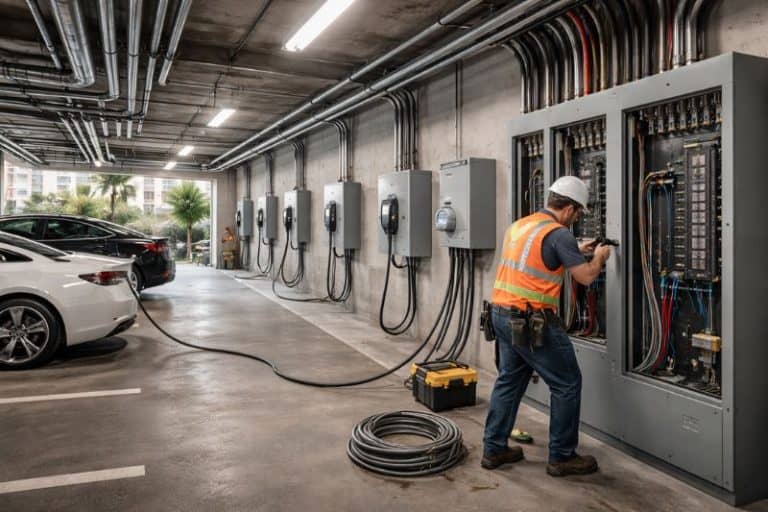
Parking garages place some of the highest consistent electrical demand on lighting systems within multi unit buildings. Long runs of conduit, older wiring, and exposure to moisture can degrade performance over time. In winter, when lighting remains active for longer hours, weaker circuits show signs of stress.
Property managers may notice:
- Lighting dimming in certain areas of the garage
- One or more circuits losing power intermittently
- Fixtures that flicker when garage doors or gate motors activate
- Lighting “cold starts” or delayed illumination earlier in the morning
Voltage drops are especially common in older Los Angeles buildings with aging wiring. When load increases—such as multiple cars entering or security equipment activating—circuits may struggle to maintain consistent voltage. This disrupts lighting performance and can trigger emergency electrical service needs.
When parking garage lighting becomes unreliable, property managers often depend on emergency electrical repairs in Los Angeles to get circuits stabilized quickly.
Stairwell and corridor lighting failures
Stairwells and corridors operate on continuous lighting schedules for safety and habitability. Winter pushes these circuits harder because the lights remain on longer and are often wired into older breaker panels that were never designed for high-efficiency upgrades. A single failing fixture can sometimes disrupt other lights on the circuit, especially in aging buildings.
Common tenant complaints in winter include:
- Lights flickering in stairwells
- Entire stretches of hallway lighting shutting off
- Motion-sensor lights failing to trigger promptly
- Lights that buzz, hum, or operate at reduced brightness
Some of these issues point to failing ballast equipment or outdated lighting technologies. Others indicate deeper issues with circuit loads or wiring integrity. When these problems appear repeatedly, a property manager may need to schedule commercial electrical services in Los Angeles, such as those available at:
https://www.rgelectric.net/commercial-electrical-services-in-los-angeles/
Exterior lighting problems caused by aging wiring or overloaded circuits
Exterior lighting systems—including walkway lights, courtyard fixtures, carport lighting, and building perimeter lighting—are exposed to cooler temperatures and moisture in winter. Even in Los Angeles, condensation and light rainfall can trigger failures when wiring or junction boxes have deteriorated.
Additionally, many properties upgraded to LED lighting without updating older wiring or evaluating circuit load distribution. While LEDs reduce energy demand, they can also reveal hidden wiring issues by drawing less current than the circuits were originally designed to carry.
Symptoms property managers see include:
- Lights that fail to turn on or shut off at the correct times
- Photocells stuck in the “on” or “off” position
- Inconsistent lighting across walkways
- Tripping breakers when exterior lights activate
When circuits serving exterior lighting repeatedly malfunction, the root cause is often aging wiring. Wiring services in Los Angeles—available at https://www.rgelectric.net/wiring-services-in-los-angeles/—help identify issues related to moisture intrusion, outdated conductors, or overloaded circuits.
When it’s time for a more modern lighting solution, property managers sometimes rely on indoor lighting installation services at https://www.rgelectric.net/indoor-lighting-installation-services-in-los-angeles/ or outdoor lighting installation services at https://www.rgelectric.net/outdoor-lighting-installation-services-in-los-angeles/ to ensure long-term performance and code compliance.
Winter is when these issues become most visible, making it the ideal season for property managers to evaluate system performance and plan for future upgrades.
How lighting failures affect tenant safety, liability, and habitability
Lighting failures in apartment buildings affect far more than visibility. For Los Angeles property managers, poor or unreliable lighting can create safety risks, increase liability exposure, and generate tenant dissatisfaction. During winter, when lighting plays a central role in everyday access and security, these problems become even more significant.
Poor visibility and slip or fall risks
Lighting is one of the most essential safety features in apartment buildings. Hallways, stairwells, walkways, and garage areas must remain well illuminated for tenants to navigate comfortably. When lights flicker or fail, visibility drops sharply. Tenants may not see uneven steps, wet surfaces, or obstacles in their path.
In stairwells, even a single failed fixture can make entire sections feel unsafe or difficult to use. Property managers are often surprised to learn how quickly a small lighting failure can escalate into habitability complaints, especially during winter months when tenants use common areas more frequently after dark.
Security lighting failures in entries and parking lots
Security lighting plays a critical role in tenant peace of mind. Entry points, parking garages, stairwells, laundry rooms, and mail areas all depend on consistent lighting to deter trespassers and support security camera performance. Dim or inactive lighting can create shadows that reduce visibility and affect how effectively cameras record activity.
In some cases, tenants may avoid certain areas after dark because the lighting feels unreliable or unsafe. Winter increases these concerns because darkness arrives earlier in the day, and lighting failures become more noticeable during evening hours when residents are returning from work.
Tenant complaints, insurance issues, and regulatory compliance concerns
Lighting failures also influence the administrative side of property management. Tenant complaints tend to increase when lights flicker, fail to turn on, or provide inconsistent brightness. These recurring issues can place strain on maintenance teams and require more frequent service calls.
Additionally, many insurance carriers evaluate lighting performance when assessing liability risk, particularly in areas such as:
- Parking garages
- Exterior pathways
- Stairwells
- Elevator lobbies
- Trash enclosures
Inadequate lighting can be viewed as a contributing factor in accidents or security incidents, which may affect coverage or claims.
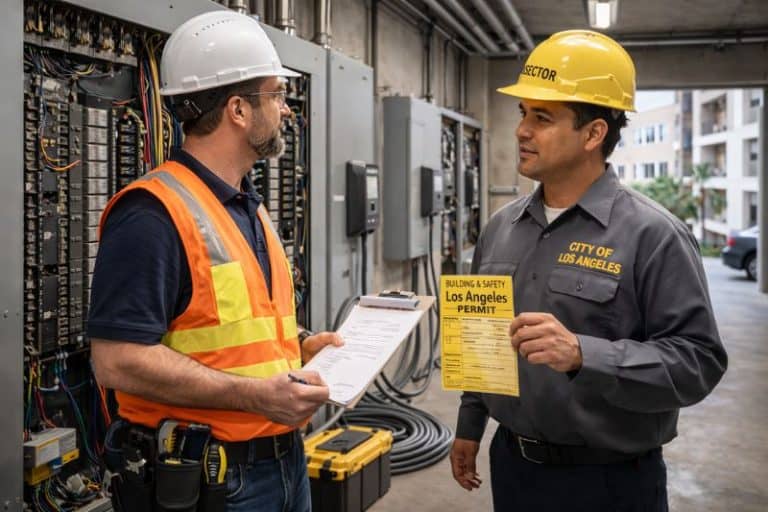
Los Angeles building and safety codes also require sufficient lighting in residential common areas, especially in emergency egress pathways. When lighting fails in these areas, property managers must address the issue promptly to maintain compliance and ensure residents can exit safely in an emergency.
Winter lighting failures aren’t just an inconvenience, they have real implications for safety, liability, and tenant satisfaction. Recognizing their impact helps property managers prioritize lighting system health as a core part of winter property readiness.
What a winter lighting system assessment includes
A winter lighting assessment gives property managers a clear picture of how well an apartment building’s lighting infrastructure is handling the seasonal increase in demand. Because lighting systems operate longer hours in December and January, an assessment performed during this time captures issues that might stay hidden during summer. This makes winter one of the most accurate and helpful seasons for evaluating a building’s lighting stability.
Circuit load checks and breaker evaluations
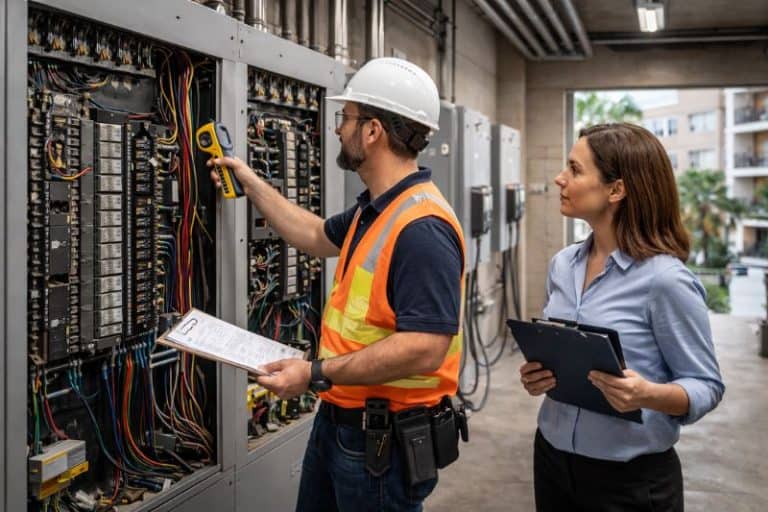
Lighting circuits in multi unit buildings are often spread across long runs that feed garages, stairwells, and hallways. During winter, these circuits remain energized for extended periods, which increases both heat and load. A winter assessment evaluates whether breakers are holding steady under sustained operation or showing signs of wear, heat damage, or voltage inconsistency.
Electricians test each lighting circuit under real winter conditions, verifying that breakers are rated correctly and that no circuit is carrying more load than it should. If breakers show signs of fatigue or inconsistent tripping, the assessment documents the issue and recommends corrective steps before peak winter usage strains the system further.
Fixture, sensor, and photocell testing
Many lighting failures stem not from wiring or breakers but from aging fixtures, malfunctioning sensors, or photocells that no longer detect daylight accurately. A winter lighting assessment includes a full review of each component that controls when lights turn on, how long they operate, and how consistently they illuminate.
Electricians test:
- Occupancy sensors in stairwells, garages, and laundry rooms
- Photocells controlling exterior walkway lights and building perimeter fixtures
- Emergency lights that must activate when circuits fail
- Older fluorescent fixtures prone to cold-start issues in semi-exposed areas
Testing these components during winter ensures that they operate correctly under real nighttime conditions, not just during daytime inspections when issues are less visible.
Testing emergency and egress lighting required for apartment buildings
Los Angeles code requires that emergency and egress paths remain properly illuminated, even during outages or partial circuit failures. Winter increases reliance on these systems because tenants spend more time moving through common areas after dark. A lighting assessment verifies that:
- Battery-backed emergency lights activate properly
- Egress signage remains fully lit
- Backup systems engage when circuits are interrupted
- Lighting levels meet safety expectations in corridors and stairwells
Emergency and egress lighting systems often reveal their weaknesses during winter because their batteries and components work harder and longer. Ensuring these systems operate correctly is one of the most critical parts of the seasonal assessment.
A winter lighting system assessment ultimately helps property managers understand exactly where their lighting infrastructure stands and what upgrades or repairs are needed to maintain safe, reliable illumination throughout the season.
Winter-ready lighting upgrades for multi unit buildings
Upgrading lighting systems in winter helps stabilize performance and reduce outages during the season when they are used the most. Property managers often discover that a few targeted improvements can drastically improve visibility, safety, and electrical efficiency across the building. These upgrades also support long-term reliability as the electrical infrastructure ages.
LED conversions and reduced load on older circuits
LED lighting continues to be one of the most cost-effective and beneficial upgrades for multi unit properties. LEDs draw significantly less power than fluorescent or incandescent fixtures, reducing strain on circuits that may already run close to their limits during winter. Lower power draw means circuits operate cooler, breakers last longer, and voltage remains more stable during peak usage hours.
Beyond efficiency, LEDs offer immediate visual benefits. Hallways feel brighter, stairwells are easier to navigate, and parking garages become more uniformly lit. This improved illumination directly supports tenant comfort and reduces winter-related complaints.
Smart occupancy controls and photocell improvements
Modern lighting controls can dramatically improve system performance in winter. Occupancy sensors ensure that lights activate immediately when tenants enter stairwells or hallways, even during late evening hours. This improves safety and reduces the chance of tenants walking into dimly lit areas.
Upgrading photocells for exterior lights ensures that illumination aligns correctly with seasonal sunset times. Older photocells may activate too early, remain stuck on during the day, or fail to turn lights on when darkness falls. Replacing or recalibrating these devices helps maintain consistent lighting patterns throughout winter.
Smart controls also support long-term energy efficiency, reducing unnecessary runtime and extending the life of fixtures.
Weather-resistant fixtures for exterior stairwells and walkways
Winter moisture, cooler night air, and exposure to the elements can degrade exterior fixtures over time. In older Los Angeles apartment buildings, many outdoor stairwell and walkway lights were installed decades ago and no longer meet modern durability expectations.
Upgrading to weather-resistant fixtures ensures that lights remain reliable throughout winter and beyond. These fixtures typically provide:
- Better protection against condensation
- Improved sealing around wiring
- Longer service life
- Stability in cooler nighttime temperatures
For property managers, upgrading exterior fixtures helps prevent recurring outages that often appear in winter and ensures that walkways, entries, and common outdoor areas remain safe and well-lit.
Winter lighting upgrades aren’t just about solving immediate issues, they also reduce long-term maintenance demands and help the building operate more reliably throughout the year.
How property managers can prevent recurring lighting outages
Recurring lighting outages can frustrate tenants, increase liability, and consume far more maintenance time than they should. Winter is when these patterns become most noticeable, making it the perfect season for property managers to take a proactive approach. Preventing repeated lighting failures is not just about replacing bulbs or fixtures; it’s about understanding the system as a whole and implementing habits that keep lighting stable all year.
Creating a seasonal lighting maintenance plan
A seasonal maintenance plan helps property managers stay ahead of outages before they affect tenants. Winter and early spring are ideal times to perform targeted inspections, especially in older Los Angeles buildings where lighting circuits run long distances and may be more susceptible to voltage changes.
A good maintenance plan includes:
- Regular walkthroughs of stairwells, garages, and corridors
- Checking for dimming, flickering, or slow-starting fixtures
- Inspecting photocells and sensors under real nighttime conditions
- Verifying that lights activate at consistent times
- Noting which circuits experience repeated outages
By observing lighting performance during winter, property managers can establish a baseline for how systems behave under seasonal load. This information is invaluable when scheduling repairs or planning larger improvements.
Tracking patterns in tenant reports
Tenant feedback often reveals patterns that may otherwise go unnoticed. Repeated work orders from the same area—such as a particular stairwell or walkway—can indicate deeper electrical issues such as:
- Weak or failing ballasts
- Worn wiring in conduit
- Circuit overloads
- Aging fixtures that behave inconsistently
Winter tends to concentrate these reports because lighting remains active for longer periods and failures become more visible and disruptive. Keeping a record of complaint frequency and matching it with circuit locations helps prioritize which areas require immediate attention and which may benefit from long-term upgrades.
Budgeting for long-term lighting improvements in 2025
Many Los Angeles properties built before the 1990s still rely on lighting infrastructure that was not designed to handle modern load patterns. Budgeting for upgrades well ahead of time allows property managers to:
- Replace outdated fixtures in phases
- Add new lighting controls where needed
- Modernize exterior and garage lighting
- Reduce long-term operational costs
- Minimize tenant disruptions
Winter provides a clear perspective on the real performance of lighting systems. Planning budgets during this season helps ensure money is allocated where it is most impactful, whether the property needs LED conversions, new photocells, or full rewiring of high-demand circuits.
Taking a proactive approach helps prevent the recurring outages that often define older multi unit properties and supports a smoother maintenance schedule throughout the year.
Scheduling winter lighting repairs and upgrades with RG Electric
As winter places more pressure on apartment building lighting systems, scheduling repairs and upgrades becomes essential for maintaining tenant safety and property operations. Lighting failures are far more than inconveniences; they influence security, usability, and compliance. Ensuring these systems work reliably is one of the most important responsibilities a property manager can fulfill during the winter months.
What property managers should prepare
Before contacting an electrician for winter lighting work, property managers can gather a few pieces of information to streamline the process. This includes:
- Areas where lighting outages occur most frequently
- Times of day when failures are most noticeable
- Whether issues involve flickering, dimming, or full outages
- Notes on any recent weather-related problems
- Tenant reports that indicate repeated trouble spots
Having this information ready helps the electrician diagnose lighting issues more efficiently, whether they involve fixtures, controls, wiring, or circuit loads.
How RG Electric performs lighting assessments and commercial repairs
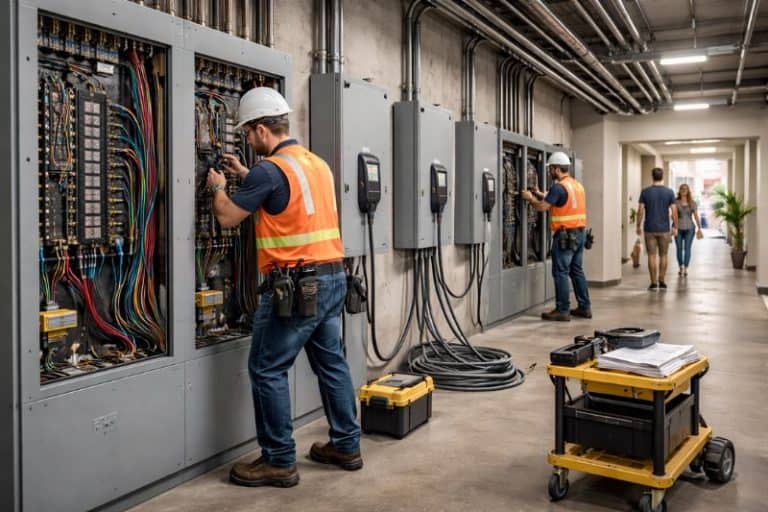
RG Electric provides lighting assessments specifically designed for multi unit properties in Los Angeles. The process begins with a full survey of lighting systems under real operating conditions. Electricians observe lighting behavior during evening hours, test sensors and photocells, and evaluate circuits for voltage stability and breaker performance.
If weaknesses are found, RG Electric provides a clear plan detailing which repairs are needed immediately and which upgrades can be scheduled proactively. These services help reduce outages, improve safety, and support long-term reliability throughout the property.
Common solutions include:
- Replacing aging fixtures
- Upgrading to LED lighting
- Installing new sensors or photocells
- Correcting wiring issues
- Resolving circuit overloads
- Improving lighting uniformity across common areas
Each upgrade is designed to improve visibility, reduce maintenance burdens, and support the safety of tenants during winter and beyond.
Schedule your winter lighting repairs
Winter is the ideal time for property managers to take control of lighting performance. Issues that appear during this season often reveal underlying electrical concerns that should be addressed before they escalate. A well-lit building supports tenant comfort, protects the property from liability, and ensures common areas remain safe and secure.
Call RG Electric at (323) 521-5131 or request a free estimate at
https://www.rgelectric.net/contact-us/
to schedule your winter lighting assessment or repair service.
Electrical work is hazardous. Consult a licensed electrician like RG Electric for inspections, permits, and code compliant installations.