
 Call (323) 5215131
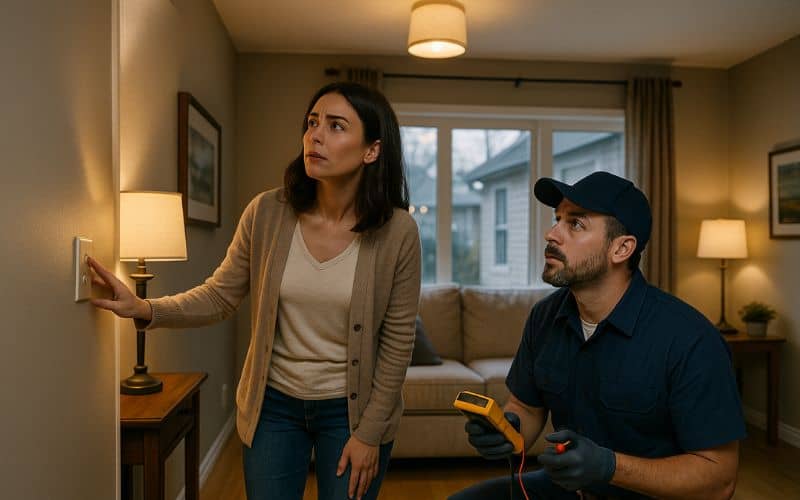
Preventing Winter Electrical Hazards in Los Angeles Homes
Why winter increases electrical hazards for Los Angeles homeowners
Winter in Los Angeles may not bring snowstorms or sub-zero temperatures, but electrical usage still rises significantly between December and February. Shorter days, cooler evenings, and the steady rhythm of holiday gatherings all contribute to increased strain on residential electrical systems. For many homeowners, this is the season when hidden electrical weaknesses become noticeable, and small issues that seemed manageable during summer begin turning into hazards. Understanding why electrical risks increase during winter helps homeowners prepare their systems for safer, more reliable performance.
More indoor hours and heavier circuit load
As evenings arrive earlier, families spend more time indoors. Lights are used for longer periods, kitchen appliances run more frequently during holiday cooking, and televisions, space heaters, and entertainment devices increase the demand on circuits. Even small electrical additions, such as plugging in multiple devices in a home office or using portable heaters, can push older electrical systems closer to their limits.
Many Los Angeles homes were built decades ago, and while they may include modern fixtures, the underlying circuits often remain tied to older panels and wiring. Winter reveals the mismatch between current household lifestyles and the electrical systems supporting them. Breakers that didn’t trip during summer may start shutting off more frequently, lights may flicker when appliances are used, and outlets may feel warm to the touch. These symptoms often indicate circuits carrying more load than they’re safely able to handle.
Added holiday lighting and appliance use
Holiday lighting is one of the biggest contributors to winter electrical strain. Even with the rise of efficient LED light strings, the cumulative effect of indoor décor, exterior lighting, window displays, and extension cords can push circuits to their limits. Homeowners sometimes plug multiple lighting strings into a single outlet, unaware that the circuit behind it may already support several rooms or major appliances.
In Los Angeles neighborhoods with older homes, holiday lighting can expose wiring that has deteriorated over time. Outdoor outlets may lack the proper weather protection or GFCI safety features, making them more vulnerable during winter evenings when moisture and condensation are more common. With many households decorating earlier and keeping lights on longer, winter quickly becomes the season when overloaded outlets, tripped breakers, and outdoor lighting failures become routine.
Why LA’s mild climate still creates winter electrical risks
Los Angeles may avoid extreme winter weather, but mild conditions do not eliminate electrical hazards. In coastal and valley neighborhoods, cooler evening air increases moisture levels, which can affect outdoor outlets, lighting fixtures, and extension cords. Homes without updated outdoor weatherproofing often experience GFCI trips, corrosion in outlet covers, or intermittent lighting failures.
Meanwhile, interior systems face their own winter pressures. Space heaters—whether used occasionally or daily—are one of the most demanding appliances a homeowner can plug in. They draw significant wattage, and when used alongside holiday cooking, entertainment systems, and lighting, they can overload circuits that are already taxed.
Even homes with modern appliances can struggle if the underlying electrical system hasn’t been updated in years. Winter is simply the time when these weaknesses become most visible. Homeowners may notice:
- Lights dimming when heaters turn on
- Outlets making popping or crackling sounds
- Breakers tripping during family gatherings
- Outdoor outlets failing intermittently
- Holiday lighting causing unexpected flickering indoors
Los Angeles homeowners often associate electrical risk with summer air-conditioning season, but winter quietly brings its own challenges. Understanding these seasonal patterns helps homeowners stay proactive and ensures their electrical system is ready for the months ahead.
The most common winter electrical hazards in Los Angeles homes
Winter puts increased pressure on electrical systems even in a city with mild weather like Los Angeles. Families use more appliances indoors, rely on lighting longer each day, and plug in additional devices that aren’t used throughout the rest of the year. This shift often exposes weaknesses in older electrical systems, and homeowners begin experiencing issues that only appear during December, January, and February. Understanding the most common winter hazards helps homeowners recognize when their system is showing signs of stress.
Overloaded outlets and breakers
One of the most frequent winter electrical hazards is overloaded outlets. Holiday décor, space heaters, air fryers, slow cookers, gaming systems, and additional lighting all pull power from circuits that may already support multiple rooms. In older homes, a single circuit might supply an entire living area, leading to tripped breakers or warm outlet covers when homeowners unknowingly overload it.
Over time, repeated overloads can weaken breakers or damage wiring behind the walls. When homeowners begin experiencing repeated trips, flickering lights, or warm outlets, they may need help from electrical repairs services in Los Angeles, found at:
https://www.rgelectric.net/electrical-repairs-services-in-los-angeles/
If breakers trip frequently during winter gatherings or whenever certain appliances are plugged in, it may also signal deeper issues with the home’s breaker system. Homeowners often rely on circuit breakers services in Los Angeles to diagnose these issues at:
https://www.rgelectric.net/circuit-breakers-services-in-los-angeles/
Space heater and heating appliance issues
Space heaters are one of the biggest contributors to winter electrical hazards. Even though Los Angeles winters are mild, many homeowners use portable heaters during the evenings or early mornings. These devices require a significant amount of power, often more than what older circuits were designed to support.
When a space heater shares a circuit with:
- Kitchen appliances
- Televisions
- Computers or gaming devices
- Holiday lighting
- Vacuum cleaners
…that circuit can overload quickly. This creates conditions that cause tripping breakers, flickering lights, hot outlets, and in some cases, scorched plugs or melting around outlet openings.
Space heaters should never be plugged into extension cords or multi-outlet adapters, yet many homeowners do so without realizing the hazard. Winter becomes the season when these unsafe practices create visible electrical strain and increase the risk of overheating.
GFCI failures in kitchens, baths, and exteriors
GFCI outlets are essential for safety in areas with moisture exposure, including kitchens, bathrooms, garages, and outdoor spaces. In winter, these outlets experience more demand due to holiday cooking, bathroom heater usage, and outdoor décor. When GFCIs fail, they either trip repeatedly or fail to reset, leaving homeowners without power in key areas.
Cold evening air combined with moisture can cause outdoor GFCIs to trip more frequently. Many homeowners contact electrical switches and outlets services in Los Angeles, available at:
https://www.rgelectric.net/electrical-switches-and-outlets-in-los-angeles/
to evaluate outlets that trip every time lights or appliances are connected.
If the underlying issue goes beyond the outlet itself, wiring services may be required, such as:
https://www.rgelectric.net/wiring-services-in-los-angeles/
GFCI problems are often early signs of deeper electrical issues that become more noticeable in winter due to cool temperatures, increased humidity, and heavier circuit loads.
Holiday lighting concerns unique to Los Angeles homes
Holiday lighting brings beauty and excitement to neighborhoods across Los Angeles, but it also introduces seasonal electrical hazards that many homeowners overlook. Because LA homes range widely in age and construction style, from 1920s bungalows to 2000s subdivisions, electrical systems vary dramatically. Holiday lighting tends to expose the limitations of older wiring, outdated outlets, and overloaded circuits.
Older wiring versus modern LED loads
Many homeowners assume LED holiday lighting strings eliminate electrical hazards because they use less energy. While LEDs are safer than older incandescent strands, they can still cause issues when connected to circuits with aging wiring or outdated panels. Older homes may have wires that have become brittle, poorly insulated, or undersized for today’s electrical demands.
When multiple LED sets are daisy-chained together, or when they’re added to a circuit already supporting televisions, lamps, and household electronics, the wiring behind the walls can still experience stress. Even low-wattage devices add up, and the increased runtime during winter evenings reveals flaws that may not appear during summer.
Outdoor lighting in coastal humidity
Los Angeles neighborhoods near the coast, such as Santa Monica, Venice, and the South Bay, experience higher moisture levels during winter evenings. Even inland areas like Pasadena and the San Fernando Valley see cooler air, dew, and condensation after sunset. This moisture creates ideal conditions for outdoor lighting failures, especially when:
- Extension cords are not rated for outdoor use
- Outlets lack proper weatherproof covers
- Light strings connect through multi-outlet adapters
- Older exterior fixtures allow moisture intrusion
Moisture can cause outdoor GFCIs to trip, light strings to flicker, or outlets to stop working entirely. Holiday lighting often reveals these issues quickly because it is used nightly for extended periods during the season.
Why multi-outlet adaptors cause winter failures
During the holidays, homeowners often use multi-outlet adapters or “cube taps” to plug several decorations into a single outlet. These devices are not designed to carry heavy cumulative loads and can cause overheating, warping, or complete outlet failure. They may temporarily support several light strings, but winter runtime exposes their weaknesses.
Even when the adaptors themselves remain intact, the wiring behind the outlet may overheat. In older Los Angeles homes built with cloth-insulated wiring or early-generation copper, the risk increases significantly.
Improper use of multi-outlet adapters is one of the most common causes of holiday-related breaker trips, warm outlet covers, and intermittent lighting failures. Homeowners frequently underestimate how quickly these devices can overload a circuit, especially when used alongside space heaters or kitchen appliances.
Holiday lighting adds joy and appeal to a home, but it also introduces seasonal demands that highlight electrical problems the rest of the year might hide. Being aware of these winter-only hazards helps homeowners use lighting safely and protect their electrical systems throughout the holiday months.
How outdated electrical panels contribute to winter hazards
Older electrical panels already face challenges during normal usage, but winter conditions amplify those weaknesses. Shorter days, increased indoor activity, and heavier seasonal loads all reveal how well a panel can handle the demands of a modern Los Angeles home. When a panel is outdated, underpowered, or built by a discontinued manufacturer, even a modest winter increase in electrical usage can expose serious risks.
Zinsco, FPE, Pushmatic, and Challenger challenges
Many Los Angeles homes still operate with electrical panels from brands that have long been discontinued due to safety and reliability issues. Panels such as Zinsco, Federal Pacific Electric (FPE), Pushmatic, and Challenger are known for failing to trip during overload conditions, one of the most dangerous electrical hazards any homeowner can encounter.
During winter, when space heaters, lighting, kitchen appliances, and holiday devices run simultaneously, these outdated panels are placed under extreme pressure. Instead of shutting power off when circuits overload, some older breakers remain stuck in the “on” position, allowing wiring to overheat. This can lead to scorched breakers, melted bus bars, or wiring failures that only occur when seasonal loads reach their peak.
When homeowners begin seeing flickering lights, partial power drops, or circuits that seem “slow” to respond during winter evenings, it often signals deeper issues inside an aging or defective panel.
Aging breakers under holiday load
Even if the panel itself is not a discontinued brand, aging breakers become less reliable over time. Breakers are designed to protect wiring by tripping when an overload occurs. However, older breakers may trip too easily, not at all, or only after extended strain. Winter reveals these inconsistencies because the electrical system is working harder and for longer hours.
For example:
- A breaker that handled summer appliance use might begin tripping nightly once holiday lights and indoor heaters are added.
- A breaker that has weakened over time may trip under loads it once handled without issue.
- A breaker that fails to trip during an overload may cause outlets or wiring to overheat.
This is why winter is often the season when homeowners realize their electrical panel is no longer keeping up with modern household demands.
When winter performance indicates panel replacement
A panel does not need to be visibly damaged to signal the need for replacement. Winter performance reveals patterns that point toward panel fatigue, including:
- Breakers that trip frequently during evening hours
- Outlets or switches that feel warm to the touch
- Flickering lights when heaters or appliances activate
- A burning smell near the panel or outlets
- Breakers that fail to reset or feel loose
- Partial outages in individual rooms
Homeowners may also notice that power distribution feels uneven, such as lights dimming in one part of the home when another appliance turns on. These symptoms are early indicators that the panel is struggling to regulate load during the highest-demand season of the year.
Because Los Angeles homes vary widely in age and electrical configuration, winter offers the most accurate snapshot of how effectively a panel is protecting the home. If problems appear consistently in December through February, a panel upgrade may be necessary to ensure year-round safety and reliability.
Winter-ready electrical safety upgrades for LA homes
Winter is the ideal time for homeowners to strengthen their electrical systems and reduce seasonal hazards. Many of the most impactful upgrades are straightforward improvements that significantly increase safety, efficiency, and peace of mind. These upgrades help prevent winter outages, reduce strain on older wiring, and support safe operation of holiday lighting and seasonal appliances.
GFCI, AFCI, and surge protection
GFCI outlets are essential for preventing shock hazards in moisture-prone areas such as bathrooms, kitchens, garages, and outdoor spaces. During winter, condensation, rain, and heavy appliance use make properly functioning GFCIs especially important. Upgrading older outlets to modern GFCI protection ensures that circuits shut off quickly during unsafe conditions.
AFCI protection adds another layer of safety by detecting arc faults, dangerous electrical discharges that can occur when wiring becomes damaged or loose behind the walls. These faults are more likely to occur on circuits stressed by winter loads.
Whole-house surge protection provides additional security during the holiday months. Winter storms, faulty appliances, and overloaded circuits can all contribute to brief but powerful surges that damage electronics and weaken wiring over time. Surge protection helps prevent costly damage and keeps household systems operating more consistently during seasonal peaks.
Outdoor outlet improvements
Outdoor outlets endure the harshest conditions during winter. Rain, humidity, and temperature drops can cause older or improperly protected outlets to trip repeatedly or fail altogether. Upgrading to weather-resistant outlets with modern in-use covers helps prevent moisture-related hazards and ensures that holiday lighting or outdoor appliances operate safely.
In many Los Angeles homes, exterior outlets were installed long before today’s weatherproofing standards. Replacing these outlets improves both safety and reliability, especially when homeowners rely on them more frequently during the holiday season.
LED retrofits and safer lighting strategies
Lighting is one of the simplest but most effective winter upgrades. LED lights offer consistent performance, reduced heat production, and significantly lower electrical demand compared to older bulbs. Upgrading both interior and exterior lighting helps lighten the load on older circuits and reduces flickering, dimming, and overload-related issues.
Homeowners with older homes often notice immediate improvements when converting from incandescent or halogen fixtures to LED versions. Circuits operate cooler, breakers experience less stress, and lighting becomes more uniform throughout the home.
Some homeowners also upgrade to safer lighting strategies, such as plugging holiday décor into smart timers, using dedicated circuits for high-demand lighting setups, or replacing outdated fixtures that intermittently fail in cooler weather.
Winter-ready upgrades do more than prepare the home for December and January, they help create a safer electrical system that performs consistently throughout the year. These improvements reduce the likelihood of seasonal emergencies and help homeowners enjoy the winter months with greater confidence in their electrical infrastructure.
How homeowners can identify early warning signs of winter electrical trouble
Winter is often the season when homeowners begin noticing subtle but important changes in how their electrical system behaves. These early warning signs can reveal issues with circuits, outlets, panels, or wiring that went unnoticed throughout the year. Recognizing these patterns helps homeowners address problems before they grow into safety hazards or full outages during the coldest months.
Flickering lights, warm outlets, and unexplained dimming
Flickering lights are one of the most common signs that an electrical system is under stress. While a single flicker may not be cause for concern, repeated flickering, especially when appliances or space heaters turn on—often indicates a circuit reaching its limit. In older Los Angeles homes, lighting circuits may share pathways with multiple rooms, causing lights to dim or brighten based on load fluctuations.
Warm or hot outlets are another clear warning sign. If an outlet feels warmer than the surrounding wall, or if a plug becomes hot after being connected for a short time, the circuit may be overloaded or the wiring may be wearing down. Winter amplifies this issue because more devices remain plugged in for longer periods.
Homeowners should also pay attention to lights that dim every time a heater, microwave, or hair dryer is used. These symptoms are signs of load imbalance and may indicate that circuits were never designed for modern electrical demand.
Seasonal patterns and what they mean
Seasonal changes reveal electrical problems that remain hidden during summer. When the days grow darker earlier, homeowners rely more heavily on lighting, kitchen appliances, and entertainment devices. If breakers begin tripping only in winter, or if outlets behave differently during evening hours, it typically points to circuits operating closer to their capacity limits.
Outdoor outlets may trip more frequently because of moisture in the air, especially in coastal neighborhoods or areas with heavy morning dew. Homeowners may also notice outdoor lights flickering or failing when temperatures drop at night, signaling older wiring or poor weather protection.
Another common seasonal symptom is partial power loss in specific rooms. When part of a home loses power but the rest remains unaffected, it can indicate a weakening breaker or deteriorating wiring segment that only becomes unstable under winter load.
When it is time to call a licensed electrician
While homeowners can observe electrical symptoms, diagnosing the root cause requires professional evaluation. A licensed electrician should be contacted if any of the following occur:
- Breakers trip repeatedly during normal winter activity
- Outlets or switches feel warm or produce buzzing sounds
- Lights dim significantly when appliances turn on
- Outdoor outlets fail every time holiday lighting is used
- A burning or metallic smell comes from any outlet or panel
- Part of the home loses power unexpectedly
- GFCI outlets refuse to reset or trip constantly
Winter is not the season to ignore electrical issues. Many problems that appear small, like flickering lights or a single warm outlet, can point to deeper concerns that worsen under seasonal strain. Prompt action helps prevent outages, reduces hazard risk, and protects the home’s electrical infrastructure during the months when it is used the most.
Scheduling winter electrical services with RG Electric
As electrical systems work harder during the winter months, scheduling professional service becomes essential for maintaining safety, comfort, and reliability. Winter electrical issues rarely resolve on their own, and homeowners benefit from addressing problems early before they disrupt holiday gatherings or daily routines. RG Electric provides homeowners across Los Angeles with seasonal expertise to diagnose and correct winter-specific electrical concerns.
What homeowners should prepare
Before scheduling winter electrical services, homeowners can gather helpful information that allows the electrician to assess the home’s needs efficiently. This includes:
- Descriptions of recent electrical symptoms
- Areas of the home where issues occur repeatedly
- Notes about when problems are most noticeable (evening, morning, wet weather)
- Any new appliances, heaters, or lighting recently added
- Whether holiday decorations or outdoor lighting are involved
Providing this context helps the electrician determine whether circuits are overloaded, outlets are deteriorating, or the panel is showing signs of age.
Homeowners should also ensure that access to the electrical panel is clear and that outdoor outlets or fixtures involved in the issue are easy to inspect. These small steps help the evaluation process run smoothly.
How RG Electric diagnoses winter electrical hazards
RG Electric specializes in identifying seasonal load issues, aging wiring concerns, and panel problems that become more visible during winter. When scheduling a service call, homeowners receive a thorough evaluation that may include:
- Testing circuit capacity under live winter loads
- Checking outlets, switches, and visible wiring for heat stress
- Inspecting the panel for weak breakers or failing components
- Evaluating GFCI and AFCI performance in moisture-prone areas
- Assessing outdoor outlets and lighting exposed to winter conditions
- Reviewing holiday or seasonal lighting setups contributing to overload
Based on the findings, RG Electric provides clear recommendations to strengthen the home’s electrical system, whether through repairs, targeted upgrades, or panel improvements. The goal is always the same: safer, more reliable performance during the season when it matters most.
Call RG Electric for winter electrical services
Winter offers Los Angeles homeowners a valuable opportunity to improve the safety and performance of their electrical system. Addressing seasonal electrical concerns early helps prevent outages, reduces fire risks, and provides peace of mind throughout the holiday months.
Call RG Electric at (323) 521-5131 or request a free estimate at
https://www.rgelectric.net/contact-us/
to schedule your winter electrical service and ensure your home stays safe and reliable this season.
Electrical work is hazardous. Consult a licensed electrician like RG Electric for inspections, permits, and code compliant installations.