
 Call (323) 5215131
Smoke Detector Services in Los Angeles
Updated November 2025
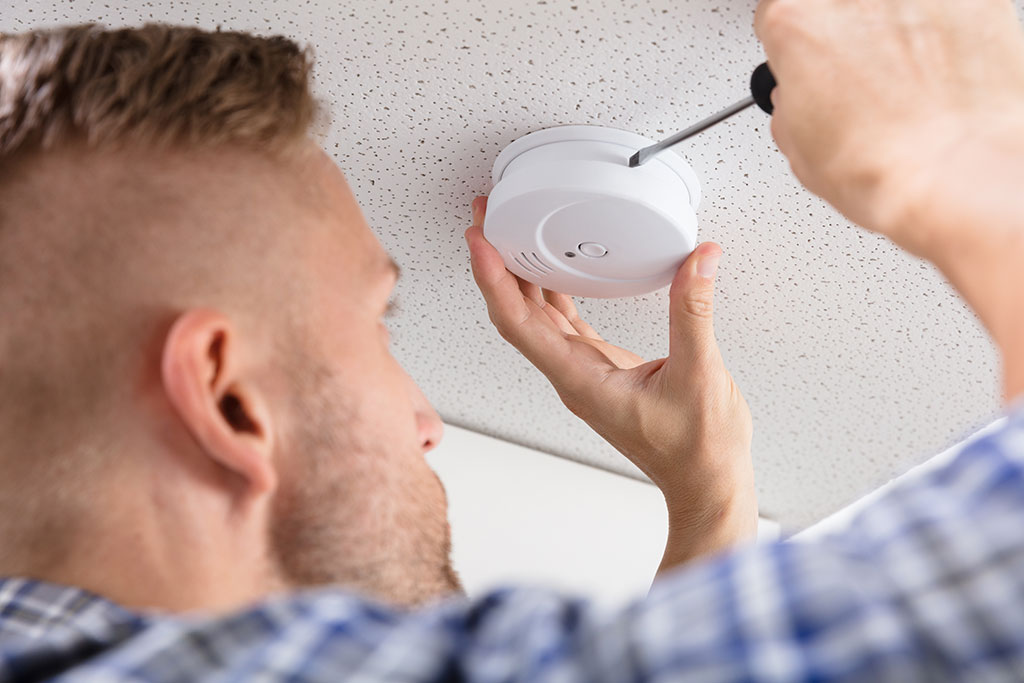
Working smoke detectors and carbon monoxide (CO) detectors are the most important life safety devices in your home or apartment building. RG Electric installs, replaces, tests, and interconnects smoke and CO alarms across the Los Angeles metro. Our licensed C-10 electricians handle hardwired and battery backup systems, correct wiring and placement, and provide documentation for inspections, insurance, and property management records.
Why Los Angeles homes and apartments need compliant detectors
Fires and CO incidents develop quietly and move fast. The earliest warning is often an alarm in a hallway or bedroom corridor. Modern detectors monitor for slow, smoldering fires and fast, flaming fires, and CO alarms warn about a colorless, odorless gas that can accumulate from fuel-burning appliances or vehicles. For multi-unit buildings, properly placed and interconnected devices help ensure one unit’s alarm can be heard and responded to before smoke migrates to shared halls.
Detectors are not one-size-fits-all. There are battery-only units, hardwired units with battery backup, combination smoke and CO units, and specialized devices with strobe and low-frequency sounders for people with hearing loss. We match equipment to the space and to local requirements, then install and label everything clearly so maintenance is simple.
What we install and service
Hardwired smoke alarms with battery backup: The most reliable choice for long-term protection. We install listed units on dedicated lighting circuits where permitted, make solid terminations, and include battery backup so devices still function during an outage.
10-year sealed battery alarms: Ideal where hardwiring is not practical. Sealed lithium batteries eliminate annual swaps and reduce chirps from low-battery conditions. We date and label every unit for easy replacement tracking.
Combination smoke and CO alarms: One device that handles both hazards in areas where CO monitoring is required near sleeping spaces and by fuel-burning appliances or garages.
Photoelectric and ionization technologies: Photoelectric sensors respond quickly to smoldering fires common with upholstery and bedding. Ionization sensors respond quickly to flaming fires. Many modern alarms combine both sensing methods for balanced protection.
Interconnection and smart features: We interconnect alarms so if one sounds, all sound. Where wiring is difficult, we use listed wireless interconnect systems. For clients who prefer app notifications, we specify smart models that issue alerts to phones when an alarm or low-battery event occurs.
Specialty alarms for accessibility: Low-frequency sounders for bedrooms, bed shakers, and integrated strobe alarms help people with hearing loss wake up and evacuate quickly. We place and test these to manufacturer guidance.
Proper placement and spacing
Correct placement matters as much as the device itself. In dwellings, install smoke alarms inside each bedroom, outside sleeping areas such as hallways, and on every level including basements and habitable attics. CO alarms are typically required outside each sleeping area and on each level where fuel-burning equipment or garages exist. We avoid dead-air zones near ceiling edges, keep devices away from supply registers that can blow particulate away, and locate them far enough from kitchens and bathrooms to reduce nuisance alarms while maintaining protection.
For sloped ceilings, we mount alarms along the high side, spacing them away from peaks to avoid stagnant air pockets. In basements, alarms are placed on the ceiling near the stair bottom to catch smoke rising from lower rooms. We provide a simple map showing each device and the replacement date so future maintenance is easy to schedule.
Testing, maintenance, and replacement cycles
Smoke alarms should be tested monthly, vacuumed gently to remove dust several times per year, and replaced at 10 years from manufacture date. CO alarms typically need replacement every 7 to 10 years depending on the model. We check manufacture dates, replace expired units, and test interconnect functionality. Where tenants are present, we coordinate access and provide a signed checklist for your files. If chirping occurs, we diagnose whether it is a low battery, an end-of-life indicator, or a wiring issue causing nuisance alerts.
If you are planning other electrical work, combine detector replacements with a wiring improvement or panel upgrade so we can pull new interconnect lines or add a circuit while walls are already open. This minimizes patching and speeds inspections.
Code, permits, and inspection
Like-for-like detector swaps in the same location may not require a permit. Adding new locations, hardwiring previously battery-only devices, interconnecting multiple alarms, relocating boxes, or integrating alarms with a new circuit often does. We review your scope case by case and handle permits and scheduling when needed. Our work follows current requirements for device listing, location, interconnect, and power source; we also verify GFCI or AFCI protection on the feeder where required, correct polarity and grounding, and label the panel directory. At inspection we demonstrate test functions, interconnect operation, and device dating. You receive labeled photos and a simple service record for insurance or resale.
Apartments, HOAs, and small commercial buildings
Property managers rely on consistent, documented installations that pass inspection the first time. We standardize device models across buildings, provide unit-by-unit logs with installation dates and replacement timelines, and schedule work with minimal disruption to residents. For common areas we coordinate with your fire protection vendors to ensure detector locations complement sprinkler, stair, and alarm panel layouts. If your house panel is overloaded or a legacy brand, we can add a sub-panel or upgrade so life safety devices have reliable power.
Our process, step by step
Assessment: Share photos of the panel (door open), existing detectors, and each hallway or bedroom. We confirm device count, types, and whether interconnect is present.
Proposal: You receive a clear layout showing device locations, recommended models, and whether hardwired, wireless interconnect, or battery-only makes the most sense for each area.
Installation: We protect finishes, install listed boxes where needed, pull new cable or interconnect links, and mount devices per manufacturer spacing. We date labels and provide a simple replacement schedule.
Testing and turnover: We test each unit, then confirm interconnect works across the entire residence or floor. You get labeled photos, instructions for monthly tests, and guidance for annual battery checks if applicable.
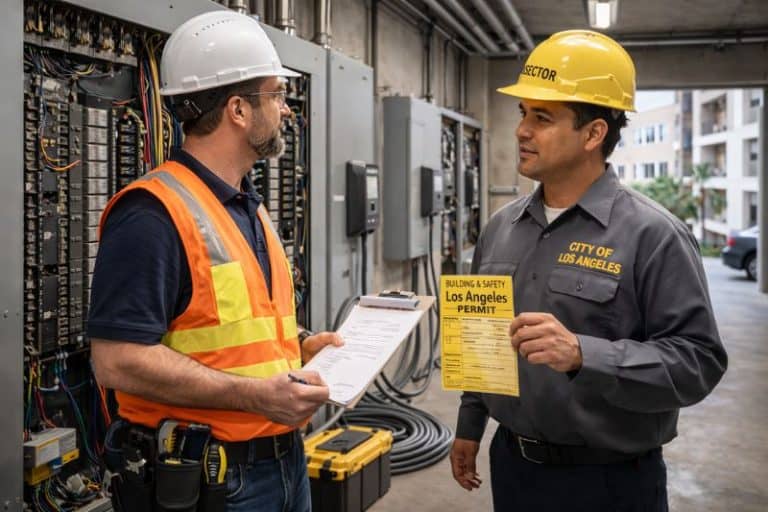
Documentation: For permitted jobs, we meet the inspector and close out with a clean record. For multi-unit buildings, we provide a spreadsheet with device type and date by unit to simplify future maintenance.
Costs and scheduling
Pricing depends on quantity, hardwired vs battery-only, access for interconnect wiring, specialty features like strobe or low-frequency sounders, and whether permits are required. Battery-only replacements are usually fast; hardwired additions and whole-home interconnects take longer and may be phased. To speed quoting, include a count of bedrooms and levels, photos of existing devices, and whether you want combination smoke/CO alarms. We offer clear pricing and can bundle related work such as surge protection or a small wiring correction while we are on site.
Related electrical services
Life safety upgrades pair well with wiring improvements, panel upgrades, indoor lighting, and emergency electrical repairs.
Frequently asked questions
How many detectors do I need?
At minimum, one inside every bedroom, one outside each sleeping area, and one on every level including the basement. CO detectors are typically required outside sleeping areas and on each level with fuel-burning equipment or garages.
Do I need hardwired alarms?
Hardwired with battery backup is the most reliable, especially for multi-unit buildings. Where wiring is impractical, 10-year sealed battery alarms with wireless interconnect are a good alternative.
Why does my alarm chirp?
It can indicate a low battery, end-of-life, or a wiring/interconnect fault. We test and correct the cause so nuisance chirps do not return.
Can you integrate alarms with smart home apps?
Yes. We install listed smart alarms that send phone notifications for alarm, CO event, or low-battery alerts.
How often should detectors be replaced?
Smoke alarms typically every 10 years; CO alarms every 7 to 10 years depending on the model. We mark installation dates and provide a replacement schedule.
Electrical work is hazardous. Consult a licensed electrician like RG Electric for inspections, permits, and code-compliant installations.