
 Call (323) 5215131
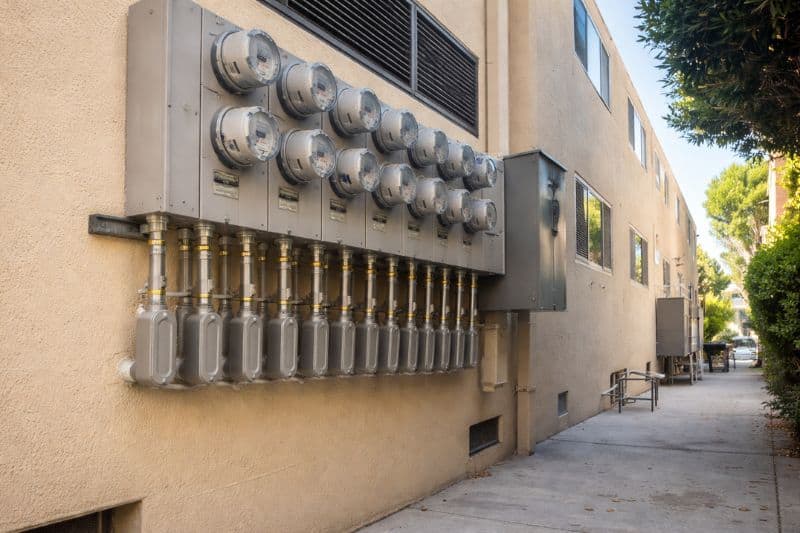
Electrical work in an occupied apartment building is not just a technical project, it is an operations project. The difference between a smooth job and a tenant headache usually comes down to planning, communication, and sequencing, not the tools in the electrician’s bag.
In Los Angeles, many multi-unit properties stay fully occupied year-round, and many buildings have older electrical infrastructure that requires upgrades or repairs in phases. That reality puts property managers in a familiar bind. Work needs to get done, but tenants still need predictable access, minimal downtime, and clear expectations.
This article is a practical guide for planning electrical work in occupied apartment buildings in a way that reduces tenant disruption, protects safety, and keeps projects moving. We’ll focus on what actually works in real buildings, including scheduling strategies, notice templates in plain language, access planning, and how to avoid the most common reasons projects drag out longer than they should.
Always consult a licensed electrician like RG Electric before working on electrical systems.
Start With a Tenant Impact Plan, Not a Scope of Work
In occupied apartment buildings, the biggest mistakes happen when planning starts with the electrical scope instead of the tenant impact.
From a technical perspective, electricians think in terms of panels, circuits, feeders, and permits. From a tenant’s perspective, the questions are much simpler. Will the power go out? For how long? Will someone need to enter my unit? Will this affect my workday or evening routine?
If those questions are not answered early, even a well-executed electrical project can feel disruptive.
A tenant impact plan flips the usual planning process. Instead of asking only what needs to be fixed or upgraded, it starts by identifying how the work will affect daily life in the building.
This includes understanding which areas will lose power, whether outages will be partial or building-wide, and how long each interruption is expected to last. It also means identifying which units require access and whether that access can be staggered to reduce inconvenience.
When tenant impact is mapped out early, the electrical scope can be scheduled around real-world constraints instead of forcing tenants to adapt on short notice.
This approach is especially important in older Los Angeles buildings, where electrical systems are often interconnected in ways that are not obvious until work begins.
Property managers who work with electricians experienced in commercial electrical services are usually better equipped to build this kind of plan, because they are accustomed to coordinating work in occupied, multi-unit environments.
https://www.rgelectric.net/commercial-electrical-services-in-los-angeles/
Schedule Electrical Work Around Real Tenant Behavior
Scheduling electrical work in occupied apartment buildings requires more than picking a convenient time on a calendar. The way tenants actually live and work in a building has a direct impact on how disruptive electrical projects feel.
Assumptions about “normal business hours” often miss the mark, especially in Los Angeles, where many residents work remotely, keep nontraditional schedules, or spend significant time at home during the day.
Why “business hours” are not always tenant-friendly
In many buildings, daytime work creates more disruption than expected. Tenants may rely on power for work-from-home setups, medical equipment, or childcare routines. A mid-day outage can feel far more disruptive than one scheduled in the early evening.
In other properties, evenings may be the most sensitive time due to family routines, cooking, or shared amenities. The point is not that one time works for every building, but that tenant behavior should drive scheduling decisions, not contractor habits.
Predictable outage windows reduce frustration
Tenants tend to tolerate inconvenience better when it is predictable.
Short, clearly defined outage windows are almost always preferable to longer, open-ended interruptions. When tenants know exactly when power will be affected and when it will be restored, they can plan accordingly, even if the timing is not ideal.
Uncertainty is what creates the most frustration.
Consistency builds trust over multi-day projects
Many electrical projects in older apartment buildings require phased work over multiple days or weeks. In these cases, consistency matters.
Using the same outage windows day after day helps tenants adjust their routines. Shifting schedules from one day to the next, even by a small amount, can create confusion and erode trust.
Consistency signals organization and respect for tenant time.
Older buildings require extra scheduling flexibility
In older Los Angeles buildings, electrical systems are often interconnected in ways that are not immediately obvious. Once work begins, adjustments may be necessary to keep systems safe and compliant.
Scheduling should allow for this reality. Building in buffer time and avoiding overly aggressive timelines helps prevent last-minute changes that impact tenants unexpectedly.
Property managers who work closely with electricians experienced in occupied buildings tend to navigate these challenges more smoothly. Contractors familiar with commercial electrical services understand how to sequence work to minimize outages and keep schedules stable whenever possible.
https://www.rgelectric.net/commercial-electrical-services-in-los-angeles/
Coordinating Unit Access Without Creating Tenant Friction
Access coordination is where many electrical projects in occupied apartment buildings begin to unravel. Missed appointments, unclear entry windows, and inconsistent communication can slow work down quickly and create unnecessary frustration for tenants.
In most cases, the problem is not the electrical work itself, but how access is planned and communicated.
Why access planning deserves its own strategy
Unit access should never be treated as a minor detail. In occupied buildings, it is one of the biggest factors affecting whether a project stays on schedule.
Tenants are not interchangeable. Some residents work from home, some have pets, some care for children or elderly family members, and others have limited availability. When access planning ignores these realities, cooperation drops and delays increase.
A thoughtful access strategy acknowledges that tenants have lives that don’t revolve around maintenance schedules.
Clear explanations reduce resistance
Tenants are far more cooperative when they understand why access is needed and what will happen inside their unit.
Notices that clearly explain the purpose of the work, what areas will be accessed, and how long entry is expected to take help reduce anxiety. Vague language often leads tenants to assume the worst, even when the work is minor.
Clarity builds trust, and trust makes access easier.
Narrow access windows work better than broad ones
One of the most common mistakes property managers make is offering overly broad access windows, such as “any time between 8am and 5pm.” While this seems flexible on paper, it often results in missed entries and wasted time.
More specific windows set clearer expectations. Tenants are more likely to be available when they know exactly when entry will occur, even if the window is shorter.
This approach also helps electricians plan their workflow more efficiently instead of waiting on access that never materializes.
Missed access affects more than one unit
In older apartment buildings, electrical systems are often interconnected. When access to one unit is missed, it can delay work in adjacent units or force electricians to reschedule outages and inspections.
What feels like a small inconvenience in one unit can ripple across an entire floor or building.
This is why access coordination should be treated as a project-wide concern, not an isolated scheduling issue.
Experience with occupied buildings makes a difference
Electricians who regularly work in occupied apartment buildings understand how to sequence access, group units efficiently, and adjust when obstacles arise.
Property managers who partner with contractors experienced in commercial electrical services tend to see fewer access-related delays because these contractors plan around occupancy from the start.
https://www.rgelectric.net/commercial-electrical-services-in-los-angeles/
Managing Power Shutoffs Safely in Shared Spaces
Power shutoffs are often the most sensitive part of electrical work in occupied apartment buildings. Even short interruptions can trigger tenant anxiety if they are not handled carefully, especially when shared spaces and life-safety systems are involved.
The goal is not just restoring power quickly, but maintaining confidence and safety while the work is happening.
Shared spaces raise the stakes during outages
Common areas such as hallways, stairwells, laundry rooms, parking garages, and exterior walkways are used by multiple tenants throughout the day. When power is interrupted in these spaces, visibility and accessibility can become immediate concerns.
Tenants are far more accepting of outages inside their own units than they are of dark hallways or stairwells. This is why shared-space planning should be treated as a priority, not an afterthought.
Before work begins, it should be clear which common areas will be affected, how long they will be impacted, and what temporary measures will be in place.
Life-safety systems must remain protected
In occupied buildings, electrical work should never compromise life-safety systems. Emergency lighting, exit signs, fire alarm systems, and other critical components must remain functional or be properly supported during outages.
Experienced electricians plan work sequences that protect these systems and coordinate with inspectors when necessary. For property managers, this reduces liability and reassures tenants that safety is being taken seriously.
This is especially important in older buildings, where electrical systems may not be as clearly segmented as they are in newer construction.
Clear communication prevents panic
Tenants are far more likely to react negatively to a power shutoff when they do not understand what is happening.
Clear notices that explain when power will be off, which areas are affected, and when it will be restored help prevent confusion. Even a brief explanation goes a long way toward reducing calls, complaints, and frustration.
When unexpected issues arise, timely updates matter. Silence creates uncertainty, and uncertainty escalates quickly in shared living environments.
Planning reduces emergency scenarios
Many emergency electrical situations occur because power shutoffs were rushed or poorly coordinated. When work is planned carefully, outages are shorter, safer, and more controlled.
In contrast, reactive situations often require emergency electrical repairs, which are more disruptive and harder to manage in occupied buildings.
https://www.rgelectric.net/emergency-electrical-repairs-in-los-angeles/
Proactive planning helps keep electrical work in the “planned maintenance” category rather than the “emergency response” category.
Experience with occupied buildings makes outages smoother
Electricians who regularly work in occupied apartment buildings understand how to manage shutoffs with minimal disruption. They know how to stage work, restore power efficiently, and keep shared spaces safe throughout the process.
Property managers who partner with contractors experienced in commercial electrical services often see fewer complaints and smoother execution during outage-related work.
https://www.rgelectric.net/commercial-electrical-services-in-los-angeles/
Safety, Containment, and Worksite Control in Occupied Buildings
In occupied apartment buildings, electrical work does not happen behind closed doors. Tenants see technicians moving through hallways, opening panels, and working in shared spaces. How these work areas are managed has a direct impact on tenant comfort, safety, and perception of professionalism.
Good worksite control keeps people safe without making the building feel like a construction zone.
Containment matters more than speed
Rushing electrical work in occupied buildings often leads to exposed wiring, open panels, or unsecured tools in shared spaces. Even short lapses in containment can create safety hazards or trigger tenant concerns.
Containment means clearly defining where work is happening and keeping those areas controlled at all times. This includes closing panels when not actively working, securing tools, and ensuring that temporary conditions do not create trip hazards or access issues.
Tenants are far more comfortable when they see that work areas are clearly managed and respected.
Shared spaces require extra attention
Hallways, stairwells, laundry rooms, and electrical rooms are used by multiple tenants throughout the day. These spaces should remain as accessible and safe as possible while work is underway.
When temporary disruptions are unavoidable, clear signage and barriers help guide tenants safely around work areas. This reduces confusion and prevents accidental interference with active electrical work.
Maintaining clean, orderly shared spaces also reinforces confidence that the project is being handled professionally.
Minimize visual disruption whenever possible
Even when work is safe, visible disorder can increase tenant anxiety. Tangled cables, open equipment, and cluttered hallways make buildings feel chaotic, even if the work is temporary.
Experienced electricians understand how to stage materials efficiently and keep visual disruption to a minimum. Small details, such as organizing tools and limiting the footprint of work areas, make a noticeable difference in how tenants perceive the project.
Safety protocols protect both tenants and property managers
Clear safety protocols protect more than just building occupants. They also reduce liability exposure for property owners and managers.
Licensed electricians who follow established safety practices help ensure that work proceeds without incident, even in busy, occupied environments. This includes proper lockout procedures, secure equipment handling, and adherence to code requirements throughout the project.
Property managers who work with contractors experienced in commercial electrical services benefit from this level of professionalism, especially in buildings where work and daily life intersect.
https://www.rgelectric.net/commercial-electrical-services-in-los-angeles/
Communicating With Tenants Before, During, and After Electrical Work
Communication is often the difference between a smooth electrical project and a building full of frustrated tenants. Even well-planned work can feel disruptive if residents are unsure what is happening or why.
In occupied apartment buildings, communication should be treated as an operational tool, not an afterthought.
Set expectations before work begins
Tenants are far more cooperative when they know what to expect in advance. Early communication should clearly explain the purpose of the electrical work, how it benefits safety or reliability, and what impact tenants can expect.
This does not require technical explanations. Plain language builds understanding and reduces anxiety. When tenants understand that work is planned, limited, and purposeful, they are less likely to assume the worst.
Advance notice also gives tenants time to plan around outages or access needs, which reduces last-minute resistance.
Consistent updates matter during active work
Once work begins, silence is rarely interpreted as “everything is going well.” Tenants notice activity, hear noise, and see electricians moving through the building. Without updates, uncertainty grows.
Providing brief updates when work starts, when outages begin, and when power is restored helps maintain trust. Even simple confirmations, such as “today’s work is complete and power has been restored,” go a long way toward reducing complaints.
When timelines change, timely updates matter even more. Tenants are far more forgiving of delays when they are informed promptly rather than left guessing.
Clear points of contact reduce frustration
During electrical projects, tenants should know who to contact with questions or concerns. Unclear communication channels often lead tenants to call multiple offices, submit repeated complaints, or escalate issues unnecessarily.
Designating a clear point of contact helps streamline communication and prevents confusion. This also protects property managers from being overwhelmed by scattered inquiries.
Close the loop after work is completed
Communication should not stop once the electrical work is done.
Letting tenants know that work is complete, power has been restored, and systems are operating normally reinforces professionalism and closure. It also provides an opportunity to thank tenants for their cooperation, which helps maintain goodwill.
For property managers, this final step helps reset expectations and signals that the disruption was temporary and managed intentionally.
Sequencing Electrical Projects to Avoid Long Disruptions
In occupied apartment buildings, how electrical work is sequenced often matters more than how fast it is completed. Poor sequencing can stretch short-term disruptions into ongoing frustrations, while smart sequencing keeps inconvenience contained and predictable.
The goal is not to rush, but to structure work so tenants experience disruption in manageable doses.
Break large projects into logical phases
Large electrical projects rarely need to happen all at once. When work is broken into clear phases, each phase can be planned around specific outage windows, access needs, and tenant communication.
Phasing allows property managers to focus on one area or group of units at a time instead of disrupting the entire building. Tenants are far more tolerant when they know the impact is limited and temporary.
This approach is especially effective in older buildings where electrical systems may require step-by-step upgrades rather than a single, comprehensive shutdown.
Group work by location, not just by task
Another common sequencing mistake is grouping work by task instead of location. From a tenant’s perspective, repeated disruptions in the same area are more frustrating than a single, well-managed interruption.
Grouping work by floor, wing, or stack helps minimize repeat outages and repeated access requests. Tenants experience disruption once rather than multiple times spread over weeks.
This also allows electricians to work more efficiently without constantly moving equipment and resetting work areas.
Plan inspections into the sequence early
Inspections are often treated as a final step, but in occupied buildings, they should be part of the sequencing plan from the beginning.
Inspection timing can affect when power needs to be off, when access is required, and when work can move to the next phase. Planning inspections early reduces the risk of delays that extend outages or force rescheduling.
This is particularly important in Los Angeles, where inspection availability can influence project timelines.
Avoid “stop and start” disruption patterns
Tenants tend to react negatively when electrical work appears to start, stop, and restart without clear explanation. This pattern creates the impression of disorganization, even when work is technically sound.
Sequencing work so that each phase has a clear beginning and end helps avoid this issue. When tenants see visible progress and defined completion points, patience increases.
Experienced contractors sequence with occupancy in mind
Electricians who regularly work in occupied apartment buildings understand how to sequence projects to minimize disruption. They plan phases around tenant behavior, access logistics, and inspection requirements instead of treating sequencing as an afterthought.
Property managers who work with contractors experienced in commercial electrical services benefit from this level of planning, especially in complex, multi-unit environments.
https://www.rgelectric.net/commercial-electrical-services-in-los-angeles/
Planning for the Unexpected Without Derailing the Project
In older, occupied apartment buildings, unexpected issues are not the exception. They are part of the process. Hidden wiring conditions, undocumented past repairs, or equipment that does not behave as expected can all surface once electrical work begins.
What matters most is not whether surprises occur, but how they are handled.
Older buildings rarely reveal everything upfront
Even with thorough evaluations, older electrical systems can hold surprises. Walls may conceal outdated wiring methods, panels may feed circuits in non-obvious ways, and prior work may not align with current expectations.
When these issues surface mid-project, poor handling can quickly undermine tenant trust. Sudden schedule changes, extended outages, or vague explanations make tenants feel like the project is out of control.
Acknowledging upfront that older buildings may require adjustments helps set realistic expectations before work begins.
Build contingency time into the schedule
One of the most effective ways to manage the unexpected is to plan for it deliberately.
Schedules that are too tight leave no room for adjustments. When something goes wrong, the only option becomes extending outages or rescheduling access at the last minute. Both scenarios increase tenant frustration.
Building in buffer time allows electricians to address unforeseen issues without dramatically altering tenant-facing schedules. From a tenant’s perspective, the project still feels controlled, even if behind-the-scenes adjustments are being made.
Communicate changes immediately and clearly
When plans change, communication becomes even more important.
Tenants are far more accepting of delays when they understand why they are happening and how long they are expected to last. Silence or vague updates create anxiety and resentment.
Clear explanations, delivered promptly, help preserve trust even when work takes longer than expected. This is especially important in buildings where tenants may already be sensitive to disruptions.
Avoid turning surprises into emergencies
Unexpected issues do not automatically require emergency responses. When work is planned thoughtfully, many surprises can be addressed methodically rather than reactively.
Emergency situations often lead to rushed decisions and emergency electrical repairs, which are more disruptive and stressful in occupied buildings.
https://www.rgelectric.net/emergency-electrical-repairs-in-los-angeles/
Proactive planning helps keep unexpected discoveries within the scope of controlled maintenance rather than crisis response.
Experience matters when conditions change
Electricians experienced in occupied apartment buildings know how to adapt when conditions change. They understand which adjustments can be made immediately and which require additional planning or coordination.
Property managers who partner with contractors familiar with commercial electrical services are better positioned to navigate surprises without losing control of the project timeline or tenant relationships.
https://www.rgelectric.net/commercial-electrical-services-in-los-angeles/
Closing the Project Cleanly and Restoring Normalcy
How an electrical project ends matters just as much as how it begins. In occupied apartment buildings, the final phase is about restoring trust, routine, and confidence that the disruption is truly over.
A clean close helps tenants move on and helps property managers avoid lingering complaints or confusion.
Confirm systems are fully restored
Once electrical work is complete, confirming that systems are fully operational is essential. Power should be restored as expected, shared spaces should be well-lit, and any temporary conditions should be removed promptly.
Tenants notice unfinished details. Leaving panels open, signage in place, or equipment staged in common areas sends the message that the project is still ongoing, even when it is not.
A clear visual reset helps the building feel normal again.
Communicate completion clearly
Tenants should never have to guess whether electrical work is finished.
A simple completion notice that confirms work is done, power is stable, and normal operations have resumed provides closure. It also reassures tenants who may have been concerned about additional outages or follow-up visits.
This final communication step reinforces professionalism and respect for tenant time.
Address lingering questions quickly
Even well-managed projects may leave a few tenants with questions or concerns. Responding promptly during this final phase prevents small issues from becoming ongoing frustrations.
This is also an opportunity to reinforce who tenants should contact if they experience any issues after work is complete, helping prevent confusion or unnecessary escalation.
Document the work for future planning
From a property management perspective, closing a project also means documenting what was done.
Keeping records of completed work, permits, inspections, and any system changes makes future planning easier and helps avoid repeating disruptions. It also supports smoother coordination for future upgrades or maintenance.
Final Thoughts on Planning Electrical Work in Occupied Apartment Buildings
Electrical work in occupied apartment buildings is as much about people as it is about power.
When projects are planned around tenant impact, scheduled thoughtfully, communicated clearly, and executed with care, disruption stays manageable and trust stays intact. When planning is rushed or reactive, even small projects can feel overwhelming.
For property managers and building owners in Los Angeles, proactive planning is the most effective way to complete necessary electrical work without turning the building upside down.
Partnering with electricians who understand occupied environments makes a measurable difference. Experience with sequencing, safety, communication, and contingency planning helps projects move forward smoothly, even in older buildings with complex systems.
If you are planning electrical work in an occupied apartment building and want to minimize tenant disruption while maintaining safety and control, early coordination is key.
Contact RG Electric at (323) 521-5131 or request a consultation at:
https://www.rgelectric.net/contact-us/