
 Call (323) 5215131
Why Insurance Companies Treat Multi-Unit Buildings Differently Than Single-Family Homes
Property owners are often surprised to learn that insurance companies evaluate multi-unit buildings very differently than single-family homes. Two properties may be located on the same street, built in the same year, and even share similar electrical systems, yet their insurance requirements can look nothing alike.
In Los Angeles, this difference has become more pronounced in recent years. Apartment buildings, duplexes, and other multi-unit properties are facing stricter underwriting standards, more documentation requests, and tighter deadlines than many single-family homeowners.
This shift is not arbitrary. From an insurance perspective, multi-unit buildings represent a different type of risk, especially when it comes to electrical systems, liability exposure, and claim severity.
Understanding why insurers treat these properties differently helps property managers and building owners anticipate requirements, avoid surprises during renewals, and plan electrical work more strategically.
How Insurance Companies Assess Risk Differently
Insurance companies base their decisions on probability and impact. While single-family homes certainly carry risk, the potential consequences of a failure in a multi-unit building are much greater.
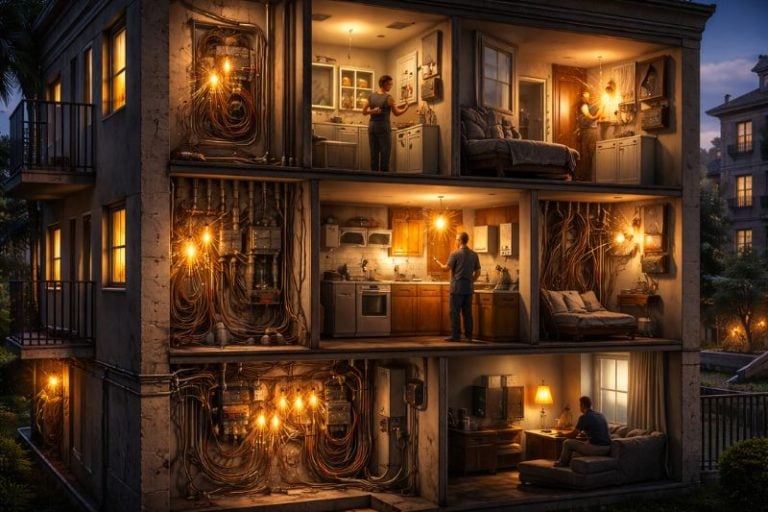
A single electrical issue in an apartment building can affect multiple households, shared systems, and common areas at the same time. That increases the likelihood of larger claims, longer displacement periods, and higher overall costs for insurers.
Because of this, insurers apply a more conservative lens when evaluating multi-unit properties, especially older buildings with aging infrastructure.
Shared Electrical Systems Increase Exposure
One of the biggest differences between multi-unit buildings and single-family homes is the presence of shared electrical systems.
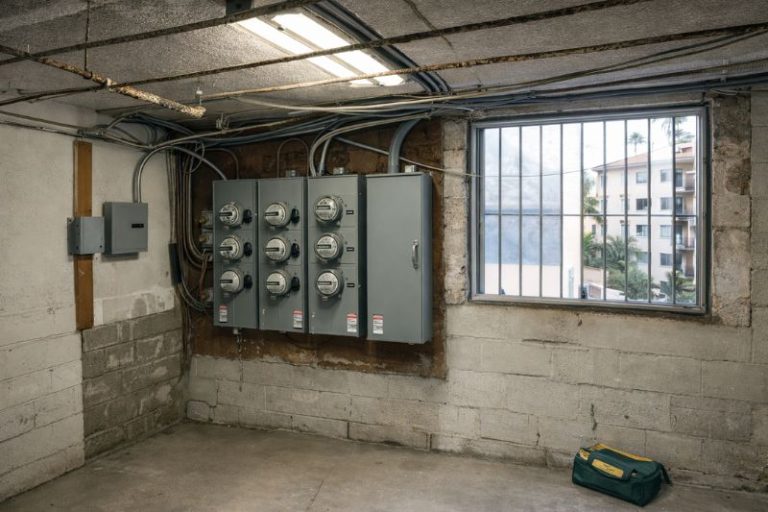
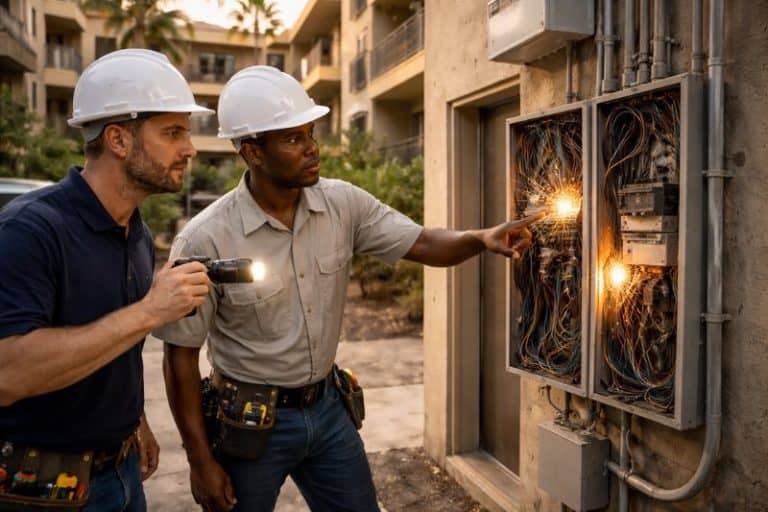
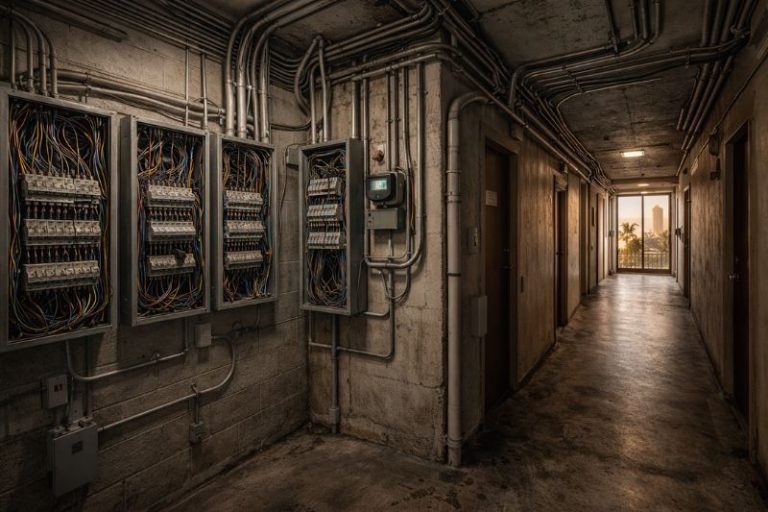
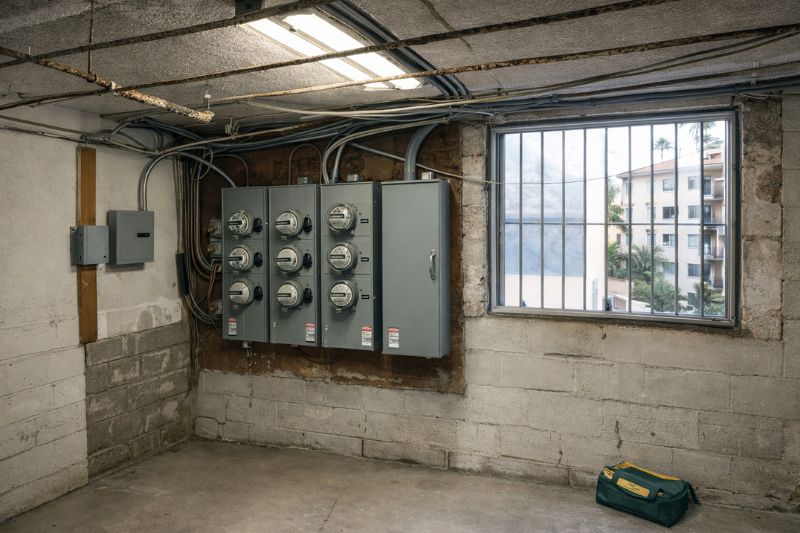
In many apartment buildings, electrical panels, feeders, and service equipment supply multiple units or common areas. When a problem occurs, it is rarely isolated to one tenant. Power outages, overheating, or panel failures can cascade across units.
From an insurance standpoint, this concentration of risk is significant. A single electrical failure can result in multiple claims rather than one. That reality alone justifies stricter requirements.
This is also why insurers often look closely at panel conditions, load capacity, and overall system design in multi-unit properties.
Liability Is Broader in Multi-Unit Properties
Insurance companies also consider who is affected by an electrical issue.
In a single-family home, the occupants are typically the owners themselves. In multi-unit buildings, tenants, guests, and sometimes employees may all be affected by electrical failures or safety hazards.
This expands liability exposure. An electrical fire, shock incident, or prolonged outage can lead to tenant claims, legal disputes, and regulatory involvement.
Because of this, insurers expect multi-unit property owners to demonstrate a higher level of diligence, especially when it comes to safety-related systems like electrical infrastructure.
Older Apartment Buildings Face Added Scrutiny
Los Angeles has a large inventory of older apartment buildings, many of which were built long before modern electrical standards existed. While these buildings may have operated for decades without major incidents, insurers are increasingly unwilling to rely on past performance alone.
Electrical systems that were acceptable when installed may no longer meet current safety expectations. When these systems serve multiple units, insurers are more likely to require upgrades, documentation, or inspections.
This is one reason property managers often feel that insurance requirements change suddenly. In reality, insurers are responding to accumulated risk and updated underwriting models.
Why Documentation Matters More for Multi-Unit Buildings
Another key difference is documentation.
Insurance companies typically require more detailed records for multi-unit properties than for single-family homes. This includes permits, inspection approvals, and confirmation that electrical work was performed by licensed contractors.
In buildings where electrical work has been performed incrementally over many years, documentation gaps are common. When insurers cannot verify what work was done and how it was approved, they often respond by requiring evaluations or corrective work.
Property owners who rely on licensed electricians experienced in commercial electrical services are generally better prepared to meet these documentation expectations.
https://www.rgelectric.net/commercial-electrical-services-in-los-angeles/
Panel and System Issues Are Treated as Building-Wide Concerns
In a single-family home, an electrical panel issue affects one household. In a multi-unit building, similar issues can affect the entire property.
Because of this, insurers often treat panel problems, load limitations, and safety deficiencies as building-wide concerns, even if they appear isolated at first.
This is why insurance-mandated upgrades in apartment buildings often involve more than a single panel. Once a system is evaluated, related issues may also need to be addressed to reduce overall risk.
These situations are commonly handled through professional electrical panel services, especially when insurers or inspectors are involved.
https://www.rgelectric.net/electrical-panel-services-in-los-angeles/
How Insurance Requirements Typically Show Up for Multi-Unit Buildings
For many property owners, insurance requirements do not arrive all at once. They often appear gradually, sometimes framed as routine requests, until it becomes clear that coverage depends on compliance.
Understanding how these requirements typically surface helps property managers recognize warning signs early.
Insurance renewals bring closer scrutiny
The most common moment when insurers apply pressure is during policy renewal. What may have been a simple renewal process in previous years can suddenly involve detailed questionnaires, follow-up inspections, or requests for documentation.
Insurers may ask about the age of electrical systems, the type of panels installed, or whether recent upgrades were permitted and inspected. For multi-unit buildings, these questions often extend beyond individual units to include common-area systems and shared infrastructure.
When responses are unclear or documentation is missing, insurers may escalate their requests.
Requests for inspections or evaluations
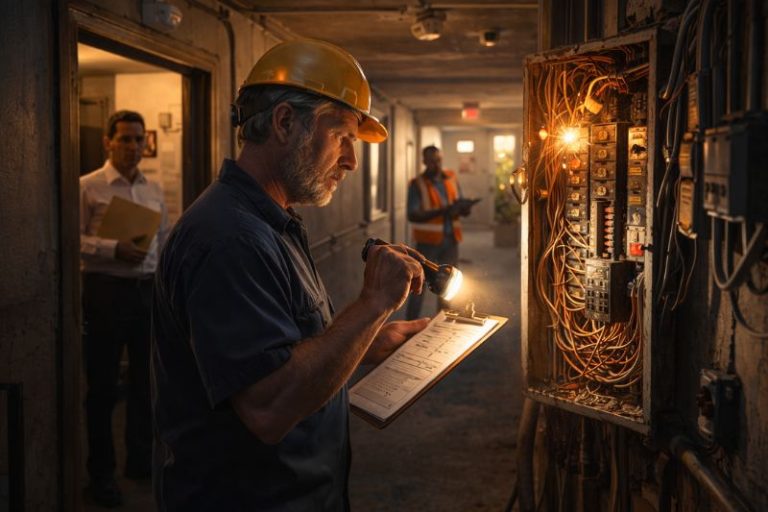
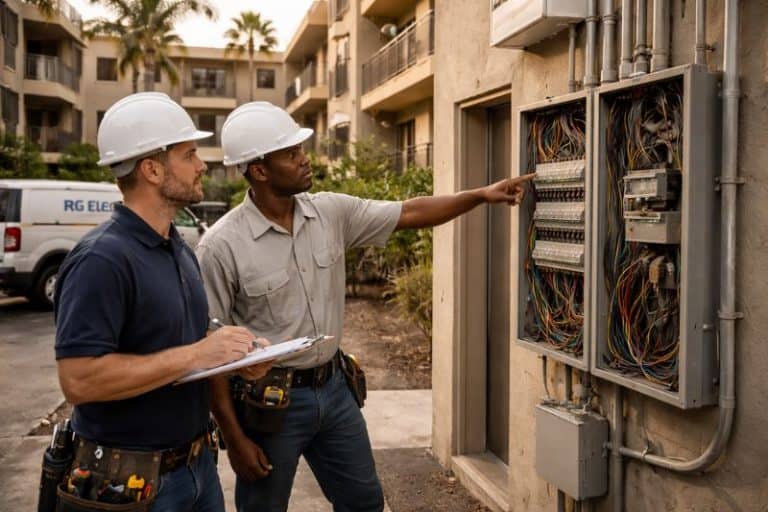
In many cases, insurance companies request an electrical inspection or third-party evaluation as a condition of renewal. This does not necessarily mean a problem has already been identified. It often reflects uncertainty on the insurer’s side.
Once an evaluation is required, any deficiencies that are discovered may need to be corrected before coverage continues. For multi-unit buildings, this process can involve multiple panels, feeders, or safety upgrades rather than a single repair.
This is where delays and added costs often occur if issues were not anticipated in advance.
Conditional renewals and compliance deadlines
Another common scenario involves conditional renewals. An insurer may agree to renew coverage temporarily while requiring that specific electrical issues be addressed within a defined timeframe.
These deadlines can be challenging for property managers, especially when tenant coordination, permits, and inspections are involved. Missing a deadline can result in coverage cancellation or exclusions, even if work is already underway.
Handling these situations proactively through planned electrical repairs or upgrades is often less disruptive than reacting under pressure.
https://www.rgelectric.net/electrical-repairs-services-in-los-angeles/
Why Timelines Are Tighter for Apartment Buildings
Insurance companies typically allow less flexibility for multi-unit properties than for single-family homes. This is because the potential impact of delays is greater.
If an electrical issue remains unresolved in a single-family home, the risk is limited to one household. In an apartment building, unresolved issues affect multiple tenants, increasing exposure with every day that passes.
As a result, insurers often set firm deadlines and expect prompt action from building owners and managers.
Tenant safety drives urgency
Tenant safety is a major factor behind tighter timelines. Electrical issues in shared systems can affect egress lighting, fire safety equipment, and power to multiple units.
Insurance companies are keenly aware of these risks and are less tolerant of delays when tenant safety is involved. This urgency often surprises owners who are accustomed to more flexibility with single-family properties.
Documentation must be provided quickly
In addition to physical upgrades, insurers often expect documentation to be provided quickly. Permits, inspection approvals, and contractor credentials may be requested with little notice.
Property managers who already work with licensed electricians and maintain organized records are typically better positioned to meet these demands without disruption.
This is another reason many multi-unit owners rely on contractors experienced in commercial electrical services, where documentation and compliance are part of the standard process.
https://www.rgelectric.net/commercial-electrical-services-in-los-angeles/
How Electrical Issues Can Escalate Quickly in Multi-Unit Properties
Electrical problems in apartment buildings rarely stay isolated.
A panel issue in one area may prompt broader evaluation of the system. Once an inspector or insurer identifies one concern, they often look for patterns or related risks elsewhere in the building.
This escalation can lead to broader requirements than originally anticipated. What started as a targeted concern may turn into a building-wide upgrade plan.
This is why proactive planning and early evaluations are so important for multi-unit properties.
How Property Managers Can Prepare for Insurance Reviews
For multi-unit buildings, insurance reviews are no longer passive events. Property managers who treat renewals as a planning process rather than a formality tend to experience fewer disruptions and better outcomes.
Preparation starts well before the renewal date.
Anticipating insurer questions before they are asked
Insurance companies tend to ask the same types of questions year after year, even if the wording changes. They want to understand the condition of electrical systems, whether recent work was permitted, and how safety risks are being managed.
Property managers who proactively review electrical documentation, system age, and prior upgrades are better positioned to respond confidently. This reduces the likelihood of follow-up requests that slow the renewal process.
Working with electricians familiar with multi-unit properties helps managers identify potential red flags before insurers do.
Scheduling evaluations on your timeline
One of the biggest advantages of proactive preparation is control over scheduling.
When insurers require inspections or upgrades unexpectedly, property managers are forced to coordinate electricians, tenants, and inspectors under tight deadlines. When evaluations are scheduled in advance, work can be planned around tenant needs and operational priorities.
This approach also reduces the chance that electrical issues will escalate into emergencies that require immediate attention through emergency electrical repairs.
https://www.rgelectric.net/emergency-electrical-repairs-in-los-angeles/
Maintaining clear and accessible documentation
Documentation plays a central role in insurance decisions for multi-unit buildings. Keeping permits, inspection approvals, and contractor records organized makes it easier to respond to insurer requests without delay.
For property managers overseeing multiple buildings, standardized documentation practices can significantly reduce administrative burden. Clear records also make it easier to explain compliance efforts to owners and stakeholders.
Addressing issues before they become conditions
When insurers identify electrical issues during renewals, they often issue conditions that must be satisfied to maintain coverage. Addressing known issues proactively reduces the likelihood that these conditions will appear.
This does not mean upgrading everything at once. It means understanding where systems fall short of current expectations and planning upgrades strategically.
Many property managers find that addressing these issues through planned electrical repairs and upgrades is more manageable than reacting to insurer mandates.
https://www.rgelectric.net/electrical-repairs-services-in-los-angeles/
Why Proactive Planning Reduces Long-Term Risk
Insurance companies treat multi-unit buildings differently because the consequences of failure are greater. Property managers who recognize this reality can work within the system instead of being caught off guard by it.
Proactive planning reduces uncertainty. It allows owners to budget realistically, schedule work thoughtfully, and communicate clearly with tenants.
It also demonstrates to insurers that the property is being managed responsibly, which can influence how requirements are applied during renewals.
Final Thoughts on Insurance and Multi-Unit Properties
Insurance requirements for multi-unit buildings are not arbitrary. They reflect the higher level of risk associated with shared systems, tenant safety, and liability exposure.
Property owners who understand this difference are better equipped to navigate renewals without disruption. By anticipating requirements, maintaining documentation, and addressing electrical issues proactively, managers can stay ahead of insurance pressures instead of reacting to them.
If you own or manage a multi-unit building in Los Angeles and are unsure how your electrical systems may affect insurance renewals, early evaluation and planning can make the process far less stressful.
Working with electricians experienced in commercial electrical services helps ensure that upgrades, repairs, and documentation meet insurer expectations.
https://www.rgelectric.net/commercial-electrical-services-in-los-angeles/
Contact RG Electric at (323) 521-5131 or request an evaluation at:
https://www.rgelectric.net/contact-us/