
 Call (323) 5215131
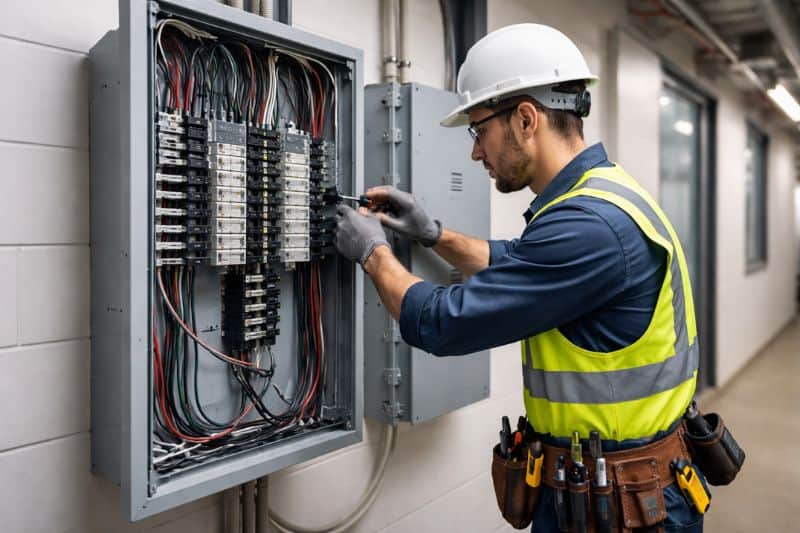
Why are insurance companies requiring electrical panel replacements in California?
Updated July 2026
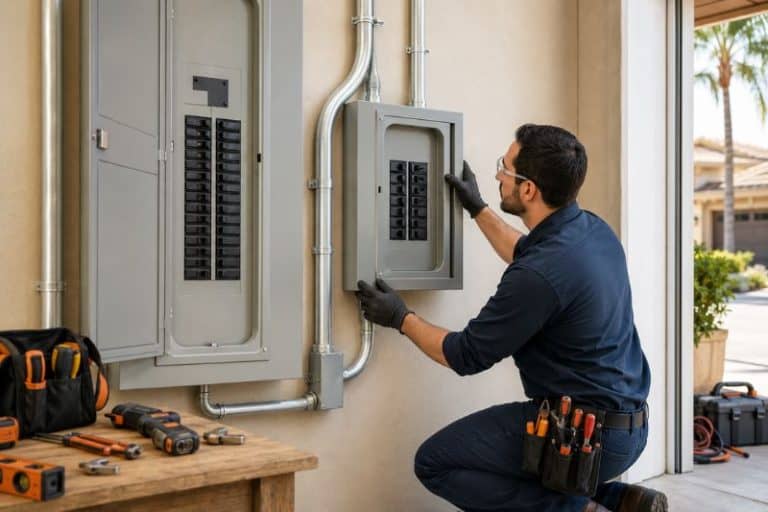
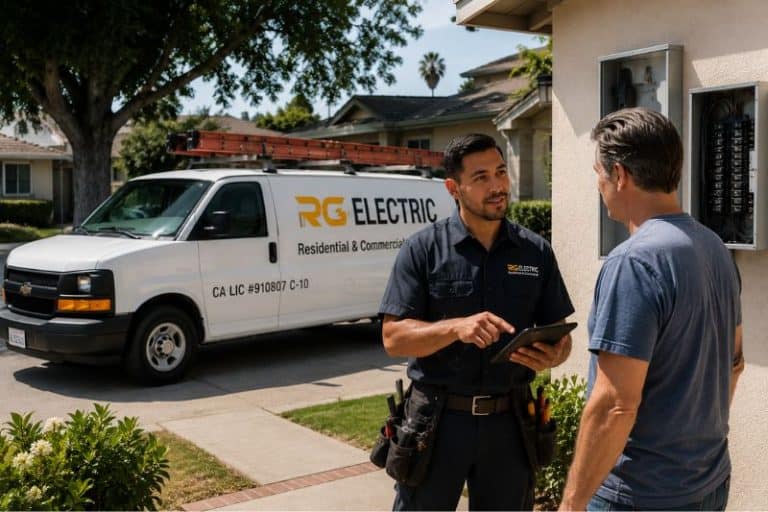
When a property owner in Los Angeles receives a notice from their insurance carrier requiring an electrical panel replacement before the next renewal, the deadline is rarely flexible. RG Electric is a licensed C10 electrical contractor, License #910807, and we handle insurance-driven panel upgrades for homeowners, property managers, and building owners across Los Angeles County. We understand what insurers require, how the permit and inspection process works, and how to complete upgrades that satisfy compliance requirements rather than just replacing a box on the wall. Insurance companies in California are not randomly enforcing electrical upgrades. Their decisions are driven by risk data, documented failure histories, and loss trends that have accelerated significantly in recent years. Understanding why insurers are requiring these upgrades, which panels they target, and what the consequences of delay look like helps property owners act on their own timeline rather than scrambling to meet a carrier’s deadline.
Why California insurers have escalated electrical requirements
The insurance market in California has changed significantly over the past several years. Wildfire losses, rising construction costs, and large claim payouts have made carriers far more cautious about the properties they insure and the conditions they accept. Electrical systems, particularly aging panels in older buildings, have become a primary focus.
Los Angeles adds a specific layer of complexity. The city has one of the oldest and most varied housing stocks of any major American city. Homes and apartment buildings constructed in the 1950s, 1960s, and 1970s are still running electrical panels that were installed during original construction, long before modern safety standards existed. These panels were never designed to handle the electrical loads that current households and commercial tenants place on them, and many carry documented failure histories that insurers have tracked for decades.
From an insurance perspective, the question is not whether the panel is currently working. It is whether the panel’s design and failure history represent an acceptable level of risk. For a growing list of panel brands, the answer is no, regardless of whether any visible problems exist. Insurers are acting before failures occur, not after, because by the time a claim is filed the cost is already locked in.
The conclusion: California’s insurance market has structurally changed. Carriers are applying electrical scrutiny as a standard underwriting criterion, not as an exceptional response to specific incidents. Property owners who have not received a panel notice yet are not necessarily in the clear, as they may simply not have been reviewed yet.
Why electrical panels are the first thing insurers flag
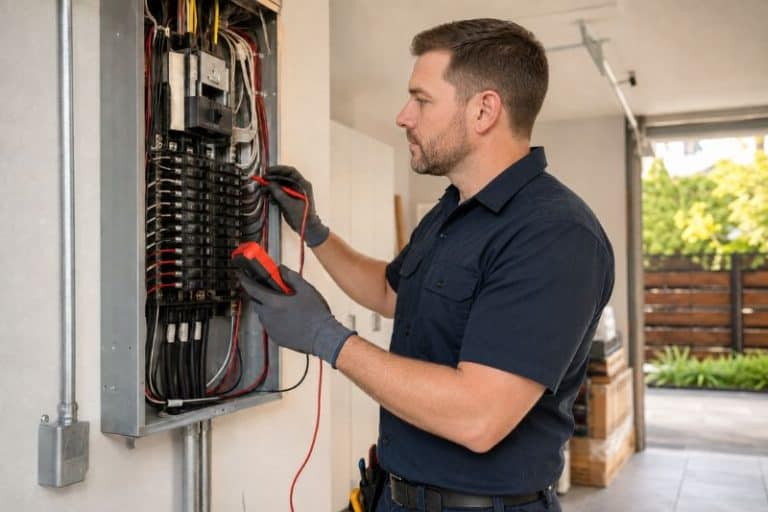
Insurance companies rarely start by evaluating outlets, switches, or lighting circuits. They start with the electrical panel, and the reason is straightforward. The panel is the control center for every circuit in the building. Every load, every safety device, and every circuit path runs through it. From a risk standpoint, that makes the panel a single point of failure with consequences that extend throughout the entire property.
Panels are also easy to identify and document. An insurer often only needs to know the brand, the approximate age, and whether it meets current safety standards to make an underwriting decision. In many cases, simply listing a flagged panel type on an insurance questionnaire or inspection report is enough to trigger a replacement requirement. There is no need for visible damage or active problems. The documented failure history of the panel design is the issue, not the current condition of any individual unit.
For multi-unit buildings, the stakes are higher. A panel failure in an apartment building does not affect one tenant. It can affect multiple units, shared electrical systems, and common areas simultaneously. That increases the potential claim value and liability exposure substantially, which is why insurers apply more scrutiny to older panels in multi-unit properties than in single-family homes.
The conclusion: a panel that is functioning normally today is not automatically acceptable to an insurer. If the panel brand carries a documented failure history, the insurer is evaluating what the panel is likely to do over the next policy period, not what it has done so far. That distinction is why panel replacement notices arrive without any prior incident.
The four panel brands most commonly flagged in Los Angeles
When insurance companies require an electrical panel upgrade, the requirement is almost always tied to specific brands with documented failure histories. These four panels appear regularly in older Los Angeles homes and apartment buildings and are the most frequent triggers for insurance-mandated replacement.
Zinsco panels
Zinsco panels are widely found in Los Angeles buildings constructed from the 1950s through the 1970s. The core failure mode is a bus bar and breaker connection problem that allows breakers to appear tripped while still conducting power. Internal components can overheat and melt without the breaker fully disconnecting the circuit. Failures often occur without warning, and the panel may show no external signs of damage until significant heat has already been generated inside the enclosure. Insurance carriers treat Zinsco panels as unacceptable risk regardless of their current operating condition.
Federal Pacific Electric panels
Federal Pacific Electric panels, sometimes called Stab-Lok panels after the breaker design, are among the most commonly cited brands in insurance-related upgrade demands in California. The documented problem is that breakers fail to trip during overloads and short circuits, allowing heat to build in circuits that should have been interrupted. Many insurers will not write or renew a policy on a property with an FPE panel still in service, regardless of the property’s overall condition.
Challenger panels
Challenger panels are found in older residential and multi-unit properties across Los Angeles. Breaker reliability concerns and compatibility issues with replacement parts make these panels increasingly difficult to service safely. As components age, the failure risk grows, and insurers view them as a long-term liability even when they are currently operating without visible problems. The lack of available listed replacement breakers compounds the risk over time.
Pushmatic panels
Pushmatic panels use a push-button breaker design rather than the toggle switches found in modern panels. Over time, the breaker mechanisms become stiff or fail internally, making them difficult to test or reset correctly. Replacement parts are limited and increasingly inconsistent in quality. Because these panels cannot be reliably maintained to the standards insurers require, they are frequently included in insurance-mandated replacement lists even when the panel appears to be functioning day to day.
The conclusion: none of these panels need to be visibly damaged or actively failing to trigger an insurance requirement. The documented failure history of the panel design is the issue. If your building in Encino, Sherman Oaks, Koreatown, or anywhere else in Los Angeles contains one of these four brands, a replacement requirement is a matter of when, not whether.
Why multi-unit buildings and property managers face the most pressure
Property managers and multi-unit building owners in Los Angeles are facing more aggressive insurance scrutiny than single-family homeowners, and the reasons are structural. In an apartment building, a panel failure does not affect one family. It can affect dozens of residents at once, disrupt shared building systems, and create liability exposure across multiple tenants simultaneously. That scale of potential loss makes insurers far less flexible about older panels in multi-unit properties.
Insurance carriers evaluate the entire building’s electrical system during underwriting, not just individual units. A property manager may have no tenant complaints, no tripping breakers, and no outages, and still receive a requirement for panel replacement if the building’s electrical infrastructure does not meet current standards. This surprises many property managers who assume that the absence of visible problems means the system is acceptable to insurers.
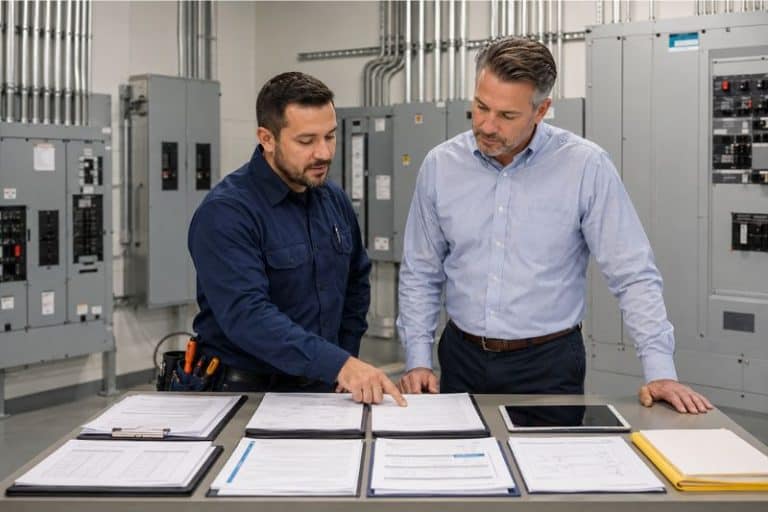
Documentation requirements are also stricter for commercial and multi-unit properties. Insurance companies typically require confirmation that work was performed by a licensed electrical contractor, that permits were pulled with the city, that final inspections were completed, and that certificates of insurance are available on request. Property managers who have had electrical work done in the past by unlicensed contractors or without permits frequently run into compliance problems at exactly the wrong moment, when a renewal deadline is already in place.
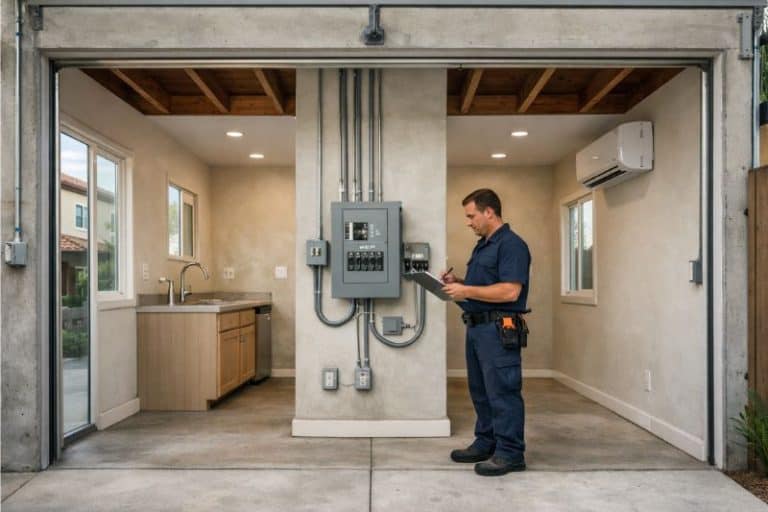
Panel upgrades in multi-unit buildings also rarely happen in isolation. Once a panel is opened and an inspector is on site, other conditions in an older building often come into view, such as double-tapped breakers, aging or undersized wiring, improper grounding, and code violations that must be corrected before final approval is granted. For commercial electrical work in Los Angeles, working with a contractor who understands how these inspections unfold in older LA buildings makes the difference between a smooth project and one that stalls mid-permit.
The conclusion: multi-unit property managers are the most exposed segment in the current insurance environment. A single flagged panel in a building can trigger a building-wide review, and documentation deficiencies from prior unpermitted work can surface at the same time. Acting before the renewal notice arrives preserves the ability to address both on a managed timeline.
What happens when you ignore an insurance deadline
When an insurance company issues a panel replacement requirement with a compliance deadline, the consequences of ignoring it are concrete and serious. Policy non-renewal is the most common outcome. Carriers give a compliance window, and if the upgrade is not completed and documented within that window, they decline to renew. For older multi-unit buildings in Los Angeles, finding replacement coverage after a non-renewal can be difficult and significantly more expensive than the original policy.
A less visible but equally serious outcome is the electrical exclusion. Some insurers do not cancel the policy immediately. Instead, they add an exclusion that removes coverage for any claim related to the electrical system. The property appears insured on paper, but if an electrical fire or panel-related failure occurs, the claim is denied. Many property owners do not discover this until after an incident has already happened.
Delay also turns a planned project into a rushed one. When a deadline is close, scheduling becomes compressed, and there is little flexibility if complications arise during the upgrade. In multi-unit buildings, that pressure creates tenant disruption that a properly planned project would have avoided entirely. Rushed timelines also increase the likelihood that secondary issues discovered during the panel work create approval delays, which extend the coverage gap rather than resolving it.
The conclusion: ignoring an insurance panel deadline does not make the deadline go away. It converts a manageable compliance project into a coverage crisis with compressed timelines, reduced options, and higher costs. Proactive upgrades give property owners control over timing, scope, and tenant coordination.
Why licensed, permitted work is what insurers actually require
Insurance companies are not satisfied by a new panel alone. They require documentation that the work was completed according to current safety standards, by a licensed contractor, with permits and inspections that verify the installation. A panel replacement that looks complete does not satisfy insurance requirements if the proper process was not followed.
Unpermitted panel work creates long-term problems that go beyond the immediate insurance question. At the point of sale, during refinancing, or when a future insurance claim is filed, unpermitted work raises questions that are difficult and expensive to resolve after the fact. Lenders and insurers ask for permit history, and a panel replaced without one can require the work to be redone entirely to meet compliance standards.
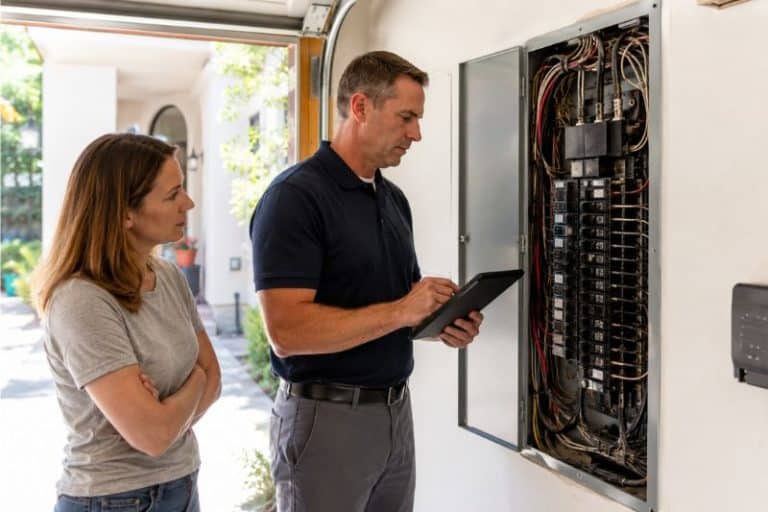
City inspections also serve a purpose beyond satisfying the insurer. In older Los Angeles buildings, inspections routinely surface conditions that are not immediately visible, including grounding deficiencies, outdated wiring methods, and breaker configurations that do not meet current code. These discoveries protect the property owner from future failures and denied claims, even when they feel inconvenient in the moment. A proper electrical panel upgrade in Los Angeles includes the permit, the inspection, and the documentation, not just the equipment.
The conclusion: the documentation from a licensed, permitted panel replacement is what closes the insurance compliance loop. Without it, the replacement may have happened but the compliance requirement has not been met. RG Electric, C10 #910807, provides the complete documentation package at every project closeout.
How RG Electric handles insurance-driven panel upgrades
RG Electric works regularly with property owners and managers who are responding to insurance requirements, particularly in older Los Angeles buildings. These projects are handled with a clear understanding that the goal is not just installing new equipment, but meeting insurance expectations and passing inspections without delays or repeat visits.
We pull all required LADBS permits before work begins, coordinate utility shutoffs with LADWP, and attend the city inspection on your behalf. At closeout, you receive a complete documentation packet that includes the closed permit, inspection sign-off, labeled circuit directory, and photos of the completed installation. This is the documentation package that insurance carriers and property management records require.
For multi-unit properties, we build a phased schedule that structures shutoffs by building section to minimize tenant disruption. We post advance notices, coordinate access with management, and work off-hours when the scope requires it. Clear communication throughout the project means property managers are not managing an information gap on top of an already time-sensitive compliance situation.
Insurance-driven upgrades leave little room for error. If the work fails inspection or the documentation is incomplete, the coverage problem is not resolved even after the money has been spent. That is why these projects should be handled by electricians who specialize in this work and understand how to complete upgrades that meet both code and insurance standards the first time. RG Electric, C10 #910807, can be reached directly at (323) 521-5131.
Act before insurance forces the timeline
Electrical panel upgrades are becoming a standard requirement for many Los Angeles properties, especially those built before the 1980s. Insurance companies are no longer waiting for failures. They are acting based on risk data, documented failure histories, and the accelerating pressure of California’s insurance market.
For homeowners, waiting usually means rushed decisions and higher costs when a deadline arrives. For property managers and multi-unit owners, delays can impact coverage continuity, tenant relationships, and long-term liability exposure. Addressing panel upgrades proactively gives property owners more control, fewer surprises, and a smoother path to insurance approval.
If your building has a Zinsco, Federal Pacific, Challenger, or Pushmatic panel, or if you have received a notice from your insurance carrier, the time to act is before the deadline, not after.
For immediate assistance or to schedule a professional evaluation, call RG Electric directly at (323) 521-5131.
Always consult a licensed electrician like RG Electric before working on electrical systems.