
 Call (323) 5215131
The Hidden Winter Risks of Space Heaters in Los Angeles Homes
Why winter increases space heater use in Los Angeles homes
Winter in Los Angeles doesn’t bring snowstorms or freezing temperatures, but it does bring enough chilly nights for homeowners to reach for portable space heaters. Many LA homes, especially those built several decades ago, were never designed with whole house heating systems that efficiently warm every room. Older bungalows, mid century homes, and even some newer properties rely on a combination of wall furnaces, heat pumps, or partial HVAC coverage. When temperatures drop into the 40s on winter mornings, homeowners often supplement with a portable heater to keep bedrooms, offices, and living rooms comfortable.
December and January tend to be the peak months for space heater use. Cool evenings, holiday downtime, and longer nights mean people are home more often and using heaters for extended periods. Unfortunately, this increased use places a level of electrical demand on a home’s circuits that they may not be equipped to handle. Many Los Angeles homes were wired long before today’s heating appliances existed, and their electrical systems can show signs of strain quickly once winter arrives.
Why LA homes are especially prone to seasonal electrical stress
Los Angeles has a larger percentage of older single family homes and multifamily properties compared to many other cities. Decades old wiring, limited circuit capacity, and original electrical panels are still common throughout neighborhoods like Echo Park, Silver Lake, Mid City, Hollywood, and Northeast LA. These systems may work fine with typical household devices, but space heaters draw far more power than most equipment in a home.
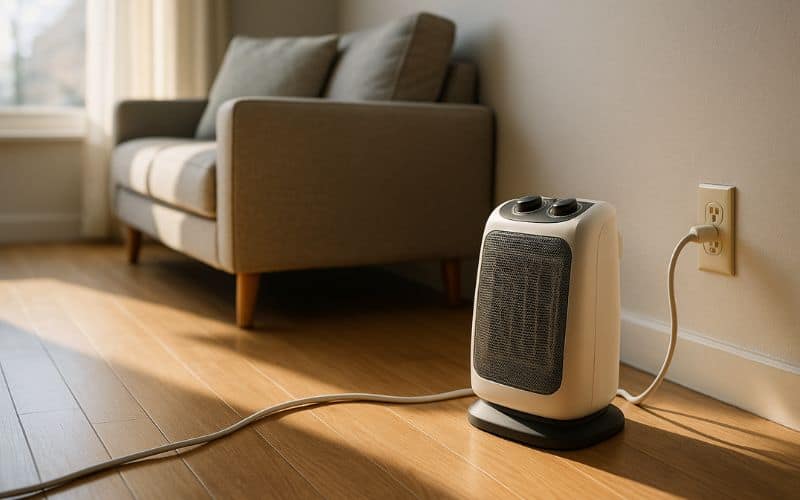
A typical portable space heater uses between 1,200 and 1,500 watts. That’s more than many circuits in older homes were designed to handle. When a homeowner plugs a heater into a bedroom or living room outlet, they may be placing the heaviest electrical load of the entire year onto that circuit. During winter, this can lead to flickering lights, warm outlets, buzzing panels, or repeated breaker trips.
How homeowner behavior changes in winter
Space heaters are often used in the rooms where people spend the most time during colder months. Bedrooms are heated before bedtime, home offices are warmed during working hours, and living rooms run heaters for family gatherings and evenings on the couch. These usage patterns mean certain circuits face continuous high demand that they never experience during warmer months.
This is why winter becomes the season when hidden electrical issues reveal themselves. A heater may operate without problems for the first hour, but as the circuit continues to warm and demand remains high, weak connections or aging wiring may begin to fail under the load.
Why understanding heater related electrical strain matters
Homeowners often assume space heaters are simple appliances, but they are one of the highest wattage devices you can plug into a standard outlet. When used regularly during winter, they can expose wiring issues that have been quietly developing for years. Understanding why winter brings these symptoms helps homeowners recognize when their electrical system may need professional attention.
Why space heaters strain electrical circuits in older LA homes
Space heaters are simple to use, but the electrical strain they place on a home’s wiring is anything but simple. Many Los Angeles homes, especially those built before the 1980s, were wired during a time when high wattage portable appliances were far less common. Bedrooms and living rooms often share circuits, and these circuits were designed for lamps, televisions, and low demand household devices—not 1,500 watt heating units that run continuously for hours.
Aging panels and lower capacity circuits
Many LA homes still operate with 100 amp panels, or even older fuse boxes that were retrofitted over time. These panels were never designed for the modern electrical loads common today, let alone the sudden, sustained draw of a space heater. When a heater is plugged into a branch circuit that was not built for high demand, the system compensates by pushing harder to maintain voltage. This can cause the panel to buzz, breakers to heat up, or lights on the same circuit to dim.
In winter, these symptoms appear more frequently because heaters run for longer periods and often coincide with other household appliances being used at the same time.
How 15 amp bedroom and living room circuits are easily overloaded
Many residential rooms in Los Angeles are wired with standard 15 amp circuits. A single space heater operating at full output can consume nearly the entire capacity of that circuit by itself. The moment another device is used on that same circuit, such as a lamp, TV, vacuum, or hair dryer, the system becomes overloaded. The homeowner may hear a click from the breaker panel, experience partial power loss, or notice the heater turning off unexpectedly.
What feels like a random outage is usually a sign the electrical system is struggling to handle the load.
Historical wiring methods in LA homes create additional challenges
Homes built before modern electrical standards may still contain outdated wiring such as cloth insulated wiring, aluminum branch circuits, or early stages of nonmetallic cable. These wiring types can become brittle or loose over time. When high wattage heaters draw maximum current, weak points in the wiring can begin to heat up, leading to flickering, buzzing, or even scorch marks around outlets.
Space heaters don’t create electrical problems, but they do expose wiring issues that have been present for years.
Why winter conditions magnify these effects
Colder temperatures cause metal conductors to contract. Even small shifts in wiring connections can weaken contact points, making resistive heating more likely when heavy loads are applied. A circuit that seemed fine all year may struggle the moment a heater is plugged in on a cold January morning.
This is why winter becomes the season when homeowners first notice warning signs that the electrical system may be overdue for repairs or upgrades.
The most common electrical problems caused by space heaters
Once winter sets in and heaters start running daily, a predictable pattern of electrical symptoms tends to emerge in Los Angeles homes. These issues are not random, they are tied directly to how heaters interact with overstressed circuits and aging wiring. Understanding these symptoms helps homeowners know when to call a licensed electrician before a minor inconvenience becomes a major hazard.
Outlets that feel warm or hot to the touch
A warm outlet is a clear indication that the circuit is under strain. When a heater draws high current through an older receptacle, loose internal contacts can overheat. If the outlet is warm enough to notice, the circuit needs professional attention. Heat indicates resistance, and resistance in electrical systems is a fire risk.
Breakers that trip repeatedly
While it may be tempting for homeowners to reset a breaker and continue using the heater, repeated tripping is the electrical system saying it cannot safely carry the load. Each trip weakens the breaker over time. A circuit that consistently trips in winter likely needs evaluation to determine whether it is overloaded, poorly connected, or supported by wiring that has deteriorated.
Flickering or dimming lights when the heater turns on
If lights dim when a heater starts, the circuit is experiencing a voltage drop. This is a sign that the wiring is either too long, too thin, or too outdated to handle the heater’s load. It can also indicate loose connections within the electrical panel or aging conductors within the walls.
Flickering lights, even brief flickers, should never be dismissed during winter, they often predict an electrical issue that will worsen with continued heater use.
Buzzing or humming sounds from outlets or the electrical panel
A buzzing panel or outlet may seem subtle, but it can indicate that internal components are under stress. This may be due to a corroded connection, an overloaded breaker, or a compromised section of wiring. Space heaters pull enough current to vibrate weakened components, creating sounds that homeowners might not have heard during any other season.
Damaged plugs or discolored outlets
Brown marks, melting plastic, or a plug that feels unusually hot are clear signs of overheating. These symptoms usually appear in homes with older wiring or worn outlets that have been overused for years. If the heater’s plug or the outlet shows any sign of damage, the device should be unplugged immediately and the outlet replaced by a licensed electrician.
Partial outages or lights cutting out on one side of the home
Space heaters can expose weak neutrals or failing connections in the electrical system. When a portion of lights or outlets in the home lose power intermittently, the issue is more severe than a single tripped breaker. This often requires a full diagnostic evaluation to locate the failing connection.
Hidden fire and safety risks homeowners often overlook
Most homeowners think of space heaters as simple plug in devices, but the electrical strain they place on a home is significant. The danger is not the heater itself, it is the wiring, outlets, and electrical panel behind the walls that may not be prepared for the sudden demand. Many Los Angeles homes contain aging components that work fine under normal conditions but become unsafe when circuits are pushed to their limits during winter.
Overloaded extension cords and power strips
Extension cords are one of the biggest hidden risks associated with space heater use. Many older LA homes have limited outlet spacing, leading people to plug heaters into long, thin cords or power strips that are not rated for high wattage appliances. These cords can overheat quickly, especially when run under rugs or furniture. Even heavy duty cords add extra resistance, which increases heat buildup and fire risk.
Worn or outdated receptacles
Outlets wear out over time. The internal tension that holds a plug in place can loosen after decades of use. When a space heater draws maximum current through a loose connection, the plug can heat up rapidly. This may cause discoloration, melting, or internal arcing, all signs that the outlet needs immediate replacement.
Homes with two prong outlets or older ungrounded wiring are even more vulnerable because the electrical system lacks the grounding protection that modern circuits rely on to reduce shock and fire risks.
Aluminum branch wiring in older LA homes
Some Los Angeles homes built in the 1960s and 1970s were wired with aluminum branch circuits. Aluminum expands and contracts more than copper, which means connections loosen with age. When a space heater pulls a sustained load through an aluminum circuit, those weakened connections can overheat, arc, or fail entirely. Even if the heater is used safely, the wiring may not be able to keep up.
Hidden risks inside outdated electrical panels
Older or obsolete electrical panels — including certain Zinsco, Federal Pacific, and deteriorated fuse panels, may not respond properly when overloaded. Instead of tripping the breaker safely, these panels may allow circuits to overheat. Space heaters quickly expose this kind of panel weakness during winter because the load is both high and sustained.
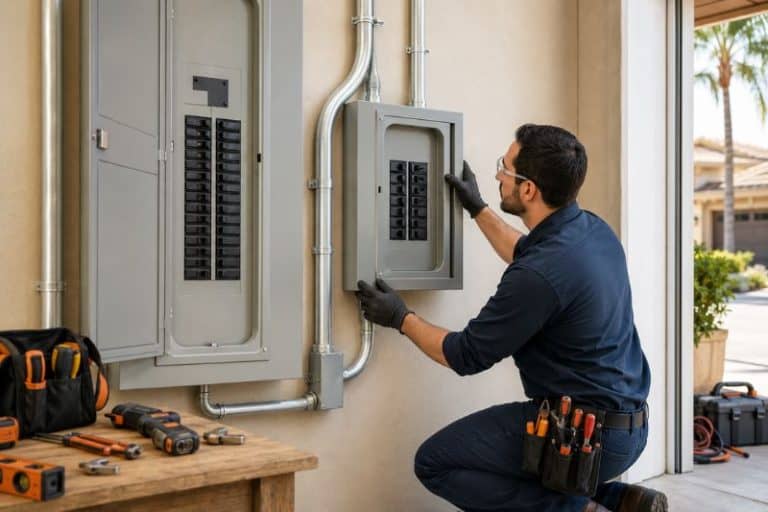
Homeowners often see the symptoms first: buzzing sounds, heat coming from the panel, or breakers that feel loose or fail to reset normally. These warning signs indicate the need for professional inspection or a potential panel upgrade.
Why these risks surface in winter
All year long, minor weaknesses may stay hidden. The wiring may be marginal, the outlets slightly worn, the panel aging, but no single device places enough load on the system to expose the problem. The moment a space heater is plugged in and left running for hours, the electrical system is forced to reveal its true condition.
This is why winter electrical issues should never be ignored. They are telling homeowners something important about the state of their wiring and circuits.
Winter safe practices for using space heaters without overloading circuits
Most homeowners don’t realize that simply plugging in a space heater can overwhelm a circuit that is already at capacity. While the safest long term solution is to improve the home’s electrical infrastructure, there are several winter safe practices that help reduce strain on the system. These are not DIY repair steps, they are usage guidelines that help homeowners avoid unnecessary hazards.
Use space heaters only on dedicated outlets
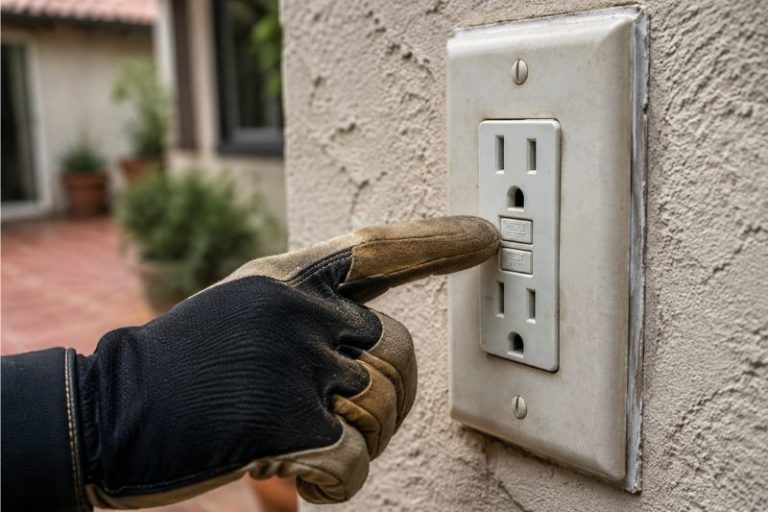
A space heater should always be plugged directly into a wall outlet that is in good condition. Outlets that feel loose, warm, or cracked should be replaced by a licensed electrician. Homeowners who notice repeated outlet issues can learn more about safe replacement options at:
https://www.rgelectric.net/electrical-switches-and-outlets-in-los-angeles/
Avoid using extension cords or power strips
Extension cords and power strips increase resistance in the electrical path. This added resistance creates heat, and heat creates risk. Even when labeled as heavy duty, most cords are not designed for sustained high wattage loads. If an outlet is not conveniently located, this is a sign the home may need additional circuits or outlets installed professionally.
Operate one heater per circuit
A typical 15 amp circuit can only handle one space heater safely. If lights dim, outlets warm up, or breakers trip when other devices are used at the same time, the heater is overloading the circuit. This is a strong indicator that the home’s wiring or panel needs evaluation.
Watch for early warning signs
Winter electrical strain rarely appears without a warning. Homeowners should pay attention to:
- flickering lights
- warm outlets
- buzzing at the electrical panel
- breakers that trip repeatedly
- discoloration around plugs
- a heater that cycles off unexpectedly
These symptoms often mean a repair is needed, not just an adjustment to the heater.
When issues persist, homeowners often require circuit repair or wiring evaluation available at:
https://www.rgelectric.net/wiring-services-in-los-angeles/
Safe heater placement and usage
Heaters should be placed on a stable, flat surface with several feet of clearance on all sides. They should not be covered, placed near curtains, or left running unattended. None of these steps repair electrical issues, but they help reduce the risk of fire or overheating during normal operation.
How to know if your home’s electrical system can safely handle a space heater
Most homeowners do not know whether their electrical system is truly prepared to support a high wattage appliance like a space heater. Because winter brings the heaviest electrical demand of the year, it also becomes the season when hidden weaknesses become obvious. Understanding the early signs can help homeowners stay ahead of electrical failures and prevent unsafe conditions.
Warning signs that a circuit cannot handle the load
When a space heater is too much for the circuit, the symptoms typically appear quickly:
- Breakers trip as soon as the heater reaches full power
- A heater turns off unexpectedly or drops to a lower setting
- Lights dim or flicker in the same room
- Outlets feel warm, loose, or produce a faint burning smell
- A buzzing sound comes from the electrical panel when the heater runs
These symptoms indicate that the circuit is overloaded. Even if the homeowner resets the breaker or moves the heater to another outlet, the underlying issue remains: the wiring or panel is operating beyond safe limits.
When the electrical panel is the source of the problem
Outdated electrical panels are far more likely to struggle with winter loads. Older 60 amp or 100 amp panels were designed for homes with far fewer appliances. A single space heater, combined with televisions, chargers, kitchen devices, and lighting, can push an outdated panel to the edge of its capacity.
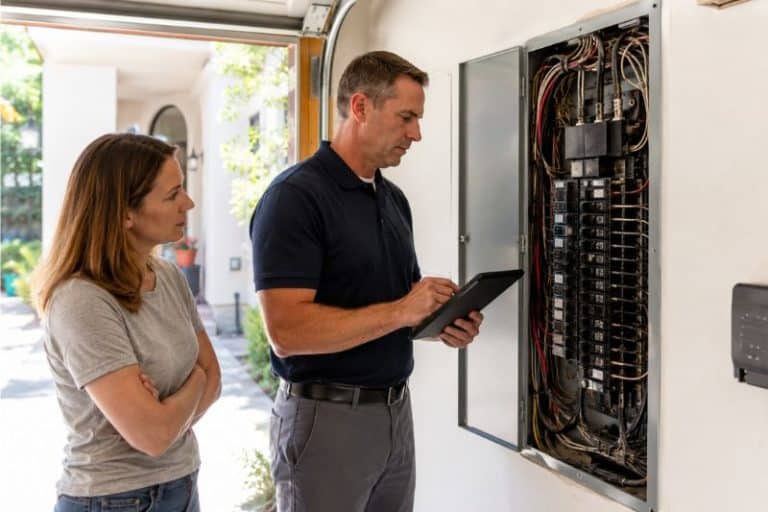
Panels that are known to fail under heavy loads, including older Zinsco and Federal Pacific models, may not trip properly when overloaded. Instead of shutting off safely, they allow circuits to overheat. If a panel makes noise, feels warm, or contains breakers that won’t reset cleanly, homeowners should not delay an inspection.
Panel upgrade information is available here: https://www.rgelectric.net/electrical-panel-services-in-los-angeles/
Homes with older wiring need special attention
Los Angeles has a large number of homes built before modern safety standards. These properties may contain wiring types such as cloth insulated cable, aluminum branch circuits, or early nonmetallic wiring that has aged beyond its intended lifespan. When these wiring systems carry a winter load like a space heater, they can overheat or fail without warning.
Any home experiencing repeated heater related issues should undergo a wiring evaluation by a licensed electrician.
Why professional diagnostics matter
Electrical problems that appear during winter rarely go away on their own. They typically worsen as demand increases. A professional electrician can determine whether the issue lies in the outlet, the circuit, the wiring, or the panel. This helps homeowners stay safe and avoid more expensive repairs later.
How RG Electric helps Los Angeles homeowners stay safe during winter
When electrical issues appear in winter, homeowners often feel unsure whether the problem is the heater or the home’s wiring. RG Electric helps eliminate that uncertainty with professional diagnostics, safe repairs, and code compliant installations tailored to Los Angeles homes.
Circuit and outlet repairs for high demand rooms
Bedrooms, living rooms, and home offices often carry the heaviest winter electrical load. RG Electric replaces worn outlets, repairs loose connections, and upgrades wiring to ensure circuits can safely support modern appliances, including high wattage heaters. These services help homeowners reduce tripping breakers, overheating outlets, and nuisance outages.
Electrical panel upgrades for homes with rising energy needs
Many LA homes still rely on outdated electrical panels that were never designed for the number of devices families use today. Winter exposes these limitations quickly. RG Electric evaluates the panel’s age, capacity, and safety, recommending upgrades when necessary to ensure the home can handle seasonal demand.
Emergency repairs when winter problems appear suddenly
A heater causing repeated breaker trips, partial outages, or unusual smells requires immediate attention. RG Electric provides prompt, safe, and code compliant emergency repairs so homeowners do not have to wait when the electrical system is showing clear signs of strain.
Whole home electrical inspections for seasonal safety
Winter is an ideal time for a full electrical evaluation. RG Electric checks circuits, outlets, panels, grounding systems, and other critical components to ensure the home is ready for increased electrical demand. This approach reduces the likelihood of unexpected failures throughout the colder months.
A trusted partner for safe winter electrical usage
Electrical issues during winter can feel overwhelming, especially in older LA homes where hidden wiring problems are common. RG Electric provides the expert guidance homeowners need to stay warm safely, without guessing which parts of the electrical system may be at risk.
Call to action
Homeowners experiencing heater related electrical issues should not ignore the signs. RG Electric delivers safe, reliable solutions for Los Angeles homes all winter long.
Call RG Electric at (323) 521-5131 or request a free estimate at https://www.rgelectric.net/contact-us/
Required safety disclaimer
Electrical work is hazardous. Consult a licensed electrician like RG Electric for inspections, permits, and code compliant installations.