
 Call (323) 5215131
Winter Power Quality Problems in LA Commercial Buildings
Why winter exposes power quality problems in Los Angeles commercial buildings
Winter in Los Angeles may not bring heavy snow or extreme cold, but it does create very real electrical challenges for commercial buildings. Shorter days, colder mornings, increased tenant occupancy, and heavier equipment usage all put strain on electrical systems that may already be aging or overloaded. For many property managers, January and February become the months when long-standing electrical issues begin to show themselves in ways that impact tenants, productivity, and building operations.
Even a mild LA winter can reveal hidden weaknesses, voltage drop, flickering lights, buzzing panels, equipment that shuts down unexpectedly, or circuits that seem stable one moment and overwhelmed the next. These issues often appear suddenly, but they rarely start in winter. Instead, winter simply creates the conditions that expose them.
Why winter conditions create more electrical complaints
During the colder months, commercial tenants rely heavily on interior lighting, HVAC systems, computers, point-of-sale equipment, machinery, and temporary heating devices. This seasonal rise in electrical demand leads to more start-up loads and more moments during the day when circuits experience stress. When tenants turn on heaters in the morning, or when HVAC systems cycle more frequently, the sudden draw on the electrical system can cause voltage fluctuations and dimming lights in suites across the property.
These symptoms aren’t random. Winter places more simultaneous demand across circuits. When too many tenants draw power at once, morning opening hours, late afternoon activity, or seasonal operations, the system’s weakest points become more noticeable.
How older LA commercial buildings are uniquely affected
Los Angeles has a large inventory of commercial buildings that were constructed long before modern electrical codes. Many office complexes, mixed-use properties, and retail centers built between the 1940s and 1980s still rely on electrical infrastructure that has been upgraded only in small sections over time. These systems often have long feeder runs, shared neutrals, outdated panels, or mismatched wiring that responds poorly to winter changes.
When colder weather arrives, older wiring contracts slightly, loosening already worn connections. Breakers that were sensitive all year begin tripping more frequently. Panels with limited capacity struggle when heaters, lighting, and equipment all come on at once. Even properties with updated suites may still have older backbone wiring behind the walls or above the ceiling tiles.
The human impact on tenants and building operations
For tenants, power quality issues can feel disruptive and frustrating. Flickering lights affect retail presentations and office productivity. Voltage drop can cause equipment to reset, POS terminals to reboot, or computers to shut down unexpectedly. In industrial or creative office settings, sensitive equipment may fail or operate inconsistently.
When these issues arise in winter, property managers often receive more service requests, more emails, and more complaints, not because the building suddenly has major electrical failures, but because winter makes the system’s weak points more visible.
Winter is the ideal season for identifying, and fixing, power quality problems
Most importantly, winter electrical symptoms offer property managers a valuable opportunity. The issues that surface now give a clear picture of where the building needs attention. Instead of reacting to outages or tenant complaints later in the year, winter makes it easier to diagnose problems early and plan safe, cost-effective upgrades.
Common power quality issues in commercial properties during winter
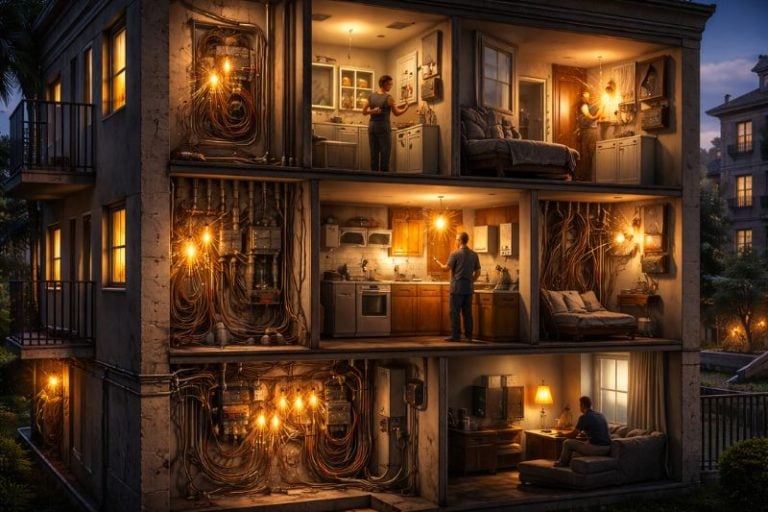
As winter electrical demand increases across Los Angeles, commercial buildings begin to show patterns that point to underlying power quality problems. These issues may seem unrelated at first, but they share a common cause: the electrical system is being pushed to handle more load than it typically experiences during the rest of the year. When multiple tenants use heaters, lighting, computers, and equipment simultaneously, the system’s weakest points become more noticeable.
Voltage drop across long feeders and aging conductors
In many commercial buildings, especially multi-unit properties and older office complexes, power must travel long distances from the main panel to suites, lighting circuits, or mechanical rooms. When feeders or branch circuits are older, undersized, or weakened by years of use, voltage drop becomes more pronounced in winter. Tenants may notice lights dimming when HVAC systems start up or when high-demand equipment turns on.
This seasonal dip in voltage is one of the most common winter complaints and often signals the need for a deeper diagnostic evaluation or circuit balancing.
Light flicker caused by winter start-up loads
Flickering lights are another issue that becomes more frequent in December and January. While a single flicker may seem minor, repeated flickering across multiple suites often indicates that panels, shared neutrals, or feeders are under strain. When HVAC units or heaters cycle on, the sudden inrush of current can cause lights to dip momentarily, revealing weaknesses in the electrical distribution system.
For buildings with aging lighting infrastructure, winter is also when drivers, ballasts, and older fixtures begin to fail under colder temperatures.
Intermittent equipment shutdowns
Commercial tenants rely heavily on equipment that is sensitive to voltage fluctuations. During winter peaks, even a small drop in voltage can cause computers, POS terminals, printers, industrial tools, or restaurant equipment to reboot or shut down unexpectedly. These shutdowns often lead to tenant frustration and requests for immediate electrical repairs to maintain operations.
When these problems become frequent, property managers often turn to emergency electrical repair services at: https://www.rgelectric.net/emergency-electrical-repairs-in-los-angeles/ to keep tenant operations stable during peak winter hours.
Common areas and mechanical rooms may show early warning signs
Even if tenant complaints are minimal, property managers may notice unusual humming or minor buzzing around panels, lighting contactors, or mechanical room equipment. These sounds often indicate stressed components and should be evaluated promptly, especially during the colder months when equipment cycles more aggressively.
What causes voltage instability in older or mixed-use commercial buildings
Voltage instability is one of the most frequent winter electrical challenges in Los Angeles commercial buildings. While it often appears as flickering lights, slow equipment performance, or random shutdowns, the underlying causes are usually tied to the building’s electrical infrastructure. Winter simply magnifies them.
Aging wiring and long branch circuits
Many commercial buildings constructed before the 1980s still rely on wiring that is several decades old. When this wiring carries power across long distances, down hallways, between floors, or across large retail or office spaces, voltage drop becomes more likely. As temperatures cool, older copper or aluminum conductors may contract slightly, further weakening already loose connections.
This is why voltage instability often shows up first in remote suites or upper floors that are farthest from the main service.
Outdated panels and shared neutrals
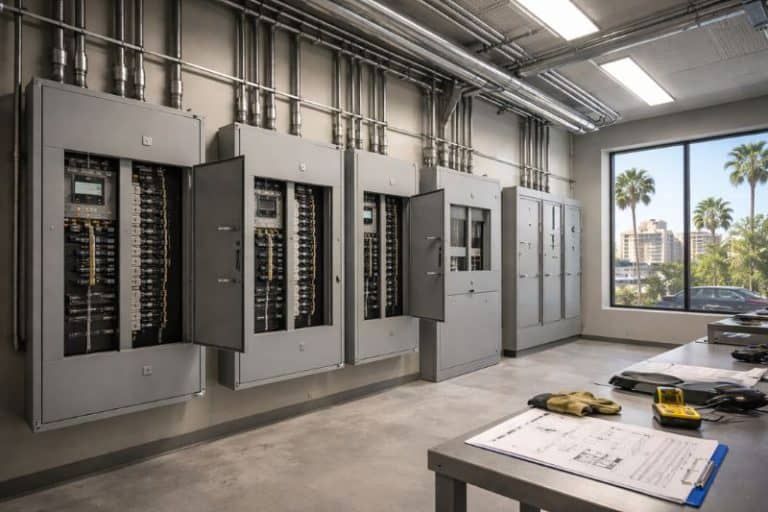
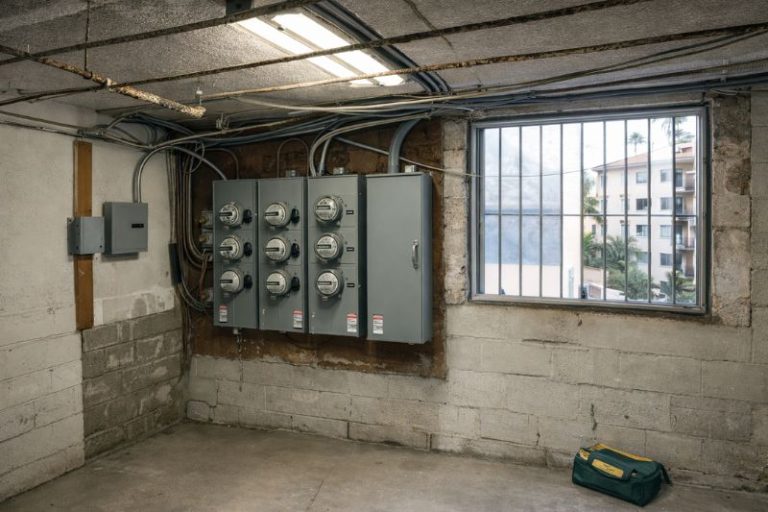
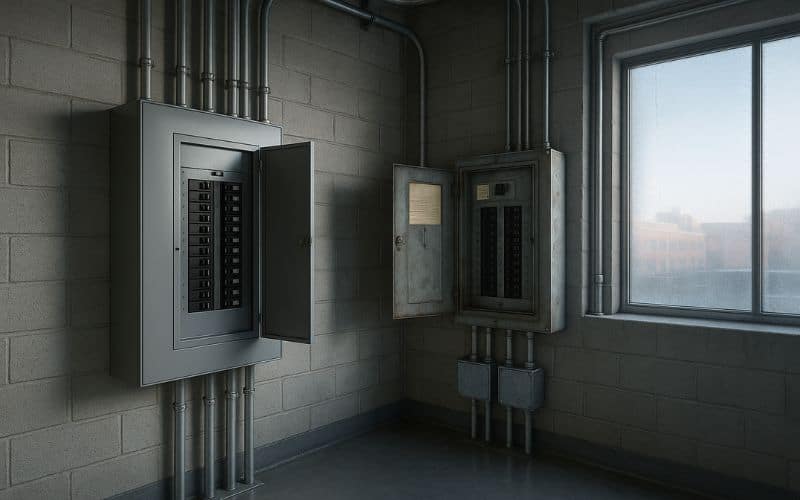
Winter often exposes problems inside older panels, especially when multiple tenants share the same electrical infrastructure. Panels with limited capacity, worn breakers, or outdated bus bars may struggle when heaters, lighting, and equipment all turn on at once.
Shared neutral configurations, common in older buildings, can make voltage fluctuations worse during seasonal load increases. A single overloaded neutral can cause lights to brighten or dim across multiple suites simultaneously.
When outdated panels are part of the issue, many property managers explore panel upgrade or repair services at: https://www.rgelectric.net/electrical-panel-services-in-los-angeles/
Seasonal HVAC and temporary heaters
HVAC systems work harder in the winter, starting more frequently and drawing more power. These start-up loads can cause momentary voltage dips, especially when the system is older or the building’s electrical infrastructure is already strained.
Temporary heaters used by tenants during colder mornings are often the biggest contributors to voltage instability. Many of these devices draw significant current and can overwhelm circuits that were not designed to handle high-wattage heating equipment.
When to involve a commercial electrician
Resetting breakers, replacing lamps, or advising tenants to unplug devices may reduce symptoms temporarily, but they rarely address the root cause. Persistent flickering, voltage dips, warm panels, or equipment shutdowns indicate that the building needs a diagnostic evaluation from a licensed commercial electrician.
A professional assessment can determine whether the issue stems from circuit imbalance, panel capacity, deteriorated wiring, or environmental factors. Addressing these problems during the winter prevents more serious issues later in the year and helps maintain reliable tenant operations.
How winter moisture affects commercial electrical performance
Moisture is one of the most underestimated contributors to winter electrical issues in Los Angeles commercial buildings. While LA’s climate is generally dry, winter brings colder mornings, coastal fog, and occasional rain. These mild shifts are enough to introduce moisture into areas of a property that are particularly sensitive to electrical performance. Older wiring, outdoor infrastructure, rooftop equipment, and parking structures all tend to show moisture-related problems during the season.
Rooftops and exterior conduits
Many commercial electrical systems route conduits, feeders, and junction boxes across rooftops. During winter, these areas experience temperature swings that lead to condensation inside metal conduits. When moisture accumulates, it can cause corrosion at connections, intermittent faults, or flickering in lighting circuits that run to common areas or signage.
Rooftop HVAC units also cycle more often in the winter, and moisture can seep around their electrical components. These minor intrusions can cause significant power quality issues once colder weather hits.
Parking garages and subterranean levels
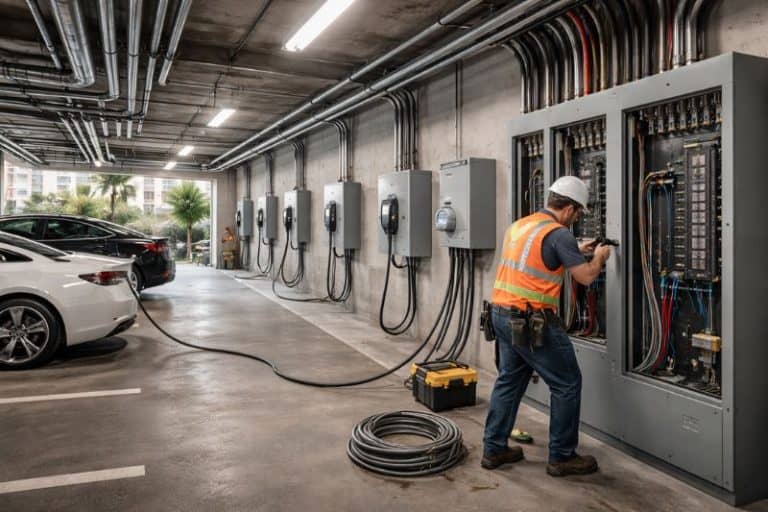
LA’s underground parking structures are naturally humid in winter, especially after rainfall or when temperatures shift rapidly overnight. Many garages have aging lighting circuits, corroded junction boxes, or older transformers that deteriorate faster when exposed to continuous moisture.
Moisture intrusion in these environments often leads to recurring flicker, unreliable lighting, nuisance tripping, or electrical equipment that behaves inconsistently. Property managers sometimes assume these symptoms are isolated to lighting fixtures, but they often indicate broader electrical problems related to moisture exposure.
Mechanical rooms and equipment enclosures
Mechanical rooms tend to be cooler than interior spaces, particularly in older buildings with poor ventilation. During winter, these rooms can experience condensation on equipment surfaces. When electrical components are exposed to even small amounts of moisture, connections weaken and voltage irregularities become more frequent.
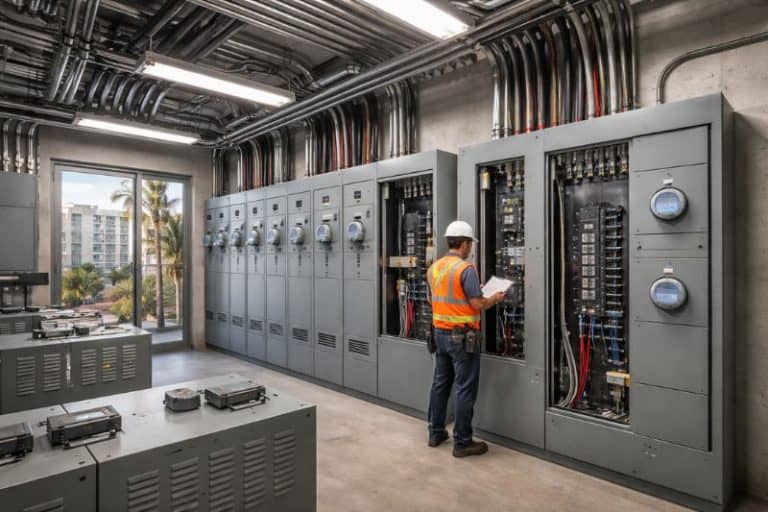
These rooms often contain transformers, disconnect switches, and control wiring that affect multiple tenant areas. Moisture-related failures in a mechanical room can create widespread symptoms, including flicker, slow equipment response, or circuits that behave unpredictably during high-demand hours.
Why moisture makes power quality complaints worse
Moisture reduces the effectiveness of electrical insulation and increases electrical resistance. When combined with winter’s heavier load like heaters, lighting, HVAC cycles, etc., any weakened component becomes more likely to fail. If tenants begin noticing increased flickering, equipment rebooting, or inconsistent lighting after a rainy week or cold morning, moisture intrusion is often a contributing factor.
Winter is the season when moisture-related electrical problems become most noticeable and should be addressed promptly to prevent more serious failures.
Warning signs property managers should pay attention to
Winter brings an increase in power quality complaints, but not all symptoms are immediately obvious. Some appear gradually, while others show up only during peak demand or sudden temperature changes. Recognizing these signs early can help property managers schedule corrective action before tenants experience downtime or safety concerns.
Lights dimming when HVAC or equipment starts
One of the clearest winter signals is dimming lights when heating systems cycle on or when large tenant equipment starts. This indicates that circuits or panels are struggling to maintain stable voltage. If dimming happens across multiple suites or in common areas, the issue may be building-wide rather than tenant-specific.
Repeated breaker activity or warm electrical panels
Breakers that trip repeatedly, especially during colder mornings, are often responding to winter load increases. While resetting a breaker may restore power temporarily, repeated trips usually point to overloaded circuits, weak connections, aging wiring, or an outdated panel. Panels that feel warm to the touch or emit a faint hum should be evaluated immediately.
Flickering or inconsistent lighting
Flickering in LEDs, fluorescents, or exterior fixtures is a common winter symptom in commercial buildings. It may appear during peak usage, rainy weather, or when HVAC equipment engages. Persistent flicker is often a sign of voltage drop, moisture exposure, or weak connections in aging circuits.
Tenant complaints about equipment rebooting or shutting down
Power quality problems often reveal themselves first through sensitive tenant equipment. Computers restarting, POS terminals freezing, printers stalling, or industrial equipment slowing down are indications of unstable voltage or inadequate circuit capacity. These issues tend to spike in winter, when load is highest.
Property managers dealing with recurring complaints often bring in commercial electrical services for diagnostics at: https://www.rgelectric.net/commercial-electrical-services-in-los-angeles/
Partial outages or circuits that lose power intermittently
Intermittent power is one of the most challenging winter symptoms. A suite may lose power briefly and then recover, or an area of the building may experience random outages during morning peaks. These intermittent issues often point to moisture intrusion, worn panel components, or overloaded circuits that need professional evaluation.
Recognizing these warning signs early helps property managers avoid escalation and maintain stable operations throughout the colder months.
Winter-safe electrical practices for commercial buildings
Los Angeles commercial buildings experience predictable increases in electrical demand every winter. While property managers cannot control how every tenant uses electricity, they can adopt building-wide practices that reduce strain on the system and prevent the most common winter power quality issues. These practices do not involve DIY electrical work but focus on managing demand, improving safety, and ensuring that equipment operates within safe parameters.
Managing winter loading across suites and common areas
Even in well-designed commercial buildings, simultaneous usage during peak hours can overwhelm circuits that perform fine during warmer months. Property managers can reduce strain by adjusting lighting schedules, ensuring that exterior and garage lighting are on automated timers, and staggering the operation of large equipment in mechanical rooms. For buildings with multiple tenants, communicating simple winter guidelines—such as avoiding space heaters on circuits with heavy equipment—can significantly reduce seasonal issues.
Monitoring mechanical room and HVAC performance
HVAC systems work harder during colder weather, cycling more frequently and drawing more current at startup. Mechanical rooms should be inspected for signs of stress, such as buzzing contactors, warm disconnects, or dimming lights when equipment engages. These are early indicators that downstream circuits or equipment may need evaluation. Because HVAC units often share circuits with lighting or equipment in older buildings, winter can expose imbalances that went unnoticed during the summer.
Reducing reliance on temporary heating devices
Temporary heaters are one of the most frequent contributors to winter power quality problems. Many tenants plug in high-wattage devices that commercial circuits were never designed to handle. A single portable heater can draw as much current as an entire office suite’s lighting load. Property managers may encourage tenants to limit heater usage or ensure they plug heaters into dedicated circuits where possible.
When heater usage causes tripping or flickering, it may indicate deeper issues in the building’s wiring. In those cases, commercial electrical repair services in Los Angeles can help diagnose the cause at:
https://www.rgelectric.net/electrical-repairs-services-in-los-angeles/
Identifying when diagnostics are needed
Some winter symptoms are temporary. Others indicate underlying electrical issues that will return year after year unless corrected. If a building experiences repeated voltage dips, flickering across multiple suites, warm panels, or intermittent equipment failures, these are not isolated tenant problems—they are building-level issues.
Diagnostics may include voltage testing under load, infrared inspections for hot spots, circuit balancing, panel evaluation, and assessing feeder performance. Addressing these issues in winter helps ensure safe and stable operation during the rest of the year.
How RG Electric solves winter power quality issues for LA commercial properties
Power quality problems can disrupt tenant operations and create costly downtime, especially in winter when electrical loads are at their highest. RG Electric works with Los Angeles property managers, building engineers, and HOAs to diagnose and correct these seasonal electrical issues before they escalate. The goal is not just to fix symptoms but to strengthen the building’s electrical infrastructure for long-term safety and reliability.
Winter-focused diagnostics for commercial buildings
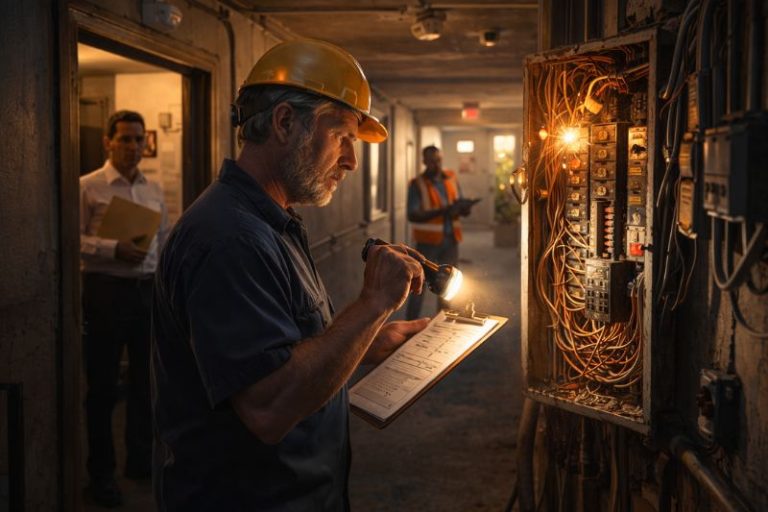
RG Electric begins by evaluating the electrical system under real winter conditions. Technicians test voltage across circuits, measure load during peak tenant activity, and inspect connections at panels, feeders, and mechanical rooms. This diagnostic approach reveals loose connections, moisture-related issues, voltage drop, panel overloads, or weakened breakers that only show symptoms during colder months.
When winter flicker, dips, or equipment failures occur, RG Electric identifies the root cause instead of relying on temporary fixes.
Circuit balancing, panel improvements, and wiring upgrades
Many power quality problems stem from imbalanced circuits or panels that were not designed for modern commercial usage. RG Electric can rebalance circuits, replace degraded breakers, improve panel capacity, or upgrade outdated wiring. When panels are outdated or compromised, building managers often look into panel services at: https://www.rgelectric.net/electrical-panel-services-in-los-angeles/
Upgrades like these provide more stable voltage, better load management, and increased reliability during winter months.
Protection against moisture, surges, and winter grid fluctuations
Winter weather and grid instability can lead to unexpected surges or spikes. Moisture entering panels or conduits can worsen these vulnerabilities. For buildings sensitive to winter fluctuations, installing surge protection or upgrading exterior circuits helps prevent equipment damage and costly outages.
For facilities with frequent winter disruptions or sensitive equipment, whole-building protection and circuit remediation can significantly reduce downtime.
Reliable service that supports tenant operations
The objective is simple: help commercial buildings operate safely and consistently during winter. Power quality issues often affect multiple tenants simultaneously, and resolving them quickly helps maintain confidence between property managers and occupants. With RG Electric providing diagnostics, repairs, and panel improvements, buildings enter the winter season with fewer surprises and better protection against seasonal electrical strain.
Schedule your winter electrical evaluation
If your building is experiencing flickering lights, voltage dips, warm electrical panels, or equipment shutdowns this winter, now is the ideal time to schedule a professional evaluation.
Call RG Electric at (323) 521-5131 or request a free estimate at https://www.rgelectric.net/contact-us/
Electrical work is hazardous. Consult a licensed electrician like RG Electric for inspections, permits, and code compliant installations.