
 Call (323) 5215131
Winter Electrical Safety Tips for Los Angeles Homes With Older Wiring
Why winter puts extra stress on older wiring in Los Angeles homes
Los Angeles may not experience the severe winters seen in other parts of the country, but December and January create a unique electrical environment that affects homes with older wiring more than any other time of year. Colder mornings, increased moisture, and heavier electrical demand combine to place additional stress on circuits that may already be near the end of their useful life. For many homeowners, this is the season when long-hidden electrical issues finally become visible.
How winter exposes weaknesses in older wiring
Older LA homes, those built before the late 1970s, often contain wiring systems that have been in service for decades. These systems can be functional, but their insulation, connections, and circuit capacity are far less resilient than what modern wiring provides. When temperatures drop, metal components contract slightly. This contraction can loosen already aging connections, especially in wiring that has become brittle or oxidized. At the same time, cold air moving through walls can make older insulation more fragile, increasing the likelihood of cracking or fraying.
Winter also brings more moisture into the home environment. Bathrooms and kitchens produce more steam when the weather cools, and exterior walls can develop condensation during cold mornings. Older wiring that runs through these areas is more likely to be affected by moisture, which can cause intermittent faults, nuisance tripping, or inconsistent power.
Seasonal electrical demand increases
Winter is also the time when homeowners use more electricity than usual. Space heaters, portable kitchen appliances, holiday lighting, heated grooming tools, and extended indoor lighting all draw from circuits that may not have been designed for modern usage levels. Older wiring, especially aluminum branch circuits or cloth-insulated copper, often struggles under this load. Breakers may trip more often, lights may dim during appliance startup, and outlets may feel warmer than normal.
Even if a home’s electrical system seemed stable all year, winter loading can reveal problems that were simmering quietly in the background. Many Los Angeles homeowners first notice trouble during the holidays, when decorations and kitchen appliances push their circuits beyond what older wiring can safely support.
Why Los Angeles’ older housing stock is especially vulnerable
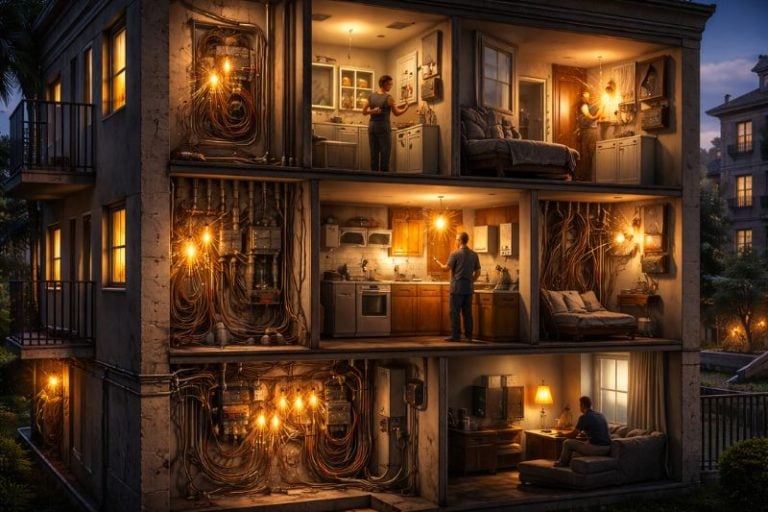
Los Angeles is home to thousands of houses built between the 1920s and the 1970s, many of which still rely on their original wiring or partial upgrades performed decades ago. These homes often have a mix of wiring types behind the walls, some updated, some not. Even in properties that have undergone remodeling, contractors may have left original wiring in certain circuits or areas that were not part of the renovation.
As a result, a home may appear modern on the surface, yet contain aging, sensitive electrical components beneath the walls. Winter stress can bring these hidden challenges forward. Homeowners may begin experiencing flickering lights, tripping breakers, or outlets that behave unpredictably, even if the same circuits worked well in the summer.
What homeowners typically notice first
The earliest signs of winter wiring fatigue are often small but persistent. Lights may dim when a heater turns on. A breaker may trip randomly overnight. An outlet may feel warmer than usual. Sometimes a circuit works fine for weeks, then suddenly loses power on a cold morning. These symptoms can feel isolated, but together they point to winter-related stress on older wiring that needs attention.
A home with aging wiring can remain safe with the right precautions and professional maintenance. Winter simply makes it clear when the system needs evaluation or upgrades to support today’s electrical usage.
Understanding the types of older wiring still found in LA homes
Los Angeles has one of the largest collections of older housing in the country. Many homes built before the late 1970s still contain original wiring, or a mix of old and partially updated circuits. While this wiring may function under normal conditions, winter stresses the system in ways that highlight age-related weaknesses. To understand why winter electrical safety matters so much, it helps to know the types of older wiring still hiding behind walls in many LA homes.
Cloth-insulated wiring
Homes built from the 1920s through the 1950s often contain cloth-insulated wiring. Over time, this insulation becomes brittle, dry, and flaky. When temperatures drop or moisture enters exterior walls, this old insulation can crack, exposing conductors and increasing the risk of short circuits. Cloth insulation is particularly vulnerable in attics and crawlspaces, where winter temperature swings are most extreme.
Aluminum branch circuit wiring
During the 1960s and early 1970s, aluminum branch circuits were common. Aluminum expands and contracts more than copper in response to temperature changes. In winter, this makes connections more prone to loosening. A loose aluminum connection creates electrical resistance, which can lead to warm outlets, flickering lights, or tripping breakers when winter loads increase.
Homeowners often notice symptoms only during colder months, when space heaters and holiday lighting place additional demand on already sensitive aluminum circuits.
Early-generation Romex and mixed wiring systems
Some Los Angeles homes built in the 1970s contain early-generation Romex, which may not withstand winter temperature changes as well as modern NM-B cable. Many homes also contain a patchwork of wiring, some newer, some much older, depending on how renovations were performed. This creates circuits with inconsistent performance, especially when heavy winter loads expose weak links in the system.
Early signs of deterioration
Older wiring tends to fail gradually. Homeowners may notice:
- Occasional flickering when appliances turn on
- Mild buzzing from switches or outlets
- Warm outlet plates
- Breakers tripping for no clear reason
- Lights dimming in the early morning or evening
These symptoms often intensify during winter because the conditions that stress older wiring like moisture, temperature changes, and heavier loading, are more common this time of year.
Winter electrical load increases that strain aging circuits
Even in Los Angeles, winter brings higher electrical usage to most households. Shorter days, cooler nights, and seasonal activities all contribute to elevated demand. For homes with older wiring, these increases can strain circuits that were never designed for modern loads. Winter is when homeowners begin to notice problems that remained hidden during the rest of the year.
Heaters and supplemental heating devices
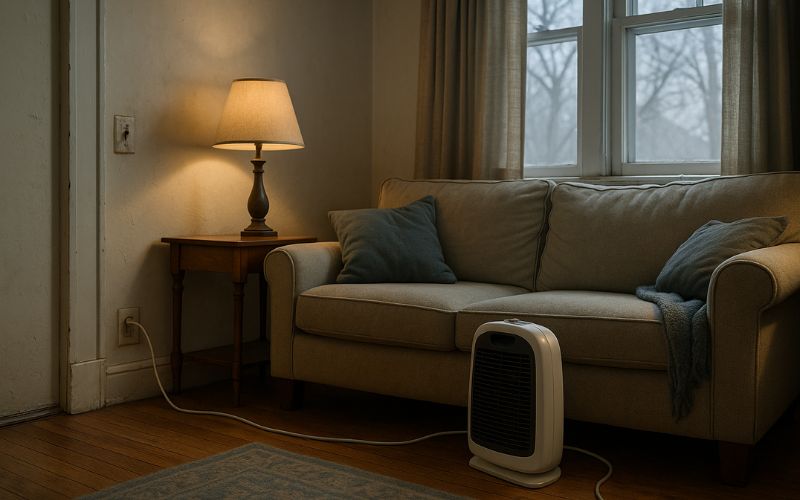
Portable heaters are one of the biggest winter stress points for older electrical systems. A single heater can draw more power than several lights and appliances combined. On circuits with older wiring, the sudden power demand can cause lights to dim, breakers to trip, or outlets to feel unusually warm. For many homeowners, these symptoms appear as soon as nighttime temperatures drop.
Holiday lighting and seasonal appliances
Holiday decorations, string lights, and inflatable outdoor displays add additional load to circuits that may already be struggling. Older wiring that functions adequately during the summer may not handle the sudden increase in winter lighting demand. Outdoor circuits are particularly vulnerable, especially when moisture is present.
If these seasonal loads begin tripping breakers or affecting lighting, it may indicate a wiring or circuit problem that requires evaluation. In these situations, homeowners often turn to electrical repairs services in Los Angeles at: https://www.rgelectric.net/electrical-repairs-services-in-los-angeles/
Kitchen appliance demand during winter gatherings
Winter is also the season when kitchen appliances work the hardest. Coffee makers, air fryers, mixers, toaster ovens, and microwaves may all share the same older circuit. Homes with original wiring or outdated panels often experience tripping in December and January simply because these appliances place too much load on brittle or undersized wiring.
Older outlets and switches may also struggle under this load. When homeowners notice buzzing, discoloration, or warm outlet covers, it is often time to explore electrical switches and outlets services at:
https://www.rgelectric.net/electrical-switches-and-outlets-in-los-angeles/
Hidden damage that winter exposes
Some circuit issues remain dormant until winter conditions bring them to the surface. Moisture from cold mornings may seep into exterior walls. Temperature changes can cause small cracks in older insulation to widen. A circuit that performed well all year may begin showing intermittent outages or dimming during winter evenings.
Lighting is another area where winter-related strain becomes obvious. Older wiring supporting indoor fixtures may begin to flicker or dim under load, prompting homeowners to evaluate indoor lighting installation services at: https://www.rgelectric.net/indoor-lighting-installation-services-in-los-angeles/
These winter symptoms are not random—they are clear indicators that aging wiring is struggling to handle seasonal electrical demand. Recognizing these signs early helps prevent more serious problems as the weather cools.
Moisture intrusion and temperature changes in older wiring systems
Older wiring systems in Los Angeles homes often show their age most clearly during the winter months. Even slight rainfall, coastal fog, or overnight temperature drops can create enough environmental change to affect how wiring performs. While the city’s climate may be mild overall, winter brings unique conditions that interact poorly with brittle insulation, oxidized metal, and wiring that was installed decades ago.
Bathrooms, kitchens, exterior walls, garages, and crawlspaces
Many older LA homes have wiring routed through areas that naturally experience higher moisture levels in winter. Bathrooms produce more steam during warm showers when the air is cooler. Kitchens generate additional moisture during cooking, especially during the holiday season. Garages and utility rooms tend to be colder and more humid than interior spaces. Exterior walls absorb nighttime cold and morning dew, allowing condensation to form inside wall cavities where older wiring resides.
In homes with cloth-insulated wiring, even small amounts of moisture can seep into frayed fibers, accelerating deterioration. Aluminum wiring is equally sensitive, as moisture can contribute to oxidation at connections and increase electrical resistance. When older wiring absorbs humidity or is exposed to condensation, it often becomes less stable and more prone to tripping or intermittent failure.
How condensation impacts older insulation and connections
Condensation inside walls and electrical boxes is more common than most homeowners realize. When warm indoor air meets cooler surfaces, a thin layer of moisture can form. On modern wiring, intact insulation provides protection against this. But older wiring does not have the same resilience. Cracked insulation, loose connections, and oxidized metal allow moisture to reach areas that should remain dry.
This moisture can cause mini-faults that come and go depending on the temperature. For example, lights may flicker on cold mornings but behave normally later in the day. Circuits may trip after a shower or when the furnace cycles on. These inconsistencies often confuse homeowners, but they are classic signs of moisture interacting with aging wiring.
Why winter mornings are the most common time for failures
Many homeowners report that electrical problems seem to happen more often in the morning during the winter. This is because overnight temperature drops create the most condensation. Older wiring sitting inside cold wall cavities absorbs this moisture, and when circuits become active in the morning, appliances turning on, lights being used, the weakened insulation and connections are more likely to fail.
This pattern becomes especially noticeable in homes with a mix of old and new wiring. The newer circuits remain steady, while older ones begin to show signs of instability that align with winter temperature changes.
Warning signs homeowners should not ignore during winter
Winter is the season when older wiring begins to reveal its age most noticeably. Even if an electrical system appears to function well for most of the year, winter conditions can expose issues that pose real risks if ignored. These warning signs may appear small at first, but they often signal that wiring, connections, or circuits are no longer safely supporting the home’s electrical needs.
Repeated breaker trips or outlets losing power
When a breaker trips once, it may be related to load. When it happens repeatedly, especially during cold mornings or busy evenings, older wiring or loose connections are often the cause. Breakers that trip immediately after being reset or circuits that lose power intermittently are strong indicators of deeper problems within the wiring.
Warm outlets, buzzing, or discoloration
Warm outlet plates or switches, faint buzzing noises, or slight discoloration are all symptoms of excess resistance inside older wiring. Resistance generates heat, and heat is a clear sign that a circuit is struggling to carry the load placed on it. Winter’s increased electrical demand makes these issues more apparent.
Buzzing is particularly concerning because it often indicates a loose or degraded connection. When winter temperature changes cause materials to contract, these connections may loosen even further, increasing the risk of arcing.
Dimming or flickering lights under load
One of the most common winter electrical complaints is dimming lights. Homeowners may notice lights dimming when appliances such as microwaves, heaters, or hair dryers turn on. In older homes, this is a sign that the wiring and panel may not be providing stable voltage. Flickering lights under load can also indicate older wiring that has begun to degrade internally.
Partial outages or circuits that work intermittently
Older wiring systems sometimes behave unpredictably. A circuit may work one day and fail the next, or it may operate normally until the heater cycles on. Intermittent behavior is often caused by wiring that has been compromised by age, moisture, or temperature changes. Winter exposes these weaknesses more clearly because circuits are used more heavily and conditions shift more dramatically.
Unusual smells from outlets or walls
A faint burning smell, even if brief, should never be ignored. Older wiring with deteriorated insulation can overheat under winter load, producing odors that indicate serious risk. These smells are sometimes strongest during the first hour of high usage, mornings, evenings, or during heavy appliance activity.
Recognizing these warning signs early helps homeowners avoid more serious hazards later in the season. Winter is the time when older wiring systems need the most attention, and addressing problems promptly helps maintain safety throughout the colder months.
Safe winter electrical habits for Los Angeles homes with older wiring
Living in an older Los Angeles home does not automatically mean the electrical system is unsafe, but winter is the season when homeowners need to be more mindful of how they use electricity. Simple changes in habits can significantly reduce stress on aging wiring, prevent nuisance tripping, and lower the risk of overheating or intermittent power problems. These safety practices do not involve DIY repairs but instead focus on reducing strain and knowing when to call a professional.
Using heaters wisely on older circuits
Space heaters are one of the biggest sources of winter electrical overload. If your home has older wiring, it is best to dedicate a single heater to a single circuit whenever possible. Running multiple heaters or adding kitchen appliances to the same circuit increases the risk of tripping or overheating. Many homeowners do not realize that older wiring may not have been designed to support the wattage of modern portable heaters.
If a heater causes dimming lights or warm outlet plates, it is a sign that the circuit may need evaluation. In these cases, it is helpful to schedule electrical repairs services in Los Angeles at:
https://www.rgelectric.net/electrical-repairs-services-in-los-angeles/
Avoiding overloaded power strips and extension cords
Winter tends to be the season when power strips stay plugged in around the clock. While modern strips include safety features, older outlets behind them may not. Using too many devices on the same aging circuit can expose weaknesses in older wiring. Homeowners should avoid chaining extension cords or using power strips for high-demand items like heaters, hair dryers, or large kitchen appliances.
If outlets are discolored, buzzing, or loose, this is one of the clearest signs that the home needs electrical switches and outlets service at:
https://www.rgelectric.net/electrical-switches-and-outlets-in-los-angeles/
Safer holiday lighting practices
Holiday lighting is harmless in small amounts, but older wiring behind the walls may not tolerate the sudden increase in demand. LED holiday lights help reduce load, but homeowners should still avoid plugging multiple decor items into the same older circuit. Outdoor holiday lighting also exposes extension cords and exterior outlets to moisture, which older wiring may not handle well.
If outdoor outlets behave inconsistently or trip frequently, it may be time to consider upgrading them or adding additional circuits through wiring services in Los Angeles at:
https://www.rgelectric.net/wiring-services-in-los-angeles/
Knowing when to schedule an inspection
Some winter symptoms are mild and occasional. Others indicate that the wiring needs immediate attention. Continuous dimming, frequent tripping, buzzing, or outlets feeling warm mean the system is under strain. When these signs appear, homeowners should schedule a seasonal inspection rather than waiting for a full outage.
For homes with a mix of new and old wiring, a winter checkup can prevent more serious problems and help determine whether upgrades are needed before usage increases again next season.
How RG Electric upgrades and protects older wiring for winter safety
Older wiring can function safely when it is maintained, updated properly, and supported by modern electrical systems. RG Electric works with Los Angeles homeowners to strengthen and protect these systems so they can handle winter electrical demand without creating unnecessary risks. Many of the issues that show up during colder months can be corrected with professional diagnostics and targeted upgrades.
Winter-focused electrical diagnostics
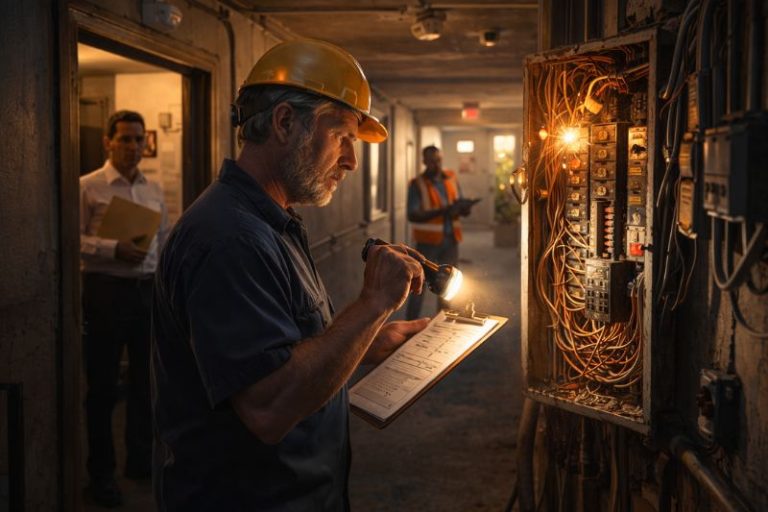
RG Electric begins by evaluating the circuits most affected by winter demand. This includes checking for worn insulation, loose connections, moisture exposure, inconsistent voltage, and overloaded circuits. Technicians use diagnostic tools to measure voltage drop under load, identify weak connections behind outlets and switches, and determine whether circuits are operating within safe parameters.
When wiring is outdated or unsafe, RG Electric will make recommendations for upgrades or rewiring. These improvements support stable performance during winter’s heavier electrical use and help prevent recurring issues like flickering lights or tripped breakers.
Circuit upgrades, rewiring, and panel improvements
Many older homes still rely on wiring installed decades ago. In these cases, RG Electric provides rewiring services that modernize circuits while minimizing disruption to the home. For homes where only certain circuits are affected, targeted replacements or circuit balancing may solve winter issues without requiring full rewiring.
When panel capacity is insufficient or breakers are worn, upgrades can significantly improve winter reliability. Homeowners exploring panel improvements can learn more at:
https://www.rgelectric.net/electrical-panel-services-in-los-angeles/
These upgrades ensure that older wiring systems are supported by equipment capable of handling modern winter demand.
Protection against moisture and temperature-related failures
RG Electric also addresses problems caused by winter moisture and condensation. This may include improving ventilation around electrical components, replacing corroded connections, or installing updated outlets and switches designed to withstand moisture-prone areas.
For homes prone to power fluctuations during winter storms or seasonal grid instability, whole house surge protection offers an additional layer of safety. Homeowners can explore whole house surge protector options at: https://www.rgelectric.net/whole-house-surge-protectors-services-in-los-angeles/
Keep your Los Angeles home safe this winter
Older wiring deserves careful attention during the colder months. If your home is experiencing dimming lights, tripped breakers, warm outlets, or inconsistent power this winter, the safest next step is a professional electrical evaluation.
Call RG Electric at (323) 521-5131 or request a free estimate at https://www.rgelectric.net/contact-us/
to schedule your winter wiring inspection or upgrade.
Electrical work is hazardous. Consult a licensed electrician like RG Electric for inspections, permits, and code compliant installations.