
 Call (323) 5215131
Why Electrical Problems in Older Buildings Tend to Repeat
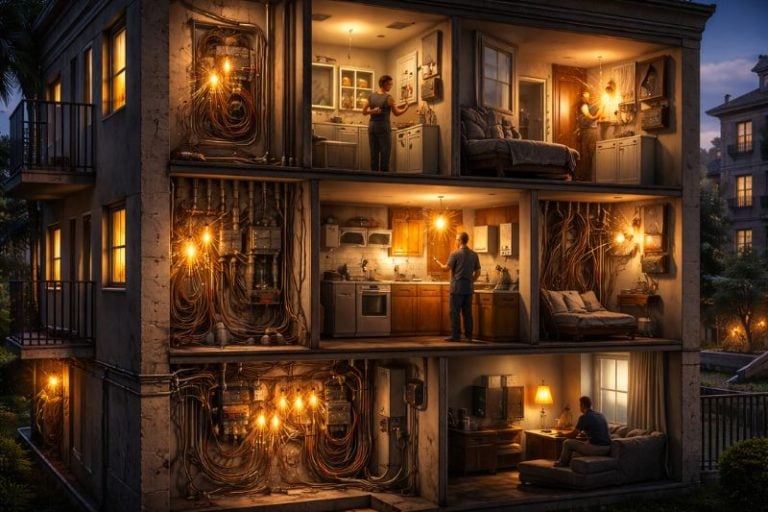
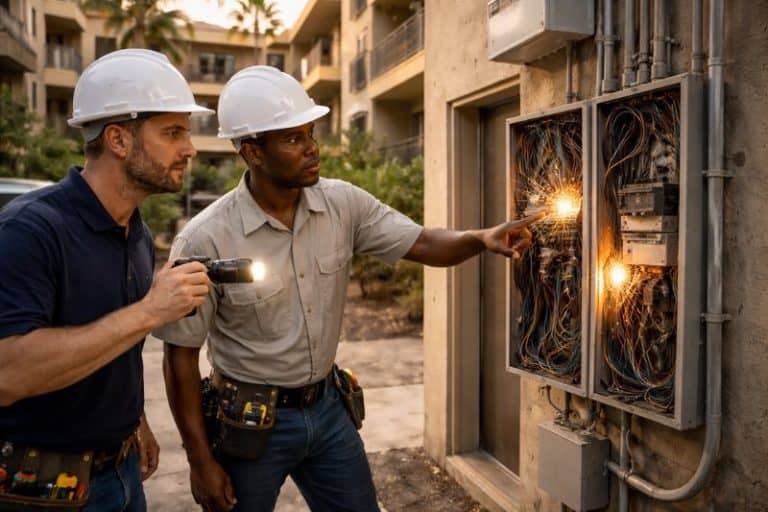
Older buildings across Los Angeles often develop a reputation for having “constant electrical problems.” Outlets stop working, breakers trip repeatedly, lights flicker, and tenants report issues that seem to come back no matter how many times they are addressed. For property managers, this can feel frustrating and unavoidable.
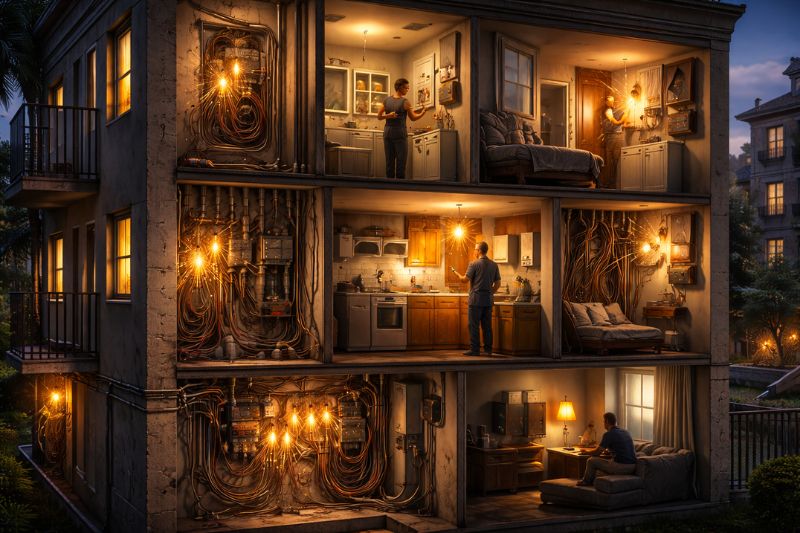
The reality is that electrical problems in older buildings tend to repeat for specific, predictable reasons. These issues are rarely caused by a single failed device or isolated repair. Instead, they are usually the result of aging systems that were never designed for modern electrical demand and have been modified repeatedly over decades.
Understanding why these problems recur helps property managers move away from reactive repairs and toward long-term solutions. When the underlying causes are identified and addressed correctly, recurring electrical complaints can be reduced dramatically, improving safety, tenant satisfaction, and insurance stability.
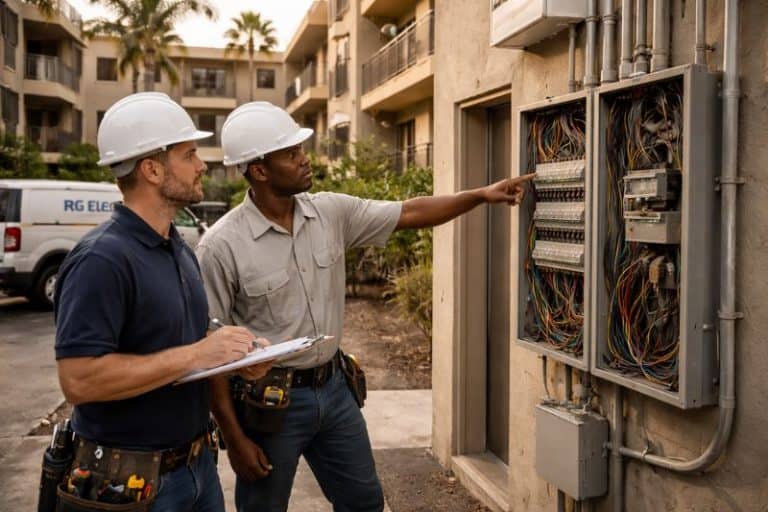
Always consult a licensed electrician like RG Electric before working on electrical systems.
Aging Electrical Systems Were Never Designed for Modern Demand
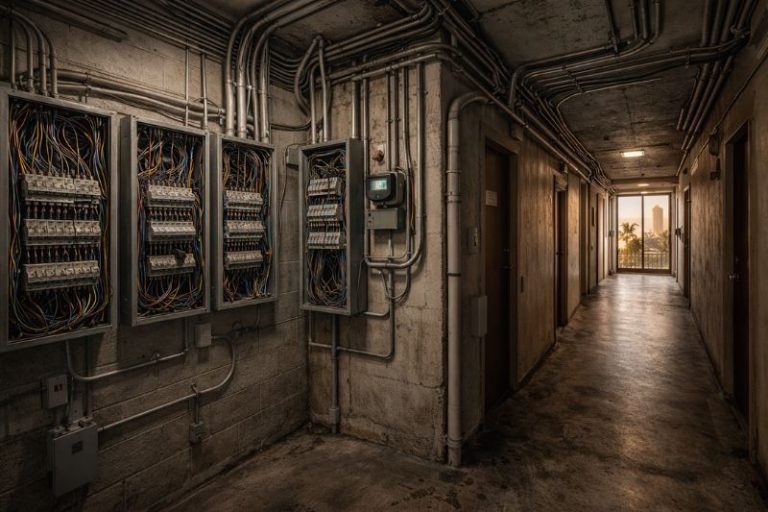
One of the primary reasons electrical problems repeat in older buildings is that the original systems were designed for a very different era. Many Los Angeles apartment buildings were constructed when electrical usage was limited to basic lighting and a small number of appliances. Today’s tenants rely on far more power-intensive devices, often simultaneously.
As demand increases, older wiring, panels, and circuits are pushed beyond what they were designed to handle. While the system may continue operating, it does so under constant stress. This stress shows up as frequent breaker trips, overheated connections, and inconsistent power delivery across units.
Property managers often address these symptoms individually. A breaker is reset. An outlet is replaced. A fixture is swapped out. While these actions restore function temporarily, they do not change the underlying limitations of the system. As a result, the same issues resurface elsewhere or return weeks later.
In many cases, resolving recurring problems requires stepping back and evaluating the building’s electrical capacity as a whole. This often leads to recommendations involving
electrical panel services in Los Angeles
or broader corrective work through
commercial electrical services in Los Angeles.
Without addressing capacity and infrastructure, repeated failures become inevitable.
How Decades of Piecemeal Repairs Create Hidden Weak Points
Another major reason electrical problems tend to repeat in older buildings is the way repairs and upgrades accumulate over time. In many Los Angeles apartment properties, electrical work was never approached as a single, comprehensive project. Instead, it was performed incrementally, often in response to immediate needs.
A circuit is added to solve one tenant complaint. An outlet is replaced in a single unit. A breaker is swapped to stop nuisance tripping. Each of these actions may solve a short-term problem, but over decades they create a layered system with no unified design logic.
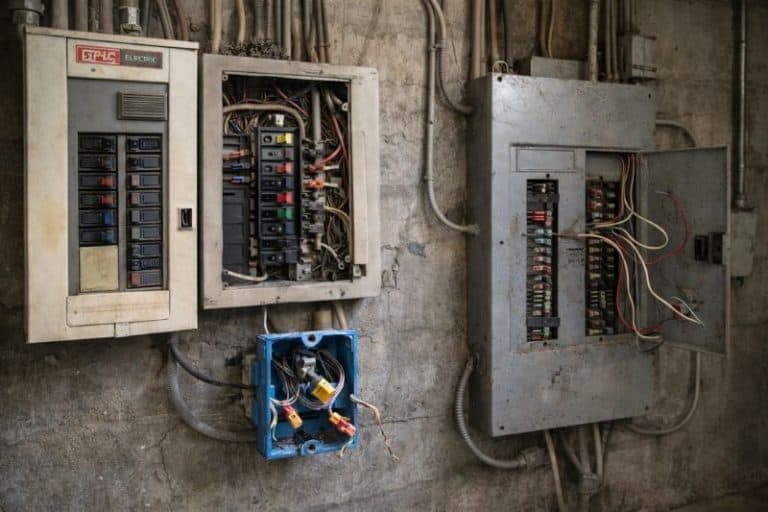
As different electricians, handymen, or maintenance staff work on isolated issues, hidden weak points begin to form. Load may be shifted onto circuits that were never intended to carry it. Wiring paths may be extended without reevaluating upstream capacity. Older components remain in service while newer ones are tied into them.
From a property manager’s perspective, these systems can feel unpredictable. One repair seems to trigger another problem somewhere else. That is because stress is redistributed rather than eliminated. When one weak point is reinforced, another often reveals itself.
This is why repeated issues frequently lead electricians to recommend broader evaluations through
commercial electrical services in Los Angeles
instead of continued spot repairs. Without addressing how decades of changes interact with one another, the cycle of recurring problems continues.
Why Temporary Fixes Often Mask Capacity Problems Rather Than Solving Them
In older apartment buildings, electrical systems often continue operating even when they are no longer adequate. Temporary fixes allow power to flow and service to continue, but they rarely address whether the system can safely support ongoing demand.
These solutions are appealing because they are fast. A breaker is replaced. A circuit is extended. A device is swapped out. On the surface, the problem appears resolved. What is not resolved is the underlying capacity limitation that caused the issue in the first place.
Over time, these fixes accumulate. Each one assumes that the rest of the system can absorb the change. In reality, the cumulative effect is increased strain on wiring, panels, and feeders that were never upgraded to match modern usage. The system may appear functional, but it is operating with little margin for error.
This is why problems feel repetitive. The fixes themselves are not failing. They are doing exactly what they were designed to do, restore function temporarily. What they cannot do is increase capacity or correct system-wide constraints.
Eventually, stress surfaces somewhere else in the building. Another breaker trips. Another outlet fails. Another repair is required. The cycle continues, not because the work was done incorrectly, but because the root limitation was never addressed.
At this stage, property managers are often advised to move beyond isolated repairs and pursue broader evaluations through
electrical repairs services in Los Angeles
or more comprehensive planning via
commercial electrical services in Los Angeles.
Addressing capacity directly is the only way to stop temporary fixes from becoming permanent problems.
Why Temporary Fixes Often Mask Capacity Problems Rather Than Solving Them
In older apartment buildings, electrical systems often continue operating even when they are no longer adequate. Temporary fixes allow power to flow and service to continue, but they rarely address whether the system can safely support ongoing demand.
These solutions are appealing because they are fast. A breaker is replaced. A circuit is extended. A device is swapped out. On the surface, the problem appears resolved. What is not resolved is the underlying capacity limitation that caused the issue in the first place.
Over time, these fixes accumulate. Each one assumes that the rest of the system can absorb the change. In reality, the cumulative effect is increased strain on wiring, panels, and feeders that were never upgraded to match modern usage. The system may appear functional, but it is operating with little margin for error.
This is why problems feel repetitive. The fixes themselves are not failing. They are doing exactly what they were designed to do, restore function temporarily. What they cannot do is increase capacity or correct system-wide constraints.
Eventually, stress surfaces somewhere else in the building. Another breaker trips. Another outlet fails. Another repair is required. The cycle continues, not because the work was done incorrectly, but because the root limitation was never addressed.
At this stage, property managers are often advised to move beyond isolated repairs and pursue broader evaluations through
electrical repairs services in Los Angeles
or more comprehensive planning via
commercial electrical services in Los Angeles.
Addressing capacity directly is the only way to stop temporary fixes from becoming permanent problems.
How Load Migration Causes Problems to Move Instead of Disappear
One of the most frustrating realities for property managers is that fixing one electrical issue often seems to cause another to appear somewhere else. This is not a coincidence. It is the result of load migration within aging systems.
When a weak point in an electrical system is reinforced, such as replacing a failing breaker or rerouting a circuit, electrical demand does not disappear. It simply finds another path. In older buildings, those alternate paths are often just as stressed as the original problem area.
Load migration occurs when electrical demand shifts instead of being reduced. A circuit that was struggling is stabilized, but the demand it carried is now pushed upstream or sideways into wiring, panels, or feeders that were already operating near capacity. The system remains functional, but the stress has moved.
This is why problems in older buildings feel like a game of whack-a-mole. A repair in one unit is followed by an issue in another. A common-area fix is followed by tenant complaints elsewhere. From the outside, it looks random. From a systems perspective, it is entirely predictable.
Over time, this pattern creates the illusion that the building has “bad electrical luck,” when in reality the system is behaving exactly as expected under constrained capacity. Each fix redistributes stress instead of resolving it.
This is often the point where electricians recommend stepping back from isolated corrections and evaluating the system as a whole through
commercial electrical services in Los Angeles.
Without addressing how load is shared and supported across the building, problems will continue to move rather than disappear.
Why Older Electrical Systems Rarely Fail All at Once, Until They Do
One of the reasons electrical problems in older buildings feel unpredictable is that systems often continue operating long past their ideal lifespan. Instead of failing outright, aging electrical infrastructure tends to degrade gradually, absorbing stress until it reaches a tipping point.
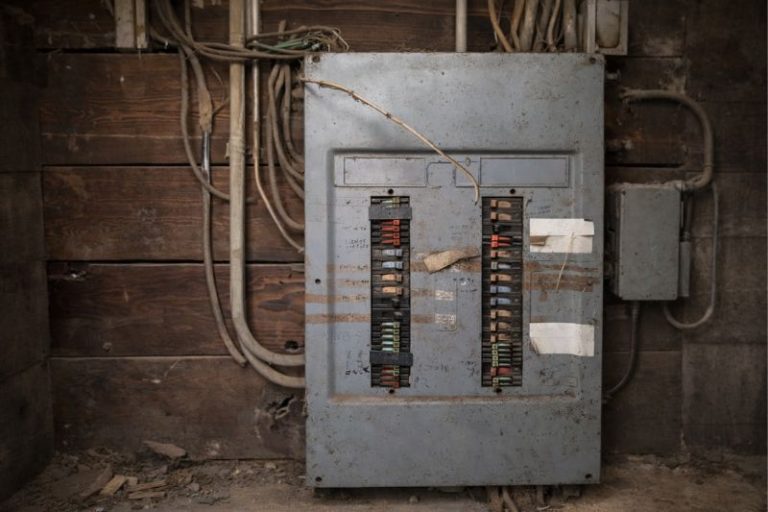
In many Los Angeles apartment buildings, electrical systems operate with little margin for error. Wiring insulation weakens slowly. Connections loosen incrementally. Panels and breakers age while carrying loads they were never designed to support. None of these changes cause immediate failure on their own, which creates a false sense of stability.
This slow degradation is why problems appear manageable for years. Small issues come and go. Repairs restore function. The building keeps operating. From the outside, it looks like the system is holding together.
The danger is that once enough weak points exist, failure is no longer isolated. A single event, such as a heat wave, a new appliance load, or a routine repair, can trigger cascading problems. Circuits fail in multiple areas. Panels overheat. Power disruptions spread across units. What seemed like a manageable system suddenly becomes unstable.
This pattern is especially common in buildings where capacity was never reassessed as demand increased. Without system-level planning, aging infrastructure has no buffer left to absorb stress. When failure finally occurs, it tends to do so abruptly and with significant impact.
At this stage, property managers are often forced into urgent corrective work, sometimes involving
emergency electrical repairs in Los Angeles
to stabilize systems that had been quietly struggling for years.
Why Long-Term Electrical Planning Breaks the Cycle of Repeating Problems
The only reliable way to stop electrical problems from repeating in older buildings is to shift from reactive repairs to long-term electrical planning. This does not mean upgrading everything at once. It means understanding the system as a whole and making decisions that reduce cumulative stress instead of redistributing it.
Long-term planning starts with acknowledging that recurring issues are not random. They are the predictable result of systems operating beyond their original design assumptions. When capacity, load distribution, and infrastructure age are evaluated together, patterns become clear. The same trouble spots appear again and again because the same constraints remain in place.
Planning changes how decisions are made. Instead of asking how to restore power quickly, the focus shifts to how future demand will be supported safely. Repairs are no longer isolated actions. They become part of a broader roadmap that considers panels, feeders, wiring paths, and tenant usage collectively.
This approach allows property managers to prioritize upgrades strategically. Some issues can be deferred safely. Others need to be addressed sooner because they affect multiple areas of the building. Over time, this reduces emergency calls, minimizes tenant disruption, and lowers insurance friction.
This is why many recurring-issue properties eventually benefit from comprehensive evaluations through
commercial electrical services in Los Angeles,
where planning, documentation, and phased improvements are coordinated instead of handled piecemeal.
Conclusion: Repeating Electrical Problems Are a System Issue, Not a Mystery
Electrical problems in older buildings tend to repeat because the systems themselves have not changed, even as demand has increased. Temporary fixes restore function but do not increase capacity. Piecemeal repairs redistribute stress instead of eliminating it. Over time, problems migrate, accumulate, and eventually escalate.
For property managers in Los Angeles, recognizing this pattern is the first step toward breaking it. Repeating issues are not a sign of bad luck or poor maintenance. They are a signal that the system is operating beyond its intended limits.
By shifting toward system-level evaluation and long-term planning, property managers can reduce recurring complaints, improve safety, and protect their buildings from disruptive failures.
Always consult a licensed electrician like RG Electric before working on electrical systems.
If your property is experiencing the same electrical issues over and over,
request a free estimate
or contact RG Electric at (323) 521-5131 to discuss next steps.