
 Call (323) 5215131
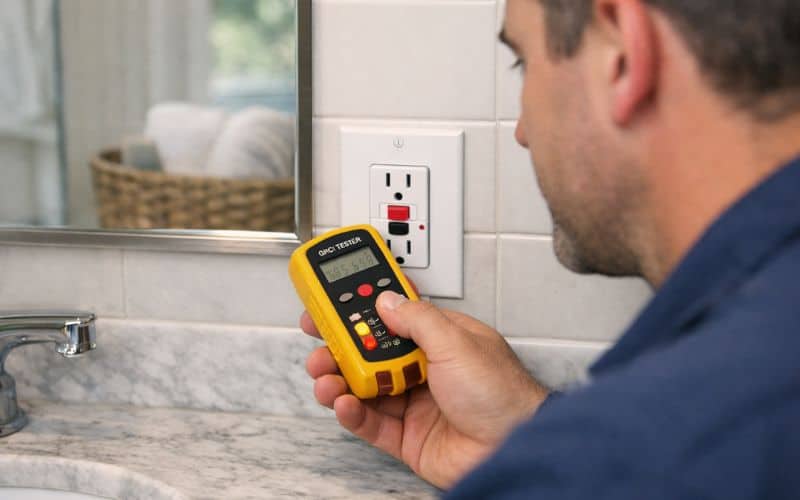
“Why Your GFCI Outlet Keeps Tripping (And When It’s a Bigger Problem)
Introduction: When the Reset Button Won’t Stay In
If you’ve ever pressed the reset button on a GFCI outlet only to have it trip again minutes, hours, or days later, you’re not alone. This is one of the most common electrical complaints homeowners make in Los Angeles, especially in bathrooms, kitchens, garages, and outdoor areas.
At first, it’s tempting to think the outlet itself is defective. You reset it, power comes back, and everything seems fine, until it isn’t. After a few repeat trips, frustration sets in. Some homeowners start avoiding that outlet altogether. Others replace the outlet, only to find the problem comes back.
What many people don’t realize is that a GFCI outlet that keeps tripping is often doing exactly what it was designed to do. In some cases, it’s reacting to moisture or a worn internal component. In others, it’s responding to a deeper electrical issue that has nothing to do with the outlet itself.
The key is understanding the difference between a normal nuisance trip and a warning sign of a bigger electrical problem. This article explains why GFCI outlets trip so often in Los Angeles homes, what causes repeat tripping, and when it’s time to stop resetting and call a licensed electrician.
What a GFCI Outlet Is Actually Designed to Do
A GFCI, or ground fault circuit interrupter, is a safety device. Its primary job is not convenience, it’s protection.
Unlike a standard outlet, a GFCI constantly monitors the flow of electricity. If it detects even a small imbalance between the outgoing and returning current, it shuts off power instantly. That imbalance can occur when electricity starts flowing somewhere it shouldn’t, such as through water, damaged wiring, or a person.
This is why GFCI outlets are required in areas where moisture is present. Bathrooms, kitchens, laundry rooms, garages, and outdoor outlets all carry a higher risk of shock. A properly functioning GFCI can shut off power in a fraction of a second, preventing serious injury.
Because of this design, GFCI outlets are intentionally sensitive. They don’t wait for a breaker to overload or wiring to overheat. They trip early, often before anything looks wrong.
This sensitivity is also why GFCI outlets can trip even when everything appears normal. Moisture in the air, aging components, or wiring issues elsewhere on the circuit can all trigger a trip. The outlet isn’t being “annoying.” It’s responding to a condition that deserves attention.
The Most Common Reasons GFCI Outlets Keep Tripping
When a GFCI outlet trips repeatedly, it’s responding to something specific. In Los Angeles homes, especially older ones, a few causes show up far more often than others.
Understanding these common triggers helps explain why resetting the outlet sometimes works temporarily, and why the problem often comes back.
Moisture and Humidity
Moisture is the number one reason GFCI outlets trip, and it doesn’t always involve visible water.
Bathrooms, kitchens, garages, laundry rooms, and outdoor outlets are exposed to humidity, condensation, and occasional splashes. In coastal areas of Los Angeles, moisture in the air alone can be enough to trigger a sensitive GFCI, especially as the outlet ages.
Steam from showers, damp garage air, irrigation overspray, or even morning condensation can cause tiny current leaks that a GFCI detects immediately. From a safety standpoint, that’s exactly what it’s supposed to do.
The problem arises when moisture exposure is constant. Repeated trips caused by humidity or water intrusion can indicate that an outlet is no longer sealing properly, or that moisture is reaching wiring where it shouldn’t.
Aging or Worn-Out GFCI Outlets
GFCI outlets do not last forever. Over time, the internal components that monitor current flow wear out.
In many Los Angeles homes, GFCI outlets were installed years or even decades ago. As they age, they become more sensitive and less reliable. A worn GFCI may trip under normal conditions or refuse to reset consistently.
This is especially common in outlets that see frequent use or are exposed to moisture, such as bathroom or outdoor receptacles. While replacing an old GFCI can sometimes solve the issue, it’s important to understand that a failing outlet can also be a symptom of other electrical stress on the circuit.
Shared Circuits and Improper Wiring
Another common cause of repeated GFCI trips is how the outlet is wired.
In older homes, it’s not unusual for multiple outlets, lights, or even appliances to be tied into a single GFCI circuit. When several devices share the same protection, any small imbalance anywhere on that circuit can trip the GFCI.
Improper wiring, loose connections, or outdated installation methods can also contribute. Over time, connections loosen, especially in homes that have seen multiple remodels or repairs. These small issues can create ground faults that cause the GFCI to trip even when nothing obvious is happening at the outlet itself.
Faulty or High-Load Appliances Plugged In
Sometimes the outlet isn’t the problem at all.
Appliances with heating elements or motors, such as hair dryers, space heaters, microwaves, or older refrigerators, can create brief current imbalances when they start up. A GFCI detects this and trips to protect against shock.
If a GFCI only trips when a specific device is plugged in or turned on, that device may be faulty or drawing power in an unsafe way. This is especially common with older or damaged appliances.
Why GFCI Problems Are So Common in Older Los Angeles Homes
Los Angeles has a large number of older homes that were never designed with modern electrical safety standards in mind. Many were built before GFCI protection was even required.
As codes changed, GFCI outlets were often added during remodels or repairs, sometimes without updating the underlying wiring. This creates a mismatch between modern safety devices and older electrical systems.
Ungrounded wiring, mixed wiring methods, and decades of layered modifications can all make GFCI outlets more prone to tripping. In these homes, the GFCI is often the first device to signal that something deeper in the system isn’t quite right.
Rather than being a nuisance, repeated GFCI trips in older homes are often an early warning that wiring, circuits, or electrical panels may need professional evaluation.
When a Tripping GFCI Is a Bigger Electrical Problem
Not every tripping GFCI signals a serious issue, but certain patterns should never be ignored.
If a GFCI trips immediately after being reset, even with nothing plugged in, that often indicates a wiring fault on the circuit. Electricity may be leaking to ground through damaged insulation or loose connections.
If multiple outlets lose power at the same time, or if GFCI issues occur alongside flickering lights, tripping breakers, or partial power loss, the problem may extend beyond the outlet itself. In these cases, professional electrical repairs services in Los Angeles are often needed to diagnose the issue safely and correctly.
Repeated GFCI trips can also point to system-wide issues, including electrical panel limitations or failures that prevent power from being distributed safely.
Why Replacing the Outlet Doesn’t Always Fix the Issue
Replacing a GFCI outlet can solve the problem when the outlet itself has worn out. However, when the issue lies in the wiring, circuit, or panel, a new outlet will behave exactly like the old one and keep tripping.
This is why repeated outlet replacements often lead to frustration. The symptom changes briefly, but the underlying condition remains.
In these situations, focusing on electrical switches and outlets services in Los Angeles alone may not be enough if the root cause is elsewhere in the system.
Ignoring the underlying issue allows damage to continue unseen. Loose connections can heat up. Insulation can degrade. What starts as a nuisance trip can eventually become a serious hazard.
When to Call a Licensed Electrician
Some signs mean it’s time to stop resetting and call for help:
- A GFCI that trips immediately after reset
- Multiple outlets affected at once
- Burning smells or warm outlets
- Buzzing or crackling sounds
- GFCIs that won’t reset at all
In these cases, fast response matters. Access to emergency electrical repairs can prevent a minor issue from becoming a dangerous situation.
How Electricians Diagnose GFCI Problems Properly
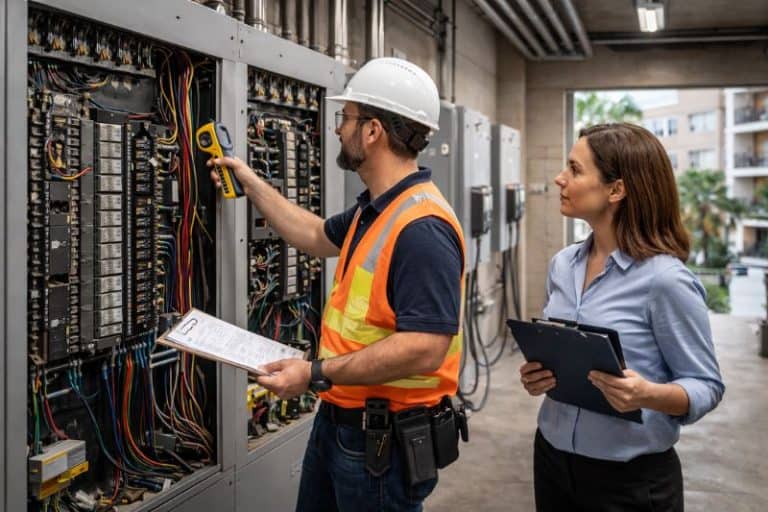
Licensed electricians diagnose GFCI issues by evaluating the entire electrical circuit, not just the outlet that keeps tripping. This involves testing the wiring feeding the outlet, checking for loose or deteriorated connections, verifying proper grounding, and confirming that the circuit is not overloaded. Electricians also inspect how the circuit is protected at the electrical panel, including breaker condition and how power is being distributed.
This comprehensive approach allows electricians to pinpoint hidden problems that aren’t visible at the outlet itself, such as wiring faults inside walls, shared circuit issues, or panel-related limitations. By identifying and correcting the root cause, the repair can be completed safely and permanently, bringing the system back into compliance with current safety standards instead of relying on temporary fixes or repeated outlet replacements.
A Tripping GFCI Is a Warning, Not an Annoyance
A GFCI outlet that keeps tripping is rarely “nothing.” In many cases, it’s the electrical system’s way of signaling that something needs attention.
Whether the issue is moisture, aging components, wiring problems, or panel limitations, addressing it early protects your home, your safety, and your peace of mind.
If your GFCI outlet keeps tripping and the problem won’t go away, contact RG Electric at (323) 521-5131 or schedule a professional electrical evaluation. Fixing the issue properly now is always better than dealing with an emergency later.