
 Call (323) 5215131
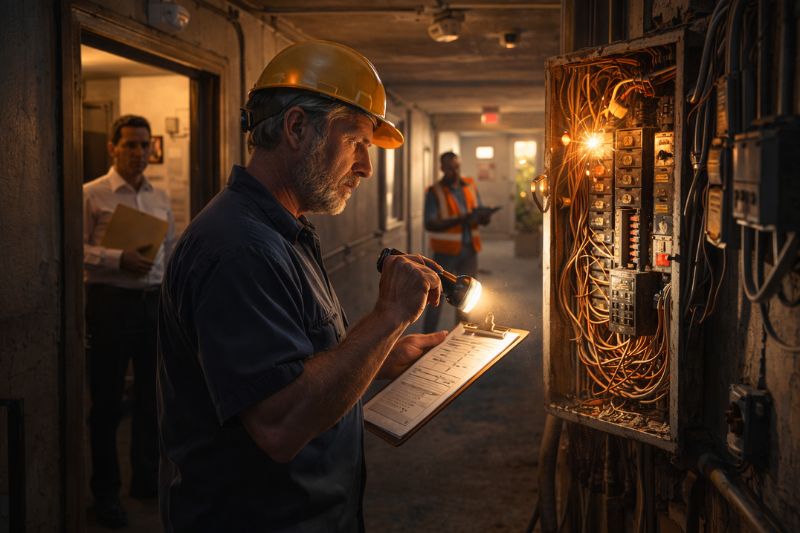
When Electrical Maintenance Turns Into a Safety or Code Issue
Routine electrical maintenance is a normal part of managing older buildings in Los Angeles. Outlets wear out, breakers trip, lighting fails, and tenants report issues that need attention. In most cases, these problems are handled quickly to restore service and keep buildings operational.
The challenge is that electrical maintenance does not exist in a vacuum. In older multi-unit buildings, what begins as routine upkeep can quietly cross into safety or code territory without obvious warning. A repair that seems minor on the surface may expose deeper issues that were previously hidden or ignored.
For property managers, this line is easy to miss. Maintenance is often judged by whether the immediate problem is solved. Inspectors and insurers, however, evaluate whether the underlying system remains safe, compliant, and appropriate for current use.
Understanding when routine electrical maintenance turns into a safety or code issue helps property managers avoid surprises during inspections, insurance reviews, or emergency situations.
Always consult a licensed electrician like RG Electric before working on electrical systems.
Why Routine Maintenance Can Expose Bigger Electrical Problems
In older buildings, electrical systems often operate close to their limits. Years of incremental repairs, added loads, and changing usage patterns leave little margin for error. Routine maintenance can unintentionally expose these conditions.
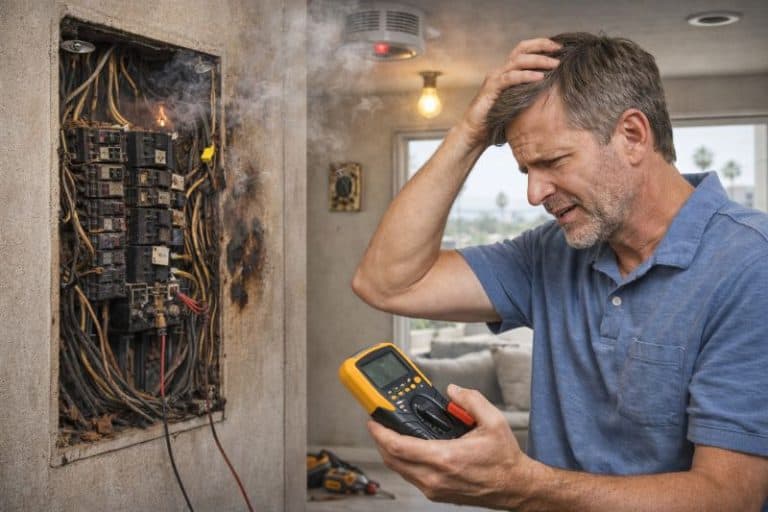
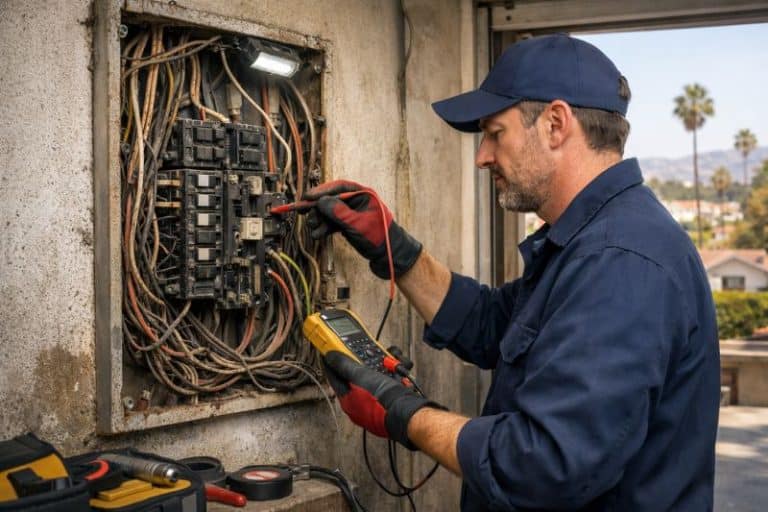
When a device is replaced, a circuit is accessed, or a panel is opened, underlying issues may become visible for the first time. Loose connections, outdated wiring methods, improper grounding, or overloaded circuits are often discovered only when work is performed nearby. These issues may have existed for years without causing obvious failures.
From a property manager’s perspective, the maintenance task did not create the problem. It simply revealed it. From an inspector’s perspective, once a safety concern is visible, it cannot be ignored. At that point, what began as maintenance becomes a safety or code issue that must be addressed.
This is why routine work frequently leads to recommendations involving electrical repair services or broader evaluations through commercial electrical services.
The goal is not to penalize maintenance activity, but to ensure that exposed conditions do not remain unsafe.
How Inspectors and Insurers View “Routine” Electrical Work
One of the biggest disconnects between property managers and inspectors is how “routine” electrical work is perceived. From a management standpoint, maintenance is about restoring function. From an inspector’s or insurer’s standpoint, maintenance is about exposure.
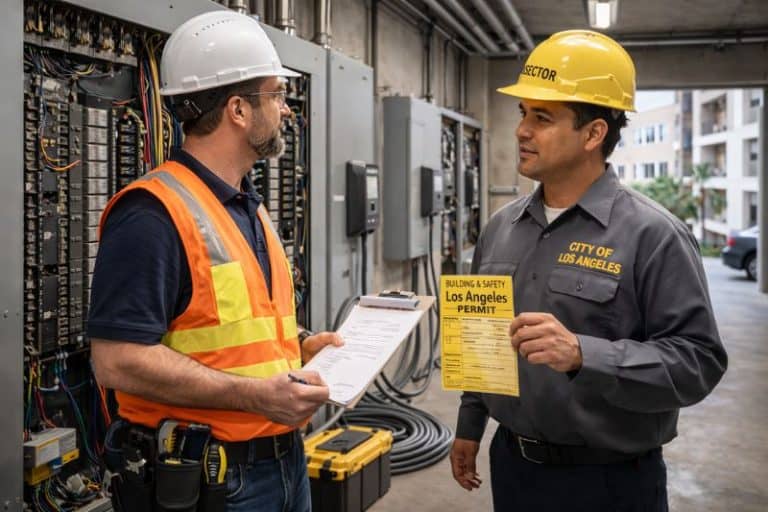
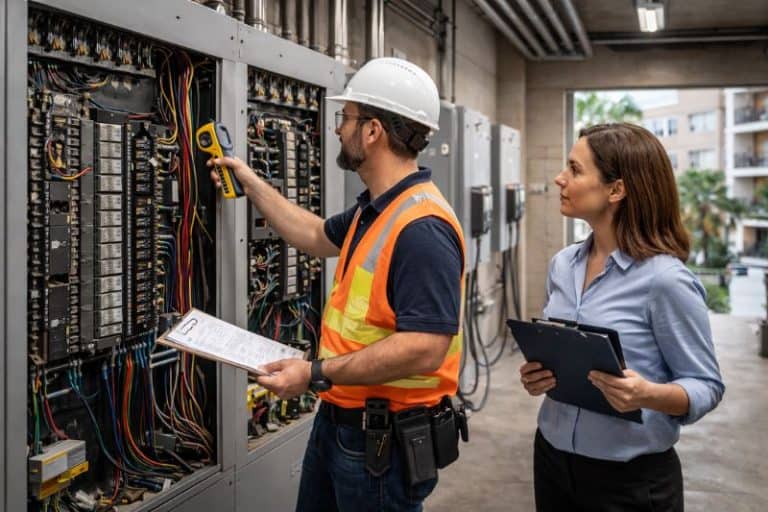
When electrical work is performed, inspectors assume something has changed, even if the goal was simply to replace a worn component. Opening a panel, accessing a circuit, or modifying a device creates an opportunity to observe conditions that were previously hidden. Once those conditions are visible, they become part of the inspection record.
This is why routine maintenance can unexpectedly expand in scope. Inspectors are not re-inspecting the entire building out of suspicion. They are responding to what is now observable. If they see outdated wiring methods, improper grounding, overloaded circuits, or unsafe connections adjacent to the work area, they are obligated to address it.
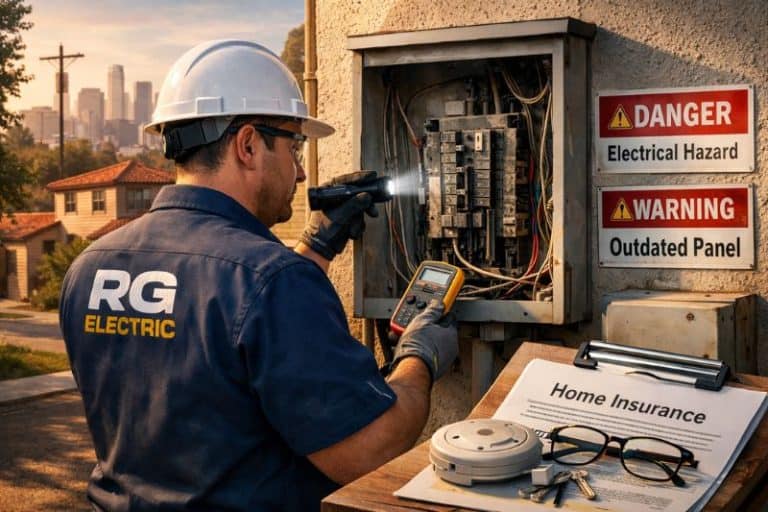
Insurers take a similar view. From their perspective, electrical maintenance confirms that systems are active, aging, and being modified. If documentation is unclear or conditions appear inconsistent with current safety expectations, insurers may request further evaluation before renewing coverage.
The intent is not to penalize responsible maintenance, but to ensure that newly exposed risks are not left unresolved.
When Maintenance Crosses the Line Into a Code or Safety Obligation
The point at which routine electrical maintenance turns into a safety or code issue is rarely obvious. There is no single action that suddenly changes the nature of the work. Instead, the transition usually happens quietly, based on what becomes visible once work begins.
When electrical components are accessed, inspectors and electricians are required to evaluate visible conditions for safety. Once a condition is exposed, it can no longer be treated as incidental. If surrounding wiring shows signs of overheating, improper grounding, unsafe connections, or deterioration, those issues are now known hazards.
At that moment, discretion ends.
Inspectors are not deciding whether to be flexible. They are obligated to ensure that unsafe conditions are corrected before systems are returned to service. What began as maintenance becomes a corrective requirement, not because the repair caused a violation, but because it revealed one that already existed.
This is especially common in older Los Angeles buildings where electrical systems have been modified repeatedly over time. Maintenance work often removes the layer that was hiding legacy conditions, such as outdated wiring methods, overloaded circuits, or undocumented changes made years earlier.
For property managers, this can feel unfair. The intent was to act responsibly and maintain the building. The outcome feels like an escalation. Understanding that this transition is driven by visibility and obligation, not judgment, helps explain why routine work sometimes expands beyond its original scope.
Why Older Buildings Reach This Tipping Point More Often Than Newer Properties
Older buildings are far more likely to reach the point where routine electrical maintenance turns into a safety or code issue because their systems were never designed to absorb change indefinitely. Over time, small adjustments accumulate until the margin for error disappears.
In many Los Angeles multi-unit buildings, the original electrical infrastructure was designed for a fraction of today’s demand. As tenant usage increased and new equipment was added, systems were modified incrementally rather than redesigned. Each change solved an immediate need, but none recalibrated the system as a whole.
Age alone is not the problem. The issue is how age interacts with cumulative stress. Wiring insulation degrades slowly. Connections loosen gradually. Panels and feeders carry more load than originally intended. None of these conditions cause immediate failure, which allows them to persist unnoticed.
Eventually, routine maintenance becomes the catalyst that exposes these limits. A circuit is accessed. A panel is opened. A device is replaced. What was once hidden becomes visible, and the system’s lack of flexibility is revealed. At that point, maintenance can no longer be isolated from safety or compliance considerations.
This is why newer buildings rarely encounter the same escalation from routine work. Their systems were designed with modern loads in mind and still retain capacity. Older buildings, by contrast, often operate with no remaining buffer. Once that buffer is gone, even small changes can trigger broader obligations.
Understanding this tipping point helps property managers anticipate when maintenance is likely to expand in scope and plan accordingly rather than being caught off guard.
How Proactive Planning Keeps Maintenance From Becoming a Compliance Crisis
The difference between routine maintenance and a compliance crisis often comes down to preparation. In older buildings, maintenance becomes risky not because it is performed, but because it is performed without a clear understanding of system limits.
Proactive planning creates context. When property managers understand how electrical systems are configured, where capacity is tight, and which components are most vulnerable, maintenance decisions become more informed. Work is no longer isolated to the immediate problem. It is evaluated in terms of how it affects the broader system.
Planning does not mean overhauling everything at once. It means anticipating where maintenance is likely to expose issues and addressing those areas intentionally. In many cases, this allows managers to correct known weaknesses on their own timeline instead of reacting to discoveries made during inspections.
This approach also changes how maintenance is perceived by inspectors and insurers. When documentation is clear and system evaluations are current, routine work is less likely to trigger expanded scrutiny. The same maintenance task that causes problems in one building may proceed smoothly in another simply because the risks are already understood and addressed.
Property managers who take this approach often rely on system-level assessments through
commercial electrical services, where planning, documentation, and phased improvements are aligned. This reduces surprise, limits escalation, and keeps maintenance from becoming a source of repeated compliance stress.
Conclusion: Maintenance Becomes a Problem When Systems Are Already Stressed
Electrical maintenance itself is not the issue. In older Los Angeles buildings, the real challenge is that maintenance often reveals systems that are already operating at or beyond their limits.
When repairs expose unsafe conditions, inspectors and insurers are obligated to respond. What feels like an escalation is often the natural outcome of increased visibility in aging infrastructure. Understanding this dynamic helps property managers anticipate when maintenance is likely to cross into safety or code territory.
By shifting toward proactive planning and system-level awareness, property managers can keep routine maintenance from turning into unexpected compliance crises. This protects tenants, preserves insurance stability, and reduces long-term disruption.
Always consult a licensed electrician like RG Electric before working on electrical systems.
If you’re concerned that routine maintenance in your building may expose deeper electrical issues,
request a free estimate or contact RG Electric at (323) 521-5131 to discuss next steps.