
 Call (323) 5215131
Circuit Breaker Repair in Los Angeles, CA
Updated November 2025
When breakers run hot, trip repeatedly, or refuse to reset, your electrical system is asking for help. RG Electric provides code compliant circuit breaker diagnosis and repair across Los Angeles for homes, apartments, and small commercial spaces. Our licensed C-10 electricians troubleshoot the fault, correct unsafe conditions, and restore reliable power. If a breaker failure points to a deeper issue in the panel or wiring, we lay out a clear plan and handle permits and inspections as needed.
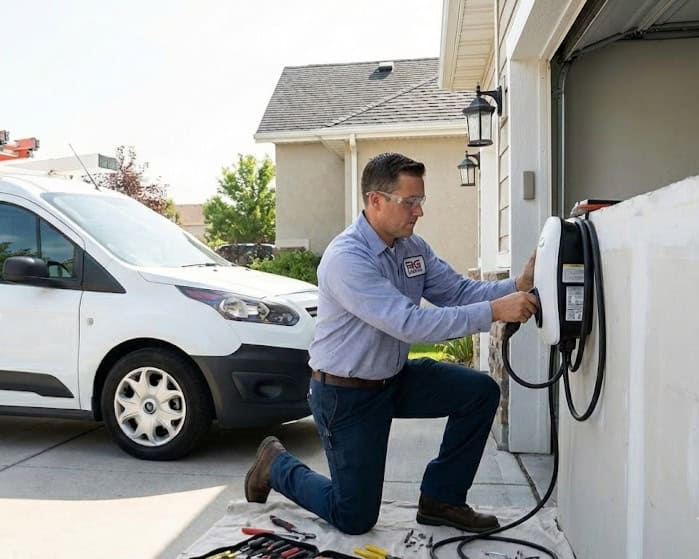
Safe, modern breaker service for LA homes and apartments
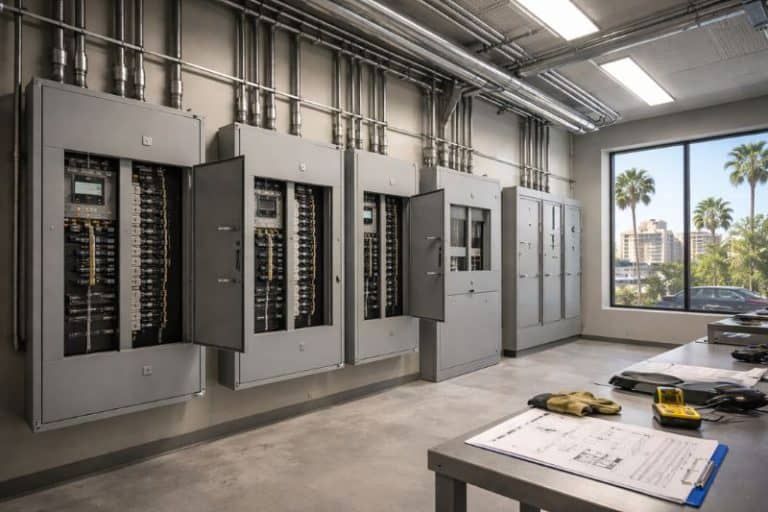
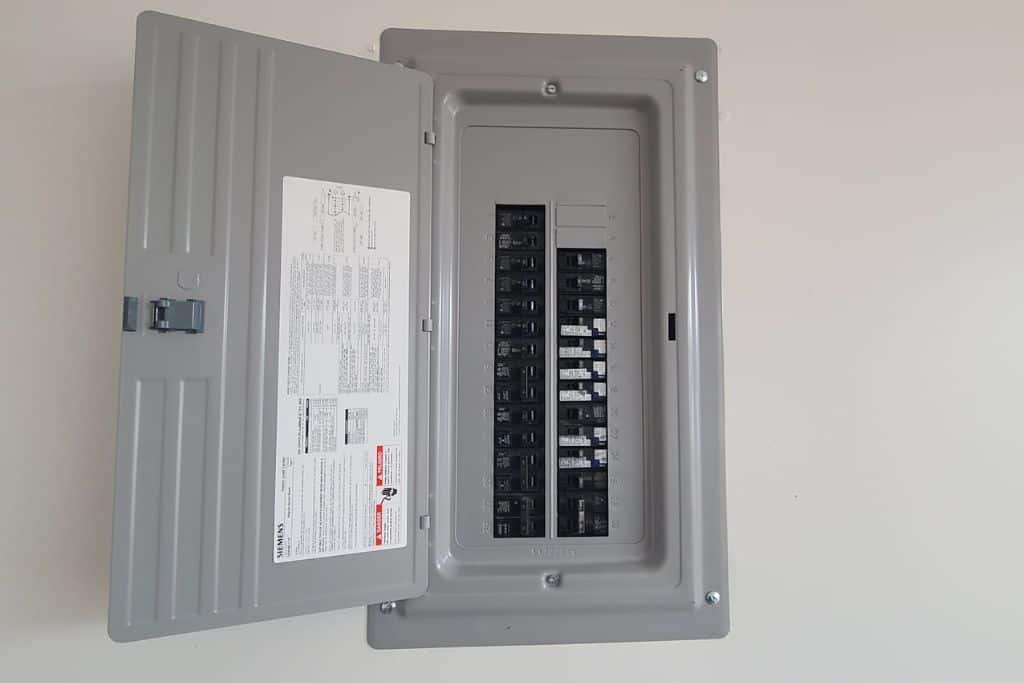
Breakers are safety devices. They trip to protect people and equipment from overloads and faults. Older breakers, worn busbars, loose neutrals, or oversized loads can turn a simple trip into a recurring headache. Our technicians follow Los Angeles and National Electrical Code requirements, verify torque on terminations, examine bus condition, and test ground fault and arc fault protection where required. If you have an older panel brand with known issues, we explain your options and can coordinate a same-week panel upgrade when repair is not the safest choice.
Signs your breaker needs attention
Watch for repeated trips under normal use, which may point to overloaded circuits, short circuits, or even internal damage within the breaker itself. A burning odor near the panel is a serious warning sign, often caused by overheating components or melted insulation, and should be inspected immediately. Visible scorch marks, darkened areas around breakers, or any signs of melting are indicators of arcing or excessive heat buildup. Buzzing or crackling sounds can suggest loose connections or failing breakers, while a breaker that feels unusually hot to the touch may be struggling to carry current safely.
Difficulty resetting a tripped breaker, or a breaker that refuses to stay reset, may indicate a persistent fault such as a damaged wire, ground fault, or an overloaded circuit. A specific appliance that always causes a trip could be improperly wired, drawing too much power, or connected to a mis-sized breaker. If your lights dim or flicker when high-wattage devices, like air conditioners or microwaves, turn on, this could mean your panel or feeder lines are nearing capacity or suffering from voltage drop.
In apartments and older homes, hidden hazards such as back-stabbed receptacles, aging aluminum wiring, or loose neutral connections often go unnoticed until they cause interruptions. These issues can lead to breaker tripping, inconsistent voltage, or even fire risks, and are common faults we identify and correct during routine inspections or upgrades.
Our diagnostic and repair process
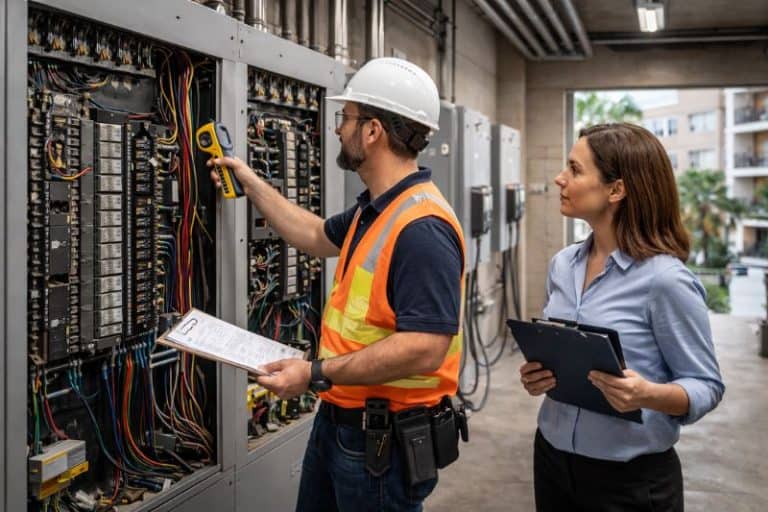
We begin with a short interview about symptoms and recent changes, then perform visual and thermal checks at the panel. Voltage and continuity tests help isolate whether the problem is an overload, short, ground fault, or mechanical breaker failure. We examine the breaker’s connection to the busbar, confirm conductor size, and verify that neutral and ground are correctly separated in sub-panels. When wiring damage is suspected, we trace the circuit, repair or replace affected conductors, and bring junction boxes up to code. For nuisance trips on GFCI or AFCI circuits, we test devices, inspect downstream loads, and replace devices if they have failed.
Many calls end with a targeted fix, such as replacing a failed breaker, tightening terminations to listed torque, or moving loads to balance demand. When we find systemic issues — deteriorated busbars, corrosion from moisture, or overcrowded panels with tandem breakers — we document conditions and provide options ranging from new sub-panel installation to a full service upgrade.
Repair, replacement, or upgrade – making the right call
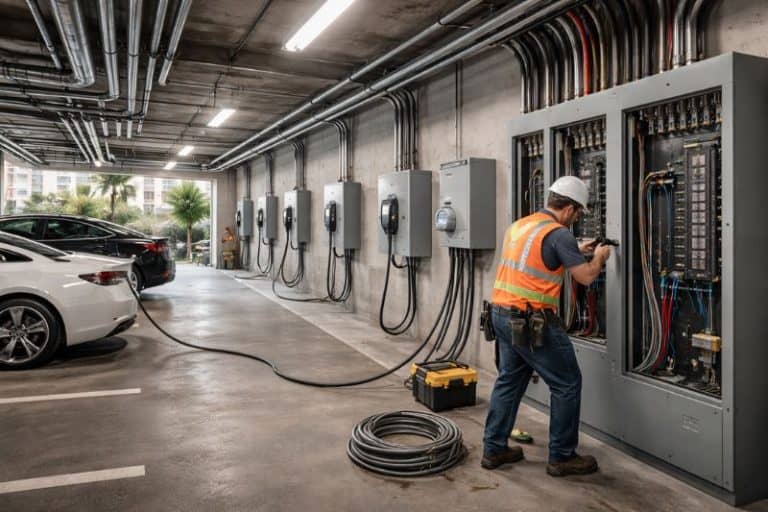
A single defective breaker can often be replaced one-for-one with the correct listed part. If the panel shows heat damage, corrosion, or has obsolete equipment, replacement is usually the safer path. Legacy panels from Zinsco, Federal Pacific, Pushmatic, and Challenger are linked to bus and breaker reliability concerns; we commonly replace them and migrate circuits to a modern, labeled panel. For growing power needs, EV charging, heat pumps, and induction cooking, we may recommend a 200A main panel upgrade or a dedicated sub-panel so breakers operate within their intended load.
Preventive steps that extend breaker and panel life
Small improvements go a long way. Correct labeling helps users avoid overloading a single circuit. Proper bonding and grounding improve fault clearing so breakers trip predictably. Keeping lead lengths short for any added devices, installing a whole house surge protector, and replacing damaged receptacles reduce nuisance trips and heat buildup. We also check for aluminum branch circuits and make safe transitions where needed.
Apartments and common areas
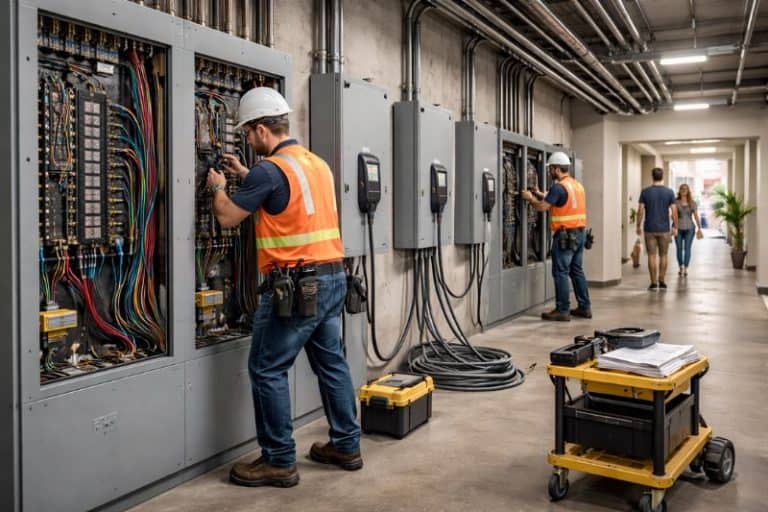
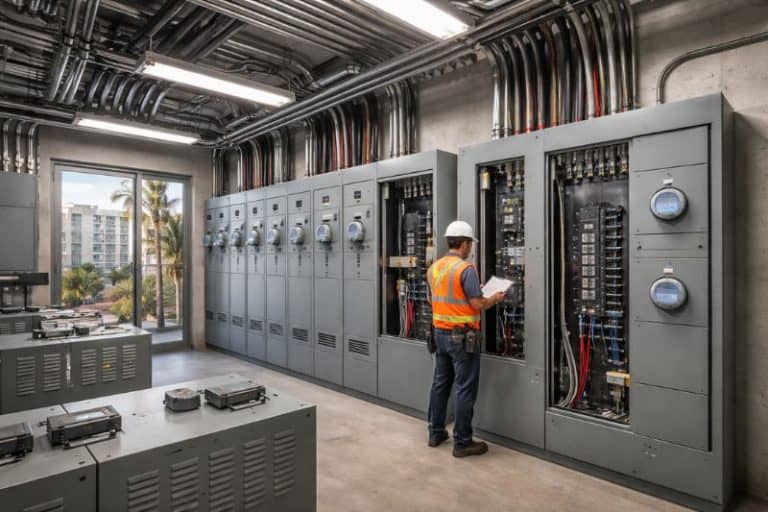
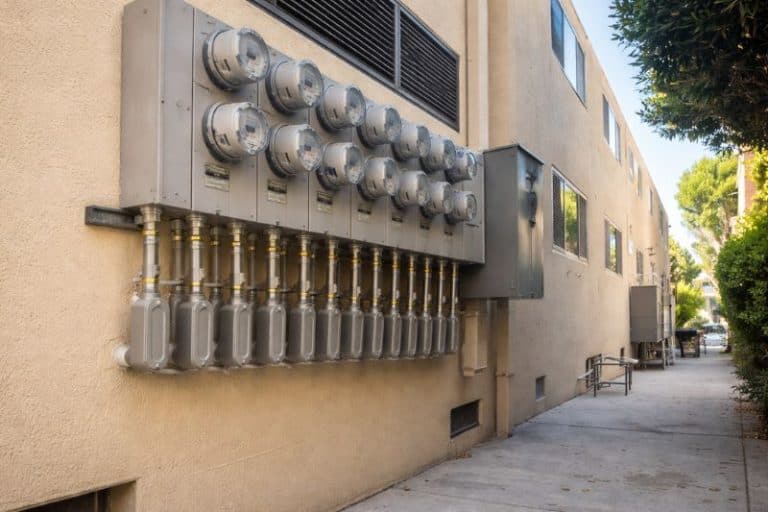
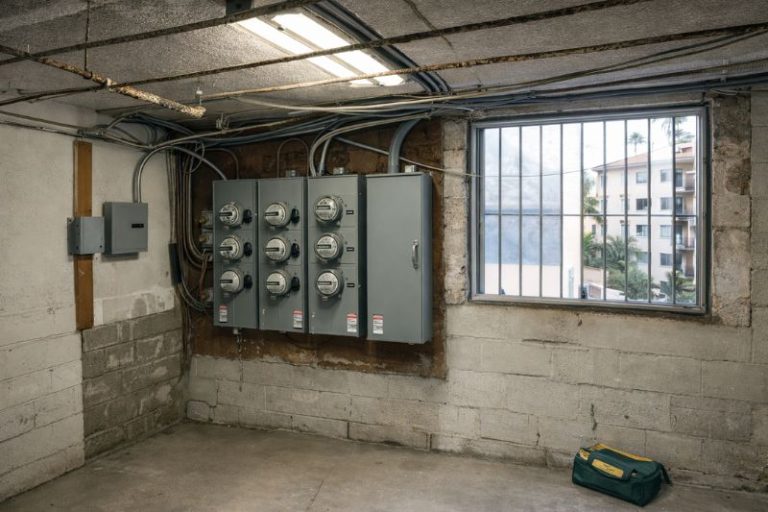
For multi-unit properties, we service house panels, lighting contactors, and dedicated circuits that feed gates, pumps, and laundry equipment. We coordinate access to meter rooms, document corrections with photos, and schedule work to minimize downtime for tenants. If a breaker issue is symptomatic of a failing meter stack or house panel, we’ll provide a phased plan through our commercial electrical services.
Cost and scheduling
Costs vary with scope — a straightforward breaker replacement is very different from tracing a wiring fault through multiple junctions or replacing damaged bus work. Share clear photos of your main panel (door open), any sub-panels, and the problem area when you request service. We provide transparent pricing before work begins and can bundle related fixes to reduce repeat visits. If we discover conditions that make a repair unsafe, we will stabilize the system and offer a written quote for corrective work or a panel upgrade.
Related electrical services
Many breaker issues are tied to equipment age or added loads. Explore our electrical panel upgrades, wiring repairs and rewiring, 24/7 emergency electrical repairs, and EV charger installations for a long-term fix.