
 Call (323) 5215131
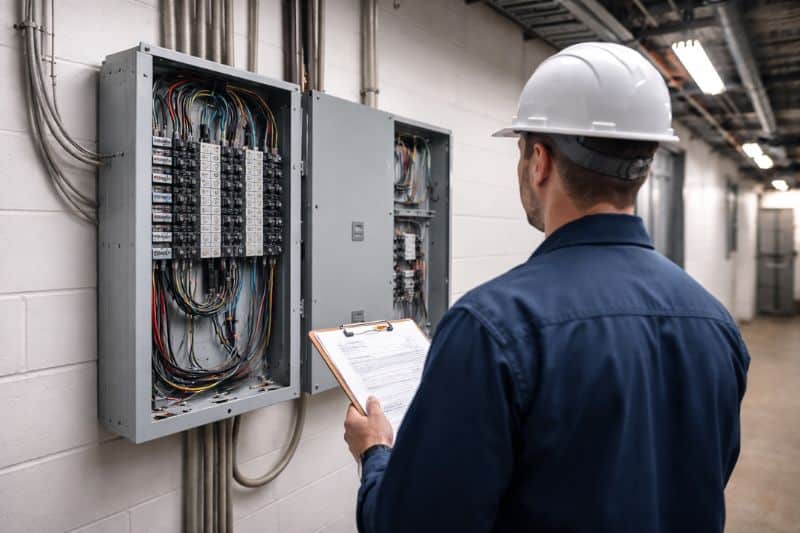
Electrical Code Violations We Commonly Find in Older Los Angeles Buildings
Many property owners in Los Angeles believe their electrical system is fine because nothing has failed yet. Lights turn on, tenants are not complaining, and breakers are not constantly tripping. Then an inspection happens, often triggered by insurance renewal, a panel upgrade, or a property sale, and suddenly multiple electrical violations are identified.
This is a common scenario in older buildings throughout Los Angeles.
Electrical codes change over time. What was acceptable decades ago may no longer meet today’s safety standards. Inspectors are not evaluating whether a system worked in the past, they are evaluating whether it meets current code requirements.
For property managers and owners of older buildings, understanding the most common electrical code violations helps explain why inspections sometimes uncover issues that were never obvious before, and why fixing them early can prevent delays, re-inspections, and insurance problems.
Why Older Buildings Struggle With Modern Electrical Codes
Los Angeles has a large number of homes and multi-unit buildings that were constructed long before modern electrical standards existed. Many of these properties still rely on original wiring methods, outdated panels, and safety features that are no longer considered adequate.
Electrical codes are updated regularly to reflect new safety data, improved materials, and lessons learned from fires and electrical failures. These updates are designed to reduce risk, not to penalize property owners. However, they do create challenges for older buildings.
When an inspection occurs, inspectors are required to apply current code standards, even if the system was legal at the time it was installed. This is why violations often appear during panel upgrades, rewires, or insurance-driven inspections.
In many cases, the issues are not the result of poor maintenance, but simply the result of aging infrastructure that has not kept pace with modern requirements.
GFCI Protection Missing Where It Is Now Required
One of the most common electrical violations found in older Los Angeles buildings is the absence of proper GFCI protection.
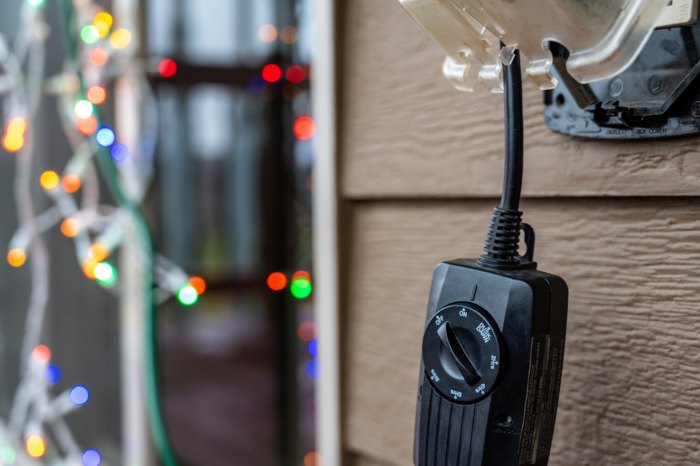
Ground fault circuit interrupters are designed to reduce the risk of electrical shock, especially in areas where electricity and moisture are present. In older homes and apartments, standard outlets were often installed in locations where GFCIs are now required by code.
Bathrooms, kitchens, outdoor areas, and other locations near water are frequent problem areas. Property owners are often surprised to learn that outlets that have worked for years are now considered non-compliant.
This issue comes up frequently during inspections because GFCIs are a clear, modern safety requirement. Once identified, they typically must be corrected before approval is granted.
Addressing these issues often falls under routine electrical repairs, especially in older buildings where outlets were installed long before current standards were established.
Improper or Missing Grounding
Grounding is another area where older electrical systems often fall short.
Many older Los Angeles properties were built before grounding requirements were as strict as they are today. In some cases, circuits may not be grounded at all. In others, grounding may exist but not meet current standards.
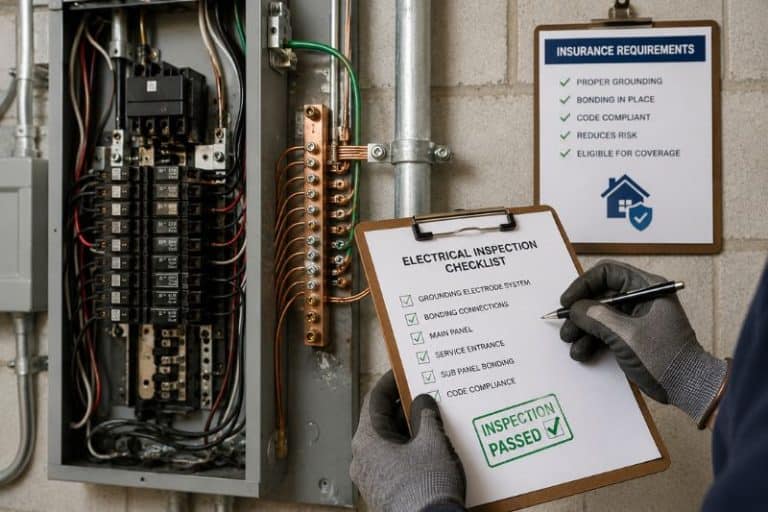
Improper grounding increases the risk of shock and equipment damage. It also creates problems during inspections, especially when new panels or outlets are installed. Inspectors often require grounding issues to be corrected as part of the approval process.
This is a common reason why panel upgrades uncover additional required work. Once a panel is replaced, the inspector may require the connected circuits to meet modern grounding requirements as well.
Electrical Panels That No Longer Meet Code Standards
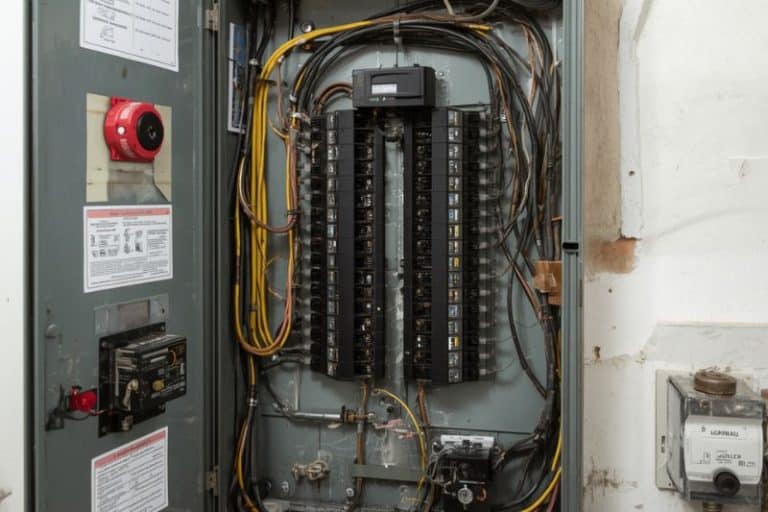
Outdated electrical panels are among the most frequently cited issues during inspections, particularly in older apartment buildings and rental properties.
Panels that were once acceptable may no longer meet current safety standards due to design limitations, aging components, or documented failure risks. Even if the panel is still operational, inspectors and insurance companies may require replacement.
This is especially common with panels that are already known to pose safety concerns or insurance risks. Once identified, replacement is often the only viable path to compliance.
These situations are typically addressed through professional electrical panel services, especially when inspections or insurance requirements are involved.
Violations Discovered in Areas That Were Not Part of the Original Work
One of the most frustrating moments for property owners occurs when an inspector identifies a violation in an area that was not part of the original scope of work.
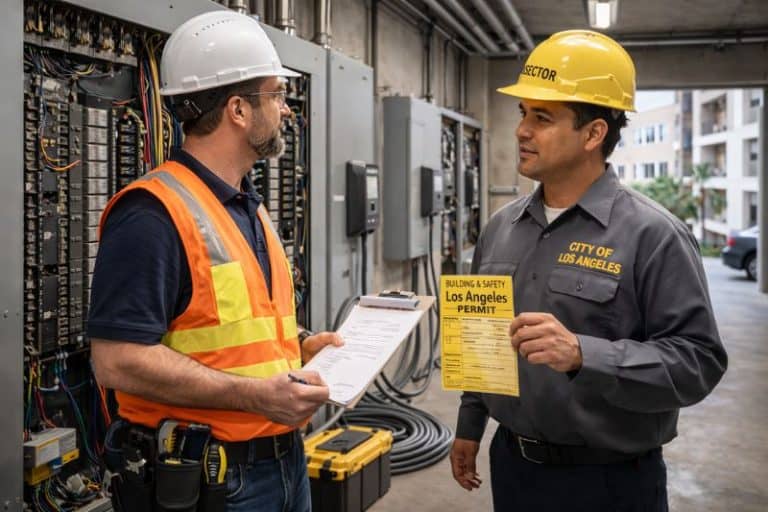
This often happens in older buildings. When a panel is upgraded or a permit is pulled, inspectors may evaluate related components to ensure overall safety. If they find issues such as double-tapped breakers, unsafe wiring methods, or missing safety features elsewhere in the system, they may require corrections before approving the work.
From the owner’s perspective, it can feel unfair. From the inspector’s perspective, it is about preventing known hazards from remaining in service.
This is why inspections in older buildings should always be approached with the expectation that additional issues may surface.
Why These Violations Matter for Property Managers
For property managers, electrical code violations are more than just technical issues. They affect timelines, insurance coverage, tenant communication, and operating costs.
When violations are identified late in the process, they can delay approvals and create scheduling challenges. Insurance deadlines may not move, even if additional work is required. Tenants may need to be notified of unexpected outages or access requirements.
Working with electricians who regularly handle commercial electrical services helps reduce these issues, especially in multi-unit buildings where coordination is critical.
Experienced contractors understand how inspections typically unfold in older Los Angeles properties and can help anticipate common problem areas before they become obstacles.
How Proactive Electrical Evaluations Help Avoid Failed Inspections
Most failed electrical inspections in older Los Angeles buildings are not caused by a single major defect. They are caused by a series of smaller issues that surface only after work begins or a permit is pulled.
Proactive electrical evaluations help property owners identify these issues early, before they turn into delays or insurance complications.
Inspections rarely focus on just one component
When an inspector evaluates an electrical upgrade, they are not looking at the work in isolation. They are determining whether the system, as it exists after the upgrade, meets current safety standards.
In older buildings, this often means that issues unrelated to the original scope of work become part of the inspection conversation. Grounding problems, outdated outlets, or unsafe breaker configurations may all need to be addressed before approval is granted.
By evaluating the system ahead of time, electricians can identify common red flags and help owners understand what may need to be corrected as part of the process.
Early evaluations create realistic timelines
One of the biggest challenges property managers face is timing. Insurance deadlines, tenant coordination, and city inspections all need to align.
When electrical issues are discovered late, schedules are disrupted and expectations have to be reset. This is especially problematic in multi-unit buildings where access to units must be coordinated in advance.
A proactive evaluation provides clarity early. Property owners know what work is likely required, how long it may take, and how inspections are likely to proceed. This allows for better planning and fewer surprises.
Preventing re-inspections and repeat work
Failed inspections often lead to re-inspections, which add time, cost, and frustration. In many cases, failures are tied to issues that could have been identified before work began.
Addressing common violations early helps ensure that upgrades are approved the first time. This is particularly important when panel replacements or repairs are tied to insurance requirements.
Property owners who invest in proactive electrical repairs and evaluations often find that the overall process is smoother and less disruptive.
Insurance companies value proactive compliance
From an insurance standpoint, proactive compliance signals responsible property management. When upgrades and corrections are handled before deadlines, insurers are more likely to view the property favorably.
This can make a difference during renewals, underwriting reviews, or when documentation is requested. Instead of reacting to notices, owners are able to demonstrate that electrical safety is being addressed deliberately and professionally.
Why Electrical Code Violations Are Often Discovered During Panel Upgrades
Many property owners first learn about electrical code violations when they replace an electrical panel. This is not because the panel replacement caused the issues, but because it brought the system under closer review.
Panel upgrades typically require permits and inspections. Once an inspector is involved, related components may also be evaluated to ensure the system is safe as a whole.
This is why panel replacements frequently lead to additional required work in older buildings. Wiring methods, grounding, and circuit configurations that were never inspected under modern standards may suddenly need to be corrected.
These situations are common in Los Angeles and are best handled by electricians who regularly perform electrical panel services in older properties.
Understanding this connection helps property owners approach panel upgrades with realistic expectations and reduces frustration when additional issues are identified.
How Property Managers Can Reduce Inspection Delays
For property managers, avoiding inspection delays is about preparation and communication.
When common violations are addressed early, inspections tend to move faster and with fewer complications. This reduces the need for follow-up visits and helps keep insurance timelines intact.
Working with contractors who understand commercial electrical services is especially important in multi-unit buildings, where inspections may involve shared systems and common areas.
Experienced commercial electricians understand how to coordinate inspections, permits, and tenant access in a way that minimizes disruption and keeps projects on track.
Why Addressing Electrical Code Violations Protects Safety, Insurance, and Property Value
Electrical code violations are often viewed as technical inconveniences, but for property owners, they represent much more than that. In older Los Angeles buildings, unresolved electrical issues affect safety, insurability, and long-term property value.
Electrical safety is the foundation
At the most basic level, electrical codes exist to reduce the risk of fires, shocks, and system failures. Missing GFCI protection, improper grounding, and outdated panels are not abstract concerns. They are known contributors to electrical incidents.
When these issues are corrected, the building becomes safer for occupants, whether they are homeowners, tenants, or employees. For multi-unit properties, improving electrical safety reduces the likelihood that one failure will impact multiple units or residents.
Insurance decisions are increasingly tied to compliance
Insurance companies are paying closer attention to electrical systems, especially in older buildings. Code violations discovered during inspections or underwriting reviews often lead to requirements, deadlines, or exclusions.
Addressing violations proactively helps owners stay ahead of these issues. Instead of reacting to insurance notices under pressure, property owners can demonstrate that their electrical systems are being maintained responsibly and in compliance with current standards.
This proactive approach often makes insurance renewals smoother and reduces the risk of last-minute demands.
Property value and marketability are affected
Electrical compliance also plays a role in property value. Buyers, lenders, and insurers are increasingly cautious about buildings with known electrical issues.
Unresolved violations can delay sales, complicate financing, or reduce buyer confidence. On the other hand, documented upgrades and compliant systems make a property easier to insure, finance, and sell.
For property managers, addressing electrical issues early also reduces tenant complaints and helps maintain stable operations.
Older buildings benefit most from proactive attention
In Los Angeles, many older properties will eventually face electrical upgrades, whether driven by insurance, inspections, or changing usage demands. Addressing common code violations before they are forced allows owners to plan upgrades strategically instead of reacting to enforcement or deadlines.
This is especially true for multi-unit buildings, where electrical issues often extend beyond a single unit and require coordinated solutions.
Working with electricians who regularly handle commercial electrical services helps ensure these corrections are made efficiently and with minimal disruption.
Final Thoughts for Los Angeles Property Owners
Electrical code violations are not always obvious, especially in older buildings where systems have been in place for decades. Many issues only come to light during inspections triggered by insurance requirements, panel upgrades, or property transactions.
Understanding the most common violations helps property owners approach inspections with realistic expectations and avoid unnecessary delays.
By addressing electrical issues proactively, owners protect tenant safety, reduce insurance complications, and preserve the long-term value of their properties.
If you own or manage an older building in Los Angeles and are unsure whether your electrical system meets current standards, a professional evaluation can provide clarity before problems arise.
Contact RG Electric at (323) 521-5131