
 Call (323) 5215131
Is Your Electrical Panel Outdated? Warning Signs Los Angeles Homeowners Ignore
Introduction: The Electrical System You Rarely Think About
Most homeowners rarely think about their electrical panel. It’s usually tucked away in a garage, hallway, or exterior wall, quietly doing its job day after day. As long as the lights turn on and appliances run, it’s easy to assume everything is fine.
In older Los Angeles homes, that assumption is often what allows electrical problems to go unnoticed for years.
Unlike visible issues such as a leaking pipe or a cracked wall, electrical panels tend to fail gradually. Small warning signs show up long before a complete failure ever happens. Breakers start tripping more often. Lights flicker or dim. Outlets stop working intermittently. GFCI outlets won’t stay reset. Each issue feels minor on its own, so it’s easy to brush them off as quirks of an older home.
What many homeowners don’t realize is that these symptoms often trace back to the electrical panel. As the central hub of the home’s electrical system, the panel controls how power is distributed and protected. When it becomes outdated, overloaded, or worn down, problems can surface throughout the house, even if the panel itself looks untouched.
Los Angeles has a large number of homes built decades before modern electrical demand existed. Over time, these homes were updated piecemeal to accommodate new appliances, air conditioning, home offices, and other modern conveniences. In many cases, the panel was never designed to handle that increased load.
This article explains what an electrical panel actually does, why outdated panels are so common in older Los Angeles homes, and the warning signs homeowners often ignore until bigger problems appear.
What an Electrical Panel Actually Does
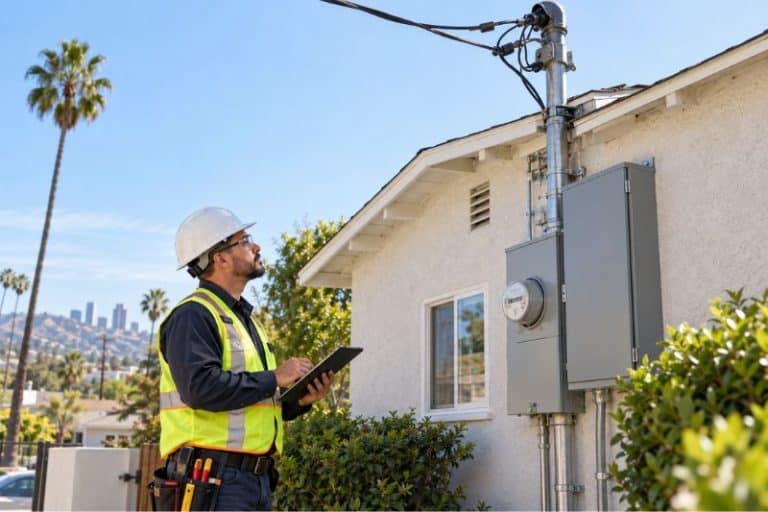
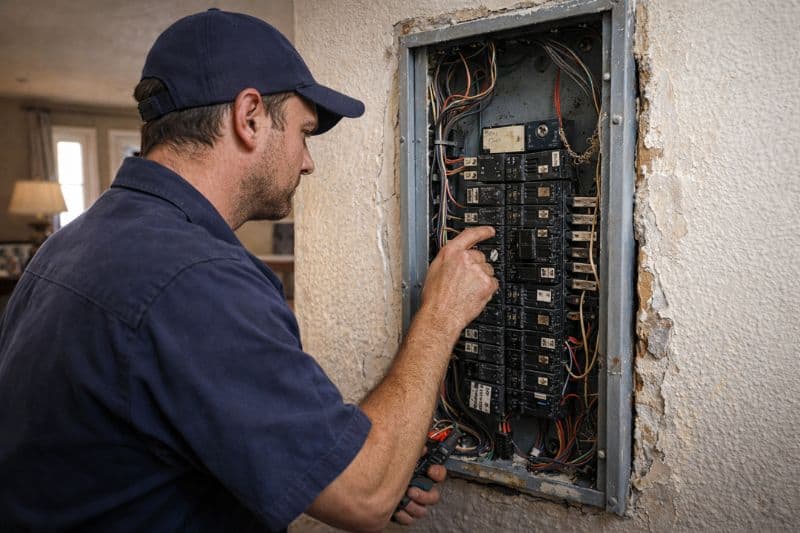
An electrical panel is the control center of your home’s electrical system. Every circuit in the house runs through it. Its job is to safely distribute electricity from the utility company to the lights, outlets, and appliances throughout the home, while also protecting the wiring from dangerous conditions.
Inside the panel are circuit breakers, each designed to shut off power if a circuit draws too much current or if a fault occurs. This protection is critical. Without it, wiring could overheat, insulation could fail, and the risk of electrical fires would increase significantly.
In newer homes, panels are designed to handle higher electrical loads and more circuits. They’re built to support modern lifestyles that include multiple high-demand appliances, electronics, and climate control systems running at the same time.
In older Los Angeles homes, many panels were installed at a time when electrical usage was far lower. Fewer appliances existed, air conditioning was uncommon, and homes relied on far fewer circuits. As demand increased over the years, these panels were often pushed beyond what they were originally designed to support.
When an electrical panel struggles to keep up, it doesn’t always fail dramatically. Instead, it may deliver inconsistent power, trip breakers more frequently, or allow small issues to ripple through the system. Those issues often show up elsewhere in the home, long before anyone suspects the panel itself.
Understanding what the panel does makes it easier to see why so many seemingly unrelated electrical problems are actually connected.
Common Warning Signs an Electrical Panel Is Outdated
Outdated electrical panels rarely fail without warning. Instead, they tend to show signs throughout the home, often in ways that feel disconnected or easy to ignore. When these symptoms are viewed together, they frequently point back to a panel that is no longer keeping up with the demands placed on it.
Breakers That Trip Repeatedly
One of the most common warning signs is a breaker that trips again and again.
Occasional breaker trips can happen, especially when a circuit is overloaded. But when breakers trip frequently, under normal use, or without an obvious cause, it often indicates a deeper issue. In older panels, breakers may wear out, lose sensitivity, or struggle to regulate power consistently.
Some older panels also lack the protective features found in modern systems. As a result, breakers may trip unpredictably, or in some cases, fail to trip when they should. Both scenarios signal that the panel is no longer providing reliable protection.
Repeated breaker trips are often dismissed as an inconvenience, but they’re one of the clearest signs that the panel is under stress.
Flickering or Dimming Lights
Flickering or dimming lights are another symptom homeowners often accept as normal in older houses. In reality, they frequently indicate inconsistent power delivery.
When an electrical panel struggles to distribute power evenly, voltage can fluctuate across circuits. Lights are especially sensitive to these fluctuations, which is why they often flicker when appliances turn on or when demand changes elsewhere in the home.
If lights flicker in multiple rooms, dim when large appliances start, or pulse without a clear pattern, the issue may originate at the panel rather than at individual fixtures or switches.
Dead or Unreliable Outlets
Outlets that stop working, work intermittently, or lose power without warning can also point to panel-related problems.
While dead outlets are often caused by wiring or GFCI issues, recurring outlet failures across different areas of the home can indicate instability at the circuit level. When a panel can’t maintain consistent power across its breakers, outlets downstream may be affected.
If outlets stop working alongside breaker issues or flickering lights, it’s a strong sign that the electrical system should be evaluated as a whole, not just repaired one outlet at a time.
GFCI Outlets That Won’t Stay Reset
GFCI outlets are designed to trip for safety reasons, but when they trip repeatedly without an obvious cause, it can signal deeper electrical issues.
In older homes, outdated panels and wiring can create small imbalances that trigger GFCIs over and over again. Homeowners may replace the outlet, only to find that the new one behaves the same way.
When multiple GFCIs trip frequently, or when they won’t stay reset despite minimal load, it’s often a sign that the electrical system feeding them is unstable.
Why Older Panels Struggle With Modern Electrical Demand
Most electrical panels in older Los Angeles homes were never designed for how electricity is used today.
Decades ago, homes had far fewer appliances, electronics, and high-demand systems. Kitchens used less power. Air conditioning was less common. There were no electric vehicles, home offices, or smart home devices drawing power around the clock.
As demand increased, many homes added circuits or upgraded appliances without replacing the original panel. Over time, these panels were pushed closer and closer to their limits.
When a panel operates at or near capacity, even small increases in demand can cause problems. Breakers trip more often. Voltage becomes inconsistent. Heat builds up inside the panel. These conditions don’t always cause immediate failure, but they increase wear and reduce the panel’s ability to protect the home.
This gap between what the panel was designed to handle and what the home now requires is one of the main reasons outdated panels become a hidden risk in older Los Angeles homes.
When an Outdated Panel Becomes a Safety and Insurance Issue
An outdated electrical panel doesn’t just affect convenience. Over time, it can become a serious safety and insurance concern.
As panels age and operate beyond their original design limits, internal components wear down. Breakers may not trip reliably. Connections can loosen. Heat can build up inside the panel without obvious external signs. These conditions increase the risk of electrical failures, including arcing and fires.
From an insurance perspective, electrical panels are a growing point of scrutiny. Insurance companies have become more proactive about identifying electrical risks before claims occur. Older panels, especially those that struggle with modern demand or show signs of instability, may be flagged during renewals, inspections, or underwriting reviews.
In some cases, homeowners only discover panel issues when they receive a notice from their insurance company requesting documentation, upgrades, or outright replacement as a condition of continued coverage. By that point, timelines are often tight, and options may be limited.
An outdated panel doesn’t need to fail catastrophically to create problems. Its age, design, or inability to support current electrical usage can be enough to trigger safety concerns and insurance requirements.
Why Panel Problems Often Go Undiagnosed
One of the reasons outdated panels are so dangerous is that they often go unnoticed for years.
Unlike plumbing leaks or visible structural damage, electrical panel issues tend to develop gradually. Homes may continue to function despite increasing stress on the system. Breakers trip occasionally. Lights flicker now and then. Outlets act up from time to time. Each issue feels manageable on its own.
Because the panel is usually out of sight, homeowners don’t see the gradual wear happening inside it. There’s rarely a single moment where everything suddenly stops working. Instead, problems appear in small, scattered ways that are easy to dismiss or attribute to an “old house.”
Another factor is familiarity. Homeowners who have lived in the same house for many years may grow accustomed to minor electrical quirks and assume they’re normal. What’s actually happening is that the electrical system is compensating for conditions it was never designed to handle.
Panel problems often remain hidden until a triggering event occurs, such as a renovation, an appliance upgrade, an inspection, or an insurance review. At that point, issues that have been building quietly for years can suddenly demand immediate attention.
When to Have Your Electrical Panel Evaluated
Many homeowners wait until something breaks before thinking about their electrical panel. In older Los Angeles homes, that approach often leads to rushed decisions and higher costs.
There are several situations where having your panel evaluated proactively makes sense. If your home is more than a few decades old and has never had a panel upgrade, an evaluation can help determine whether it’s still appropriate for modern electrical demand. This is especially important if you’ve experienced recurring electrical symptoms like flickering lights, tripping breakers, or outlets that stop working.
Renovations are another key moment. Kitchen remodels, HVAC upgrades, EV charger installations, and home office additions all increase electrical load. Evaluating the panel before these projects helps prevent surprises during inspections or after work is completed.
Insurance renewals and property transactions are also common triggers. Panels are often reviewed during underwriting, inspections, or escrow, and issues discovered late in the process can delay or complicate things. Addressing concerns early gives homeowners more flexibility and control.
If any of these situations apply, a professional evaluation from a licensed electrical panel specialist can help determine whether the system is still performing safely or if an upgrade should be considered.
How Licensed Electricians Evaluate Electrical Panels
Evaluating an electrical panel involves much more than opening the cover and taking a quick look.
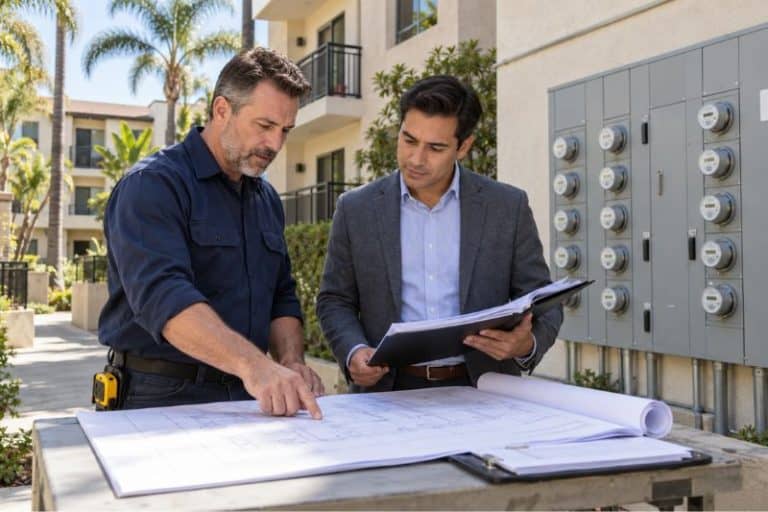
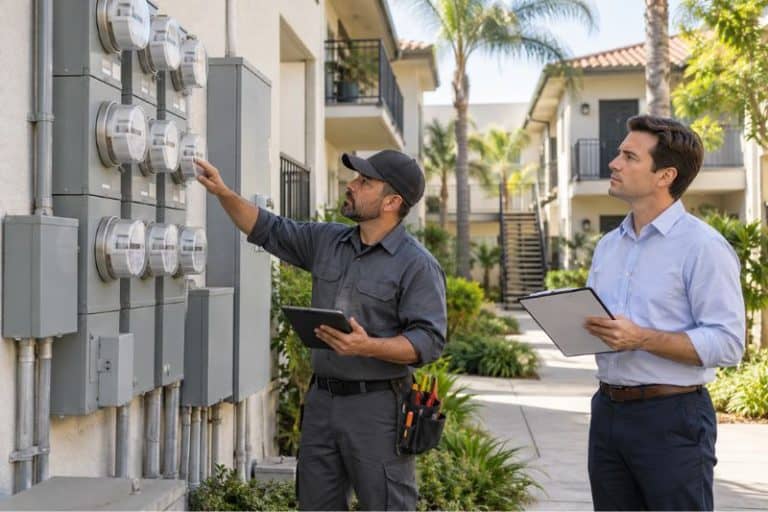
Licensed electricians assess how much electrical load the home is using compared to what the panel was designed to handle. They examine breaker condition, look for signs of overheating or wear, and verify that circuits are properly protected. Grounding and bonding are also reviewed to ensure the system meets current safety standards.
In older homes, electricians pay close attention to signs of past modifications, added circuits, or work that may no longer be code-compliant. These factors can affect both safety and how the panel performs under load.
When panel evaluations reveal broader wiring or circuit concerns, the work often overlaps with professional electrical repairs services, ensuring the entire system functions safely as a whole rather than addressing issues in isolation.
When Panel Problems Turn Into Emergencies
Some panel issues develop slowly. Others escalate quickly.
If you notice burning smells near the panel, buzzing sounds, visible corrosion, or breakers that won’t reset, the situation may already be urgent. Power interruptions affecting multiple areas of the home can also signal that the panel is no longer distributing electricity reliably.
In these cases, fast response matters. Access to emergency electrical repairs can help stabilize the situation and prevent damage while a permanent solution is planned.
Why Panel Issues Are Often Connected to Other Electrical Problems
Outdated panels rarely cause problems in isolation. Because the panel controls every circuit in the home, instability at the panel level often shows up as symptoms elsewhere.
Breakers that trip repeatedly, flickering lights, dead outlets, and GFCI issues are all commonly tied back to panels that are aging or overloaded. Addressing only the symptom without evaluating the panel can lead to repeated repairs and ongoing frustration.
In many cases, homeowners call for help because of one specific issue, only to discover that the panel is the common thread. This is why comprehensive evaluations often include both panel assessment and targeted repairs, such as electrical switches and outlets services in Los Angeles, when outlet-level issues are involved.
An Outdated Electrical Panel Is a Hidden Risk
Electrical panels rarely fail without warning. In most older Los Angeles homes, the signs appear gradually, flickering lights, breakers that trip more often than they should, outlets that stop working, or GFCIs that won’t stay reset. Each issue may seem minor on its own, but together they often point to a panel that is no longer keeping up with the demands placed on it.
Because the electrical panel is out of sight, it’s easy to overlook its condition until a bigger problem forces attention. By then, homeowners may be facing urgent repairs, insurance complications, or unexpected disruptions during renovations or inspections.
The good news is that panel issues are usually very manageable when identified early. A professional evaluation can determine whether your panel is still appropriate for your home, identify potential safety concerns, and help you plan upgrades on your timeline, not during an emergency.
If your home shows any of the warning signs discussed in this article, or if your electrical panel hasn’t been evaluated in many years, it’s worth having it checked by a licensed professional. Contact RG Electric at (323) 521-5131 to schedule a professional electrical panel evaluation. Taking a proactive approach now can help protect your home, your safety, and your peace of mind.