
 Call (323) 5215131
Why Electrical Violations Often Appear After “Simple” Electrical Work
For property managers and apartment owners in Los Angeles, few things are more frustrating than addressing a small electrical issue and ending up with a list of violations. What was supposed to be a “simple” repair turns into permit requirements, inspection failures, added costs, and unexpected delays.
From the outside, it can feel unfair. The work was minor. The system was working. Nothing seemed dangerous. Yet once the electrician leaves and the inspector arrives, violations suddenly appear.
This scenario is extremely common in older Los Angeles buildings, especially multi-unit properties with aging infrastructure. Electrical violations after simple work are rarely about the repair itself. They are usually about what the repair reveals.
Understanding why this happens helps property managers plan smarter, reduce inspection surprises, and avoid unnecessary stress during upgrades.
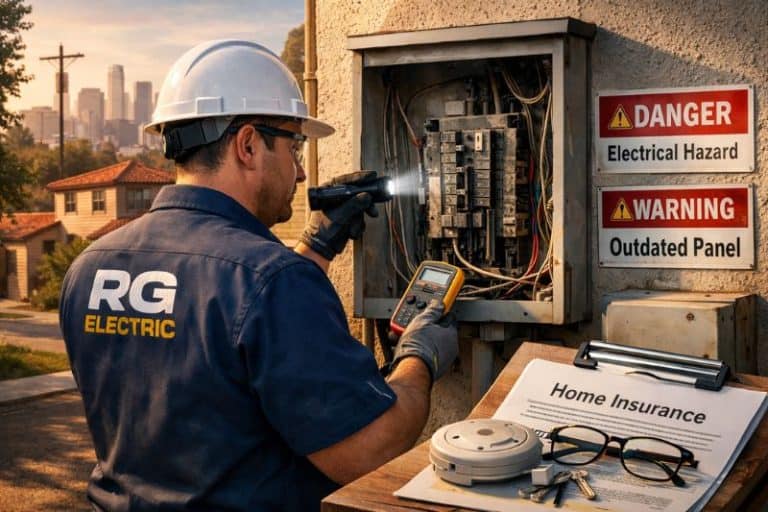
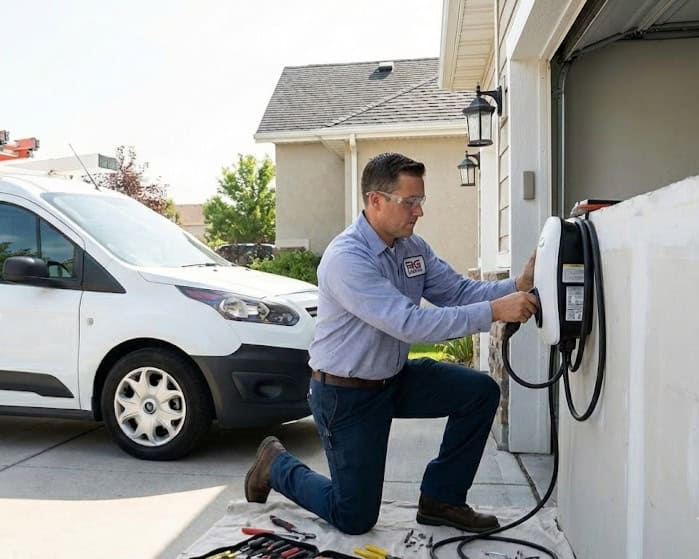
Always consult a licensed electrician like RG Electric before working on electrical systems.
“Simple” Electrical Work Is Rarely Isolated in Older Buildings
One of the biggest misunderstandings is the assumption that small electrical work exists in isolation. In modern buildings with updated systems, that may be true. In older apartment buildings, it almost never is.
Electrical systems are interconnected. A single outlet, breaker, or subpanel relies on upstream components that may be decades old. When even minor work is performed, inspectors are required to ensure that the surrounding system can safely support it.
In Los Angeles, many buildings still rely on infrastructure installed long before current safety standards existed. What appears simple on the surface is often connected to outdated wiring methods, undersized feeders, or panels that no longer meet modern expectations.
This is why small repairs so often open the door to broader inspection scrutiny.
Permits Trigger Visibility, Not New Problems
Another reason violations appear after minor work is permits. Pulling a permit does not create violations, it reveals them.
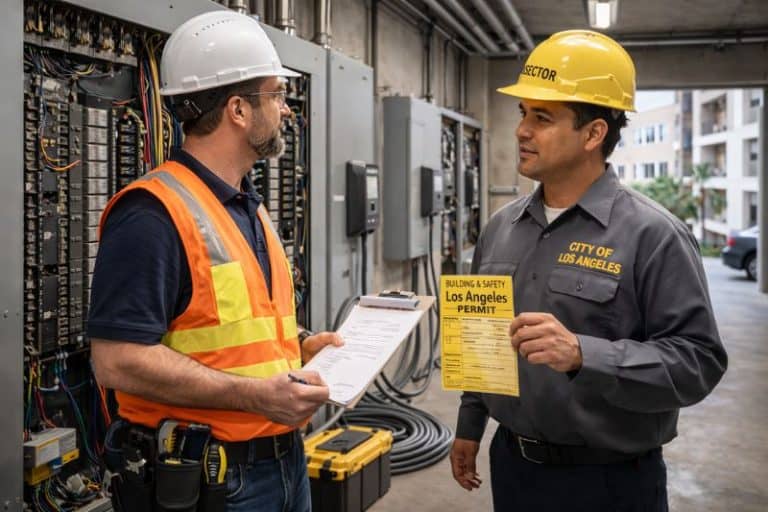
When electrical work is permitted, inspectors gain the authority to evaluate safety conditions related to that work. Their role is not limited to checking whether a switch was replaced correctly. They must determine whether approving the work would leave unsafe conditions in place.
For example, replacing a breaker may prompt an inspector to examine the panel it sits in. Adding a circuit may require evaluating whether the panel has adequate capacity. Swapping an outlet may raise questions about grounding or GFCI protection.
The violations that appear were almost always present before the work began. The permit simply brought them into view.
Inspectors Must Evaluate the System as a Whole
Inspectors are responsible for approving systems, not individual components. This is a key concept that property managers often overlook.
When inspectors encounter new work, they ask broader safety questions:
• Can this system handle the electrical load?
• Is the grounding adequate?
• Are breakers properly installed?
• Are there known fire hazards present?
If the answer to any of these questions is no, inspectors may require corrections even if those issues were not part of the original repair request.
This is especially common during projects involving electrical panel services in Los Angeles, where small changes frequently expose larger safety concerns.
Aging Infrastructure Creates Hidden Code Conflicts
Many Los Angeles apartment buildings were constructed under electrical codes that are no longer considered adequate. Over time, those systems remain in place while safety standards evolve.
When new work is introduced, older components are suddenly evaluated against modern expectations. What once passed inspection may now conflict with current interpretations of safety.
Common examples include:
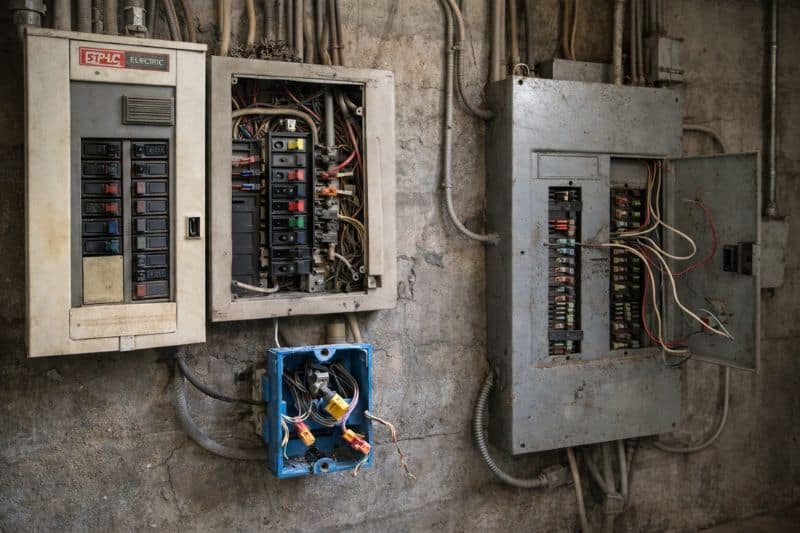
• Panels with outdated breaker designs
• Ungrounded electrical systems
• Overloaded subpanels
• Improperly sized feeders
• Double-tapped breakers
These conditions often go unnoticed until a “simple” job forces inspectors to look more closely.
Handyman and Unlicensed Work Is a Frequent Trigger
Another major reason electrical violations appear after small repairs is older unlicensed or handyman-installed wiring that already exists in the building. These installations often appear to work on the surface, which is why they go unnoticed for years. Power flows, lights turn on, and tenants rarely complain. However, functionality does not equal compliance.
Inspectors routinely discover that this type of work fails to meet code in subtle but serious ways. Outlets may be the wrong type for their location, especially near kitchens, bathrooms, or outdoor areas where GFCI protection is required. Connections may be loosely made, improperly spliced, or installed without junction boxes. In many older buildings, grounding is missing altogether, creating hidden shock and fire risks that only become apparent when circuits are tested or panels are opened.
These issues are rarely discovered in isolation. When a licensed electrician is called in to correct even a minor problem, such as replacing an outlet or fixing a tripping breaker, nearby wiring is often exposed in the process. Once inspectors have visibility into that area, they may identify older unprofessional work that does not meet current safety standards.
At that point, inspectors cannot ignore what they see. Even if the problematic wiring was installed years earlier and even if it was not part of the original scope of work, those conditions usually must be corrected before approval is granted. From the inspector’s perspective, allowing unsafe installations to remain in service creates unnecessary risk.
This is why violations are so often blamed on the most recent repair. In reality, the repair did not create the problem. It simply brought long-existing issues into view.
Electrical Load Has Changed, Even If the Building Hasn’t
Many buildings still rely on electrical systems designed for a much lower load than they now carry. Tenants today use more electronics, appliances, and charging devices than buildings were originally built to support.
When new electrical work is performed, inspectors may reassess whether the system can safely handle modern demand. If it cannot, violations may be issued.
This reassessment is especially common in multi-unit buildings where multiple units draw power from shared infrastructure. What worked decades ago may now operate too close to its limits.
Insurance Pressure Raises the Bar
Insurance companies play an increasingly important role in electrical compliance. In many cases, insurance-driven inspections are stricter than city inspections alone.
When insurance is involved, inspectors may look beyond minimum code requirements and focus on risk reduction. Panels, wiring, and safety features that once passed may now be flagged as unacceptable risks.
Property managers often encounter this during policy renewals or coverage reviews. A minor electrical project becomes the catalyst for deeper evaluation.
This overlap between insurance and inspections is a growing reason property owners rely on commercial electrical services in Los Angeles with experience navigating both sides.
“We Didn’t Touch That” Doesn’t Always Matter
One of the most frustrating moments for property managers is being cited for conditions they didn’t authorize or modify. Unfortunately, from an inspection standpoint, responsibility is tied to safety, not intent.
If an inspector identifies unsafe conditions connected to new work, they may require corrections regardless of who originally installed them. The goal is to ensure the system is safe before approval is granted.
This is why inspections can sometimes expand beyond the immediate scope of work. It is not about assigning blame, but about preventing unsafe conditions from remaining in service.
Small Repairs Can Expose Long-Ignored Risks
Many electrical issues persist quietly for years because nothing triggers a closer look. A simple repair changes that.
Once panels are opened, circuits are traced, or permits are pulled, inspectors gain visibility into conditions that were previously hidden. These moments often reveal long-ignored risks that now must be addressed.
From a safety perspective, this is not a bad outcome. It prevents future failures, fires, and liability. From a planning perspective, it underscores the importance of anticipating what inspections may uncover.
Why Proactive Evaluations Reduce Surprise Violations
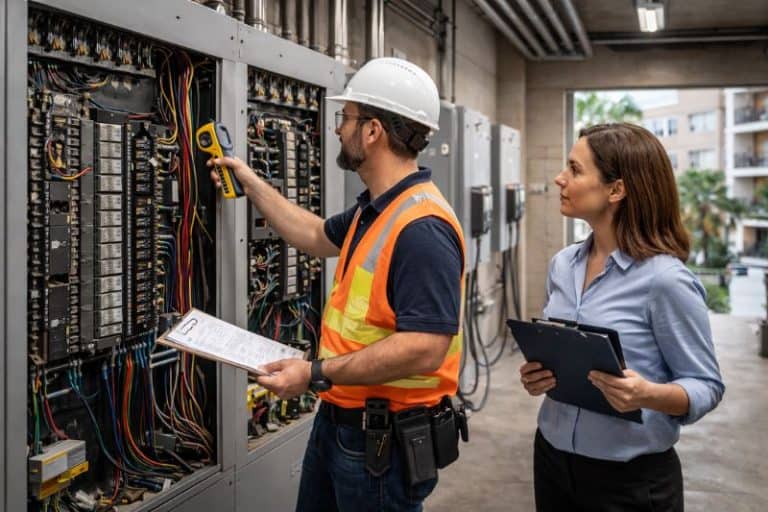
Property managers who proactively assess their electrical systems experience far fewer surprises. Identifying outdated panels, overloaded circuits, or missing safety features ahead of time allows upgrades to be planned strategically.
Instead of reacting to violations during inspections, property owners can schedule improvements on their own timeline, coordinate permits, and reduce tenant disruption.
For issues that surface unexpectedly, emergency electrical repairs may be necessary. However, those situations are far less common when systems are evaluated proactively.
Conclusion: Simple Work Often Reveals Complex Systems
Electrical violations that appear after “simple” work are rarely caused by the repair itself. They are usually the result of aging infrastructure, evolving safety standards, and increased scrutiny triggered by permits or inspections.
For Los Angeles property managers and apartment owners, understanding this reality helps set realistic expectations. Small repairs in older buildings often reveal larger system-level issues that must be addressed to ensure safety and compliance.
Always consult a licensed electrician like RG Electric before working on electrical systems.
If you are planning electrical work or have questions about potential inspection issues, Contact RG Electric at (323) 521-5131.