
 Call (323) 5215131
Why Insurance Companies Treat Multi-Unit Buildings Differently Than Single-Family Homes
Property managers and apartment owners in Los Angeles are often frustrated when they discover that insurance requirements for multi-unit buildings are far more demanding than those for single-family homes. Two properties on the same street can receive very different treatment from insurers, even if they are similar in age and condition.
This difference is not arbitrary. Insurance companies evaluate multi-unit buildings through a fundamentally different risk lens. The potential consequences of electrical failure, fire, or system disruption increase dramatically when multiple households share the same infrastructure.
For owners of older apartment buildings, this reality often becomes clear during renewals, inspections, or claims reviews. Electrical systems that might be tolerated in a single-family home can trigger conditions, exclusions, or upgrade requirements in a multi-unit setting.
Understanding why insurers treat these properties differently helps property managers anticipate requirements, plan upgrades strategically, and avoid surprises that threaten coverage.
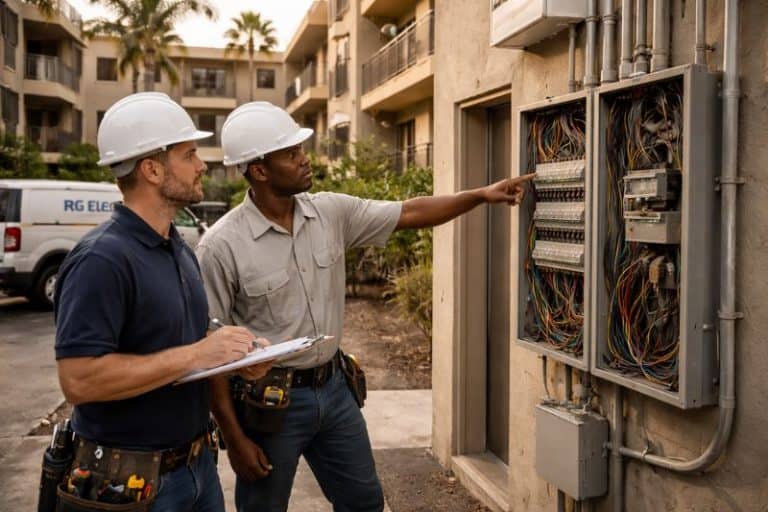
Always consult a licensed electrician like RG Electric before working on electrical systems.
Why Shared Electrical Systems Increase Insurance Risk
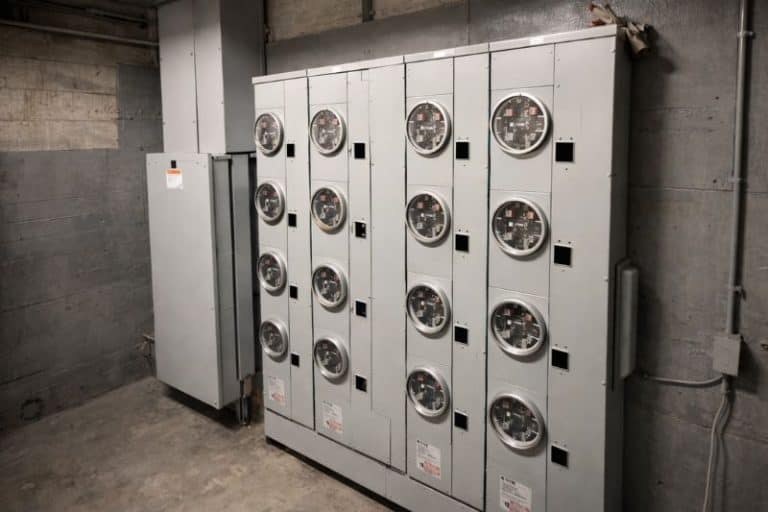
One of the primary reasons insurers treat multi-unit buildings differently is the presence of shared electrical systems. In an apartment building, multiple units often rely on common services, feeders, panels, and distribution paths. A single failure can affect dozens of tenants at once.
From an insurance standpoint, this amplifies risk. An electrical issue that might inconvenience one household in a single-family home can displace multiple tenants, damage shared areas, and escalate into a larger claim in a multi-unit building. The financial exposure is significantly higher.
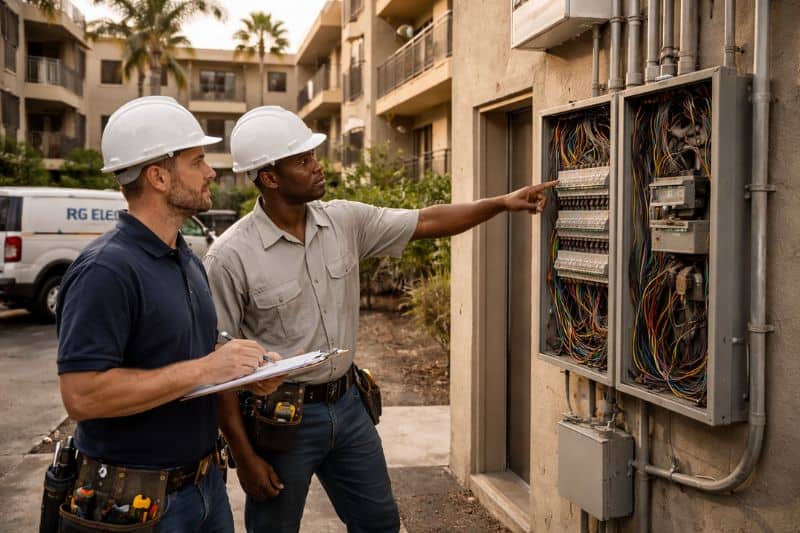
This is why insurers closely evaluate how electrical systems are distributed throughout the property. They want to understand whether panels, subpanels, and feeders were designed to support the building’s actual load and whether upgrades were performed with the entire system in mind.
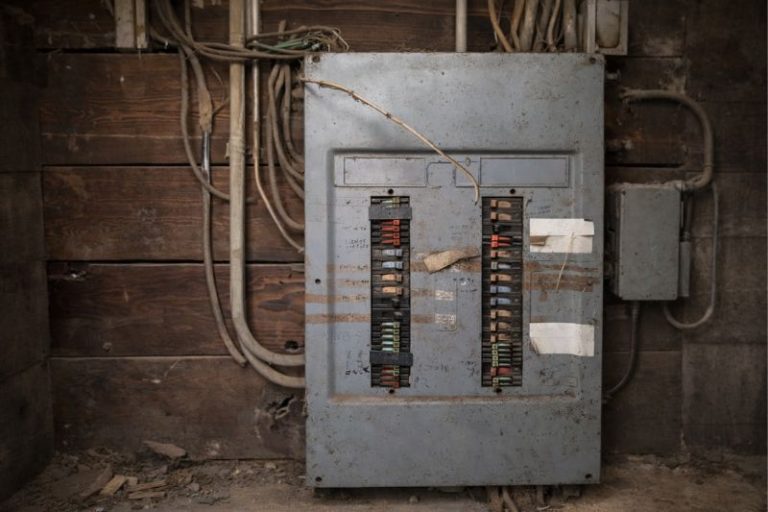
In older Los Angeles buildings, shared systems were often designed for far lower electrical demand than what exists today. Over time, additional circuits, appliances, and tenant needs increase strain on infrastructure. Insurers take this into account when assessing risk, especially when documentation is incomplete or upgrades were performed in phases.
These concerns are a common reason insurers request evaluations or improvements involving
commercial electrical services in Los Angeles,
where system-wide safety and documentation are addressed together rather than unit by unit.
Why Occupant Density Changes How Insurers View Electrical Safety
Insurance companies place significant weight on occupant density when evaluating multi-unit buildings. The more people who rely on a single electrical system, the higher the potential exposure when something goes wrong.
In a single-family home, an electrical failure typically affects one household. In an apartment building, the same failure can impact dozens of residents at once. Power outages, electrical fires, or system shutdowns can displace tenants, interrupt essential services, and trigger costly claims. From an insurer’s perspective, the stakes are fundamentally higher.
Electrical systems in multi-unit buildings must safely support simultaneous usage across multiple units. When tenants cook, charge devices, use HVAC systems, or add personal electronics, demand increases collectively. Even if each unit’s usage seems reasonable on its own, the combined load can strain shared infrastructure.
This is why insurers often scrutinize whether wiring, feeders, and branch circuits were designed or upgraded to handle real-world usage. In buildings where electrical work was performed incrementally, insurers may request evaluations through
wiring services in Los Angeles
to confirm that systems can safely support current demand without overheating or failure.
Higher occupant density also increases liability exposure. Any electrical issue that results in injury or displacement affects more people, making insurers far more cautious when underwriting multi-unit properties.
How Fire Spread and Liability Factor Into Multi-Unit Insurance Decisions
Fire risk is one of the primary reasons insurers treat apartment buildings differently than single-family homes. In multi-unit properties, electrical fires rarely remain isolated to one space. Shared walls, ceilings, and utility chases allow fire and smoke to spread quickly between units.
Insurance inspectors evaluate whether electrical systems reduce or amplify this risk. Improper wiring, overloaded circuits, or undocumented modifications can increase the likelihood of ignition. Once a fire starts, the potential for widespread damage is far greater in a multi-unit structure.
From a liability standpoint, insurers also consider how quickly tenants can be alerted and protected. Electrical systems support life-safety devices such as smoke detectors, hallway lighting, and emergency power. When these systems are outdated or poorly maintained, insurers view the property as higher risk.
This is why inspections may include requirements related to
smoke detectors services in Los Angeles
and lighting in common areas. Insurers want confirmation that electrical systems support early detection and safe evacuation.
In multi-unit buildings, the consequences of electrical fire extend beyond property damage. Tenant injury, displacement, and legal exposure significantly increase claim severity, which is why insurers apply stricter standards.
Why Insurers Are Stricter About Documentation in Apartment Buildings
Insurance companies apply much higher documentation standards to multi-unit buildings than to single-family homes because the risk profile is fundamentally different. When multiple households rely on shared electrical infrastructure, insurers need clear evidence that systems were installed, modified, and maintained correctly over time.
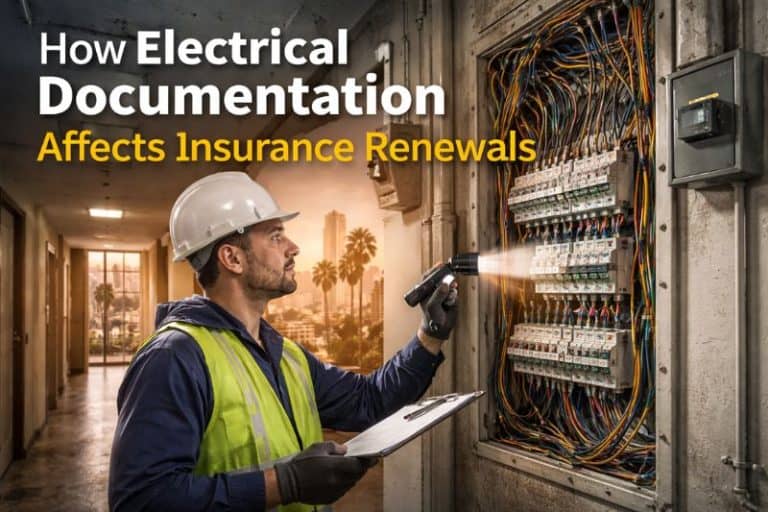
In apartment buildings, undocumented electrical work creates uncertainty that insurers are unwilling to absorb. Missing permits, incomplete inspection records, or unclear contractor history make it difficult for underwriters to verify whether systems meet safety expectations. Even if the electrical system appears to be functioning, lack of documentation can cause insurers to assume unknown risk.
This scrutiny often increases during renewals. Insurers may request records related to past upgrades, repairs, or additions that were never questioned before. In multi-unit properties, documentation gaps are more likely to trigger follow-up inspections or required corrections because the potential impact of failure affects many tenants at once.
For this reason, property managers often work with providers of
commercial electrical services in Los Angeles
who understand that documentation, permitting, and inspections are as important as the physical work itself. Clear records help insurers feel confident that shared systems were handled responsibly.
How System-Wide Upgrades Are Treated Differently Than Unit-Level Fixes
Insurance companies also distinguish between system-wide electrical upgrades and isolated, unit-level fixes. In single-family homes, insurers are often willing to accept targeted repairs. In multi-unit buildings, piecemeal solutions can raise concerns.
When electrical issues are addressed one unit at a time, insurers may worry that underlying system limitations are being ignored. Replacing outlets, breakers, or fixtures in individual units does not necessarily address whether the shared infrastructure can safely support the building’s overall electrical demand.
This concern is especially common in older Los Angeles apartment buildings, where upgrades were performed incrementally over many years. Insurers often prefer system-wide evaluations that look at panels, feeders, wiring, and load calculations together rather than isolated fixes.
As a result, insurance inspections may lead to recommendations involving
electrical panel services in Los Angeles
or broader assessments of distribution systems. From the insurer’s perspective, coordinated upgrades reduce the likelihood of cascading failures that affect multiple units simultaneously.
Understanding this distinction helps property managers plan electrical work more strategically and avoid repeated insurance scrutiny caused by fragmented repairs.
Why Insurers Are More Cautious About Emergency Electrical Issues in Multi-Unit Buildings
Emergency electrical issues are treated very differently by insurance companies when they occur in multi-unit buildings. In a single-family home, an emergency repair may be viewed as an isolated incident. In an apartment building, the same issue raises concerns about broader system instability.
When insurers see repeated emergency calls, power outages, or urgent electrical repairs in a multi-unit property, they often interpret those events as warning signs. Emergencies suggest that systems may be operating beyond their limits or that underlying problems have not been fully addressed. From an insurance perspective, this increases the likelihood of future claims.
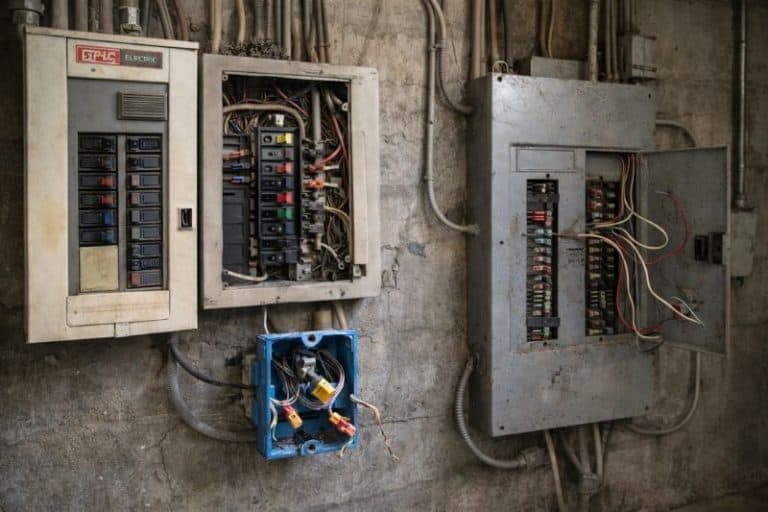
In older Los Angeles apartment buildings, emergency situations often stem from long-standing issues such as overloaded circuits, aging wiring, or undocumented modifications. When these problems surface under pressure, insurers may require deeper evaluation before renewing coverage.
This is why emergency situations frequently lead insurers to request follow-up work involving
emergency electrical repairs in Los Angeles
combined with broader assessments of system health. Insurers want confirmation that emergencies are being resolved at the root, not just temporarily stabilized.
For property managers, reducing emergency incidents through proactive maintenance and planning is one of the most effective ways to protect insurability.
Conclusion: Multi-Unit Buildings Face a Different Insurance Reality
Insurance companies treat multi-unit buildings differently than single-family homes because the risks are fundamentally different. Shared electrical systems, higher occupant density, increased fire spread potential, and greater liability exposure all raise the stakes.
For Los Angeles property managers and apartment owners, understanding this reality is essential. Electrical systems that might be tolerated in a single-family home often require stricter oversight, documentation, and system-wide planning in a multi-unit setting.
Working proactively to address electrical safety, documentation, and long-term system capacity helps reduce insurance friction and protects coverage. Partnering with licensed professionals who understand multi-unit insurance expectations makes that process far more manageable.
Always consult a licensed electrician like RG Electric before working on electrical systems.
If you need help evaluating your building’s electrical systems or preparing for an insurance inspection,
request a free estimate
or contact RG Electric at (323) 521-5131.