
 Call (323) 5215131
How Electrical Documentation Impacts Insurance Renewals in Los Angeles
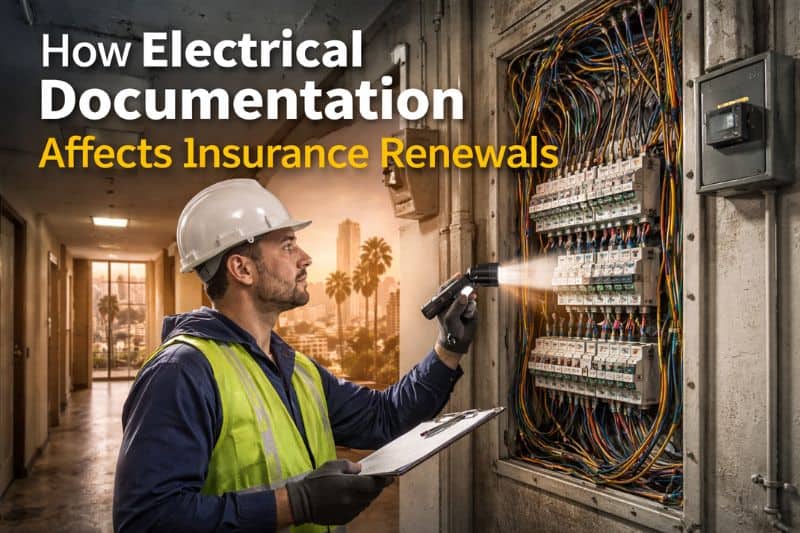
Insurance renewals in Los Angeles have become increasingly difficult for property managers and apartment owners, especially those responsible for older multi-unit buildings. Policies that once renewed without issue are now delayed, restricted, or canceled altogether. Electrical systems are frequently at the center of these problems.
What many property owners do not realize is that insurance challenges are often caused not by obvious electrical defects, but by missing or incomplete documentation. Even electrical systems that appear to function properly can become insurance liabilities if permits, inspection records, or contractor information cannot be produced when requested.
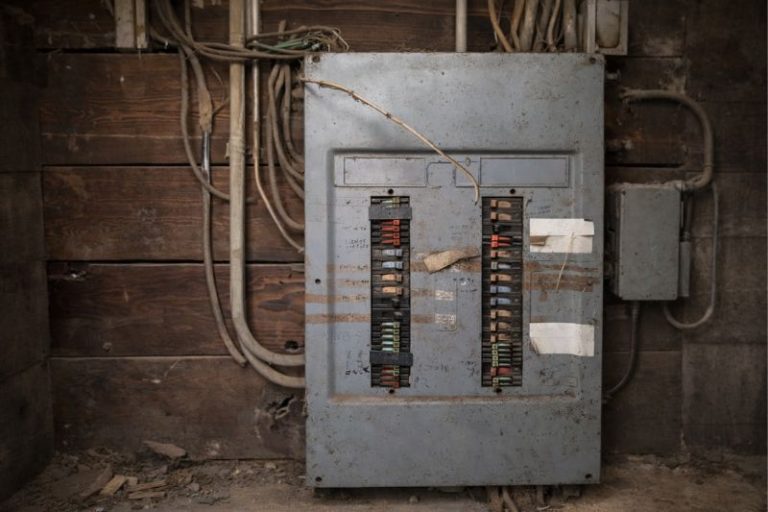
In older apartment buildings, electrical work is rarely completed all at once. Panels are replaced, circuits are added, and repairs are made over decades, often under different ownership or management. Over time, paperwork is lost, records become fragmented, and documentation gaps form. When insurance companies review a property today, those gaps matter more than ever.
Understanding how electrical documentation affects insurance renewals is now a critical part of managing risk in Los Angeles. Without it, property managers can lose negotiating power, face forced timelines, or be required to make upgrades simply to keep coverage in place.
Always consult a licensed electrician like RG Electric before working on electrical systems.
Why Insurance Companies Are Scrutinizing Electrical Documentation More Closely
Insurance carriers operating in Los Angeles are under increasing pressure from fire risk, aging infrastructure, and high-value claims tied to older buildings. As a result, insurers are no longer relying on assumptions or past renewal history. They are demanding verification.
Electrical systems represent one of the highest-risk components in older apartment buildings. Fires caused by outdated panels, improper wiring, or undocumented modifications are costly and disruptive, often leading to tenant displacement and long-term liability. Because insurers cannot physically inspect every electrical system in detail, they rely heavily on documentation to evaluate risk.
Permits, inspection approvals, and contractor credentials serve as evidence that electrical work was performed correctly and reviewed by the appropriate authorities. When that evidence is missing, insurers often treat the system as unverified, even if it appears to be operating normally.
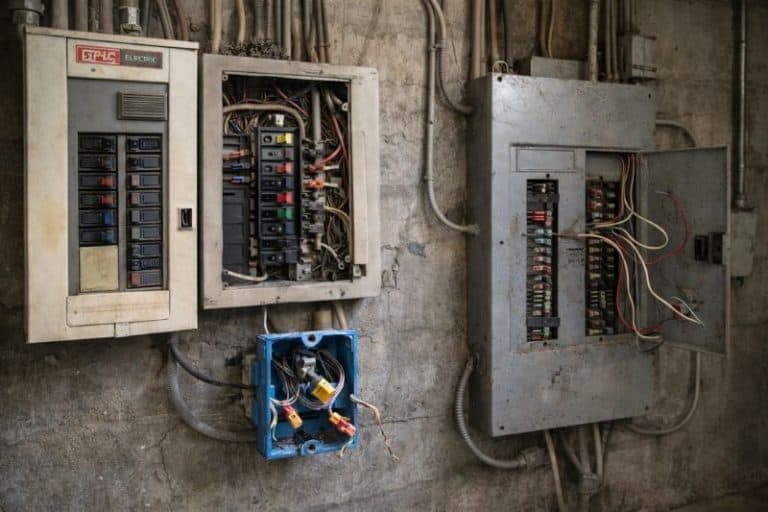
This scrutiny frequently begins with panels and service equipment. Insurers often want confirmation that past upgrades were permitted and inspected properly, which is why documentation tied to professional electrical panel services in Los Angeles has become so important during renewals.
How Contractor Credentials Influence Insurance Confidence
When insurance companies review a property, they are not only evaluating what electrical work was performed. They are also evaluating who performed it. This distinction carries significant weight, especially in Los Angeles, where unlicensed and undocumented electrical work is common in older buildings.
Documentation showing that work was completed by a licensed, bonded, and insured electrical contractor provides insurers with a higher level of confidence. It tells them the work was likely permitted, inspected, and completed according to applicable safety standards. When contractor credentials are missing or unclear, insurers often assume the opposite.
This issue frequently appears in buildings where multiple contractors have worked on different parts of the system over time. A panel upgrade may have been handled professionally, while wiring modifications, circuit changes, or outlet replacements were completed informally. From an insurance perspective, that inconsistency creates uncertainty across the entire electrical system.
That is why property managers often rely on established providers of
commercial electrical services in Los Angeles
where contractor licensing, permits, and documentation are part of the standard workflow. Clear records tied to professional work reduce follow-up questions and help renewals move forward with fewer delays.
When insurers trust the contractor history, they are far less likely to demand retroactive inspections or corrective work.
Why Insurance Renewals Trigger Retroactive Electrical Scrutiny
Insurance renewals are no longer passive administrative events. In today’s market, they function as active reassessments of building risk, and electrical systems are frequently placed under renewed scrutiny.
Property managers are often surprised when insurers request documentation for work completed many years earlier. Wiring changes, breaker replacements, outlet upgrades, or added circuits that were never questioned before can suddenly become focal points during renewal reviews.
As insurers tighten their risk models, they reassess existing properties using modern safety expectations. Electrical components that are known to fail, overload, or create fire hazards are examined more closely, particularly when documentation is incomplete.
When records cannot be produced, insurers may require new evaluations involving
wiring services in Los Angeles
or
circuit breakers services in Los Angeles,
even if no failures have occurred. From the insurer’s standpoint, unverified systems represent unknown risk.
The key takeaway for property managers is that insurance renewals are now forward-looking evaluations. Past approvals do not guarantee future acceptance when documentation gaps exist.
How Undocumented Electrical Repairs Create Insurance Exposure
Not all insurance problems come from major electrical upgrades. In many cases, the issue begins with small electrical repairs that were completed quickly and without documentation. A tripping breaker, a failed outlet, or a partial power outage may have been resolved years ago, but if there is no record of that work, insurers often treat it as unknown risk.
During insurance reviews, undocumented electrical repairs raise questions insurers cannot answer. They cannot determine whether the repair was code-compliant, whether safety requirements were met, or whether the work was ever inspected. Even when no current issues are present, insurers may request that those areas be evaluated again.
This situation is common in older apartment buildings where repairs were made reactively to address tenant complaints. Outlets may have been replaced, switches swapped, lighting modified, or circuits adjusted without permits or inspection records. What once seemed like a routine fix can resurface as a renewal obstacle years later.
That is why professional
electrical repairs services in Los Angeles
emphasize documentation even for repair work. Clear records protect property owners long after the immediate issue has been resolved.
Why Documentation Gaps Push Owners Into Emergency Timelines
One of the most damaging consequences of poor electrical documentation is the loss of control over timing. When insurers raise concerns late in the renewal process, property managers may have only weeks, or even days, to respond.
Instead of planning upgrades strategically, owners are forced into reactive decisions. Inspections must be scheduled immediately. Contractors must be sourced under pressure. Work may need to be completed while tenants are still occupying the building. Costs rise quickly as timelines shrink.
In many cases, insurers issue conditional renewals that allow coverage to continue only if specific electrical issues are addressed within a strict deadline. When documentation is missing, these situations often escalate into
emergency electrical repairs in Los Angeles
simply to satisfy insurance requirements.
Proactive documentation helps property managers avoid these scenarios. When permits, inspections, and contractor records are readily available, insurance questions can often be resolved without triggering urgent corrective work.
How Proactive Documentation Protects Long-Term Insurability
Property managers who take a proactive approach to electrical documentation experience far fewer insurance disruptions. Organized records allow owners to respond confidently to underwriting questions and demonstrate that electrical systems have been properly maintained.
Proactive documentation also helps identify gaps early. If records are missing for certain upgrades, those issues can be addressed on a planned timeline rather than under insurance pressure. This reduces costs, limits tenant disruption, and preserves leverage during renewals.
Over time, well-documented electrical systems signal responsible ownership. In an insurance market that is increasingly selective, that signal matters.
Conclusion: Electrical Documentation Can Determine Whether Coverage Continues
In Los Angeles, electrical documentation has become just as important as the electrical work itself, especially for older apartment buildings and multi-unit properties. Missing permits, incomplete records, or unclear contractor history can turn manageable systems into insurance liabilities.
Understanding how insurers evaluate electrical risk allows property managers to stay ahead of renewal challenges. By prioritizing documentation alongside electrical upgrades and repairs, owners protect coverage, avoid forced timelines, and reduce long-term stress.
Always consult a licensed electrician like RG Electric before working on electrical systems.
If you have questions about electrical documentation, inspections, or insurance-related upgrades,
request a free estimate
or contact RG Electric at (323) 521-5131.